MPP
What is it?
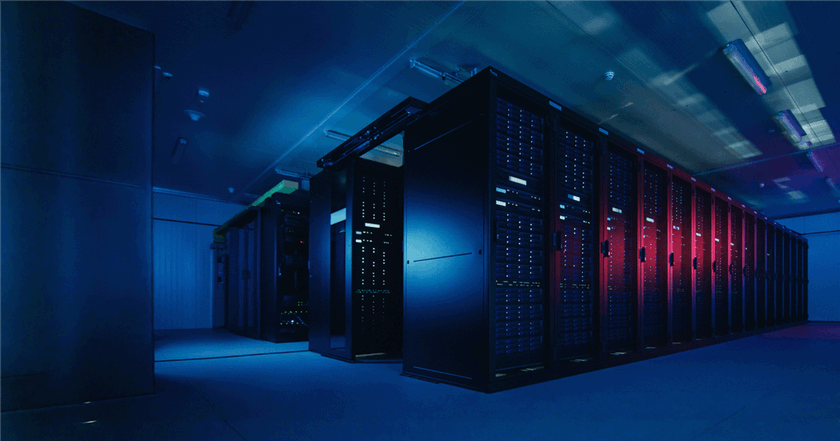
The concept of massively parallel processing (MPP) is also called distributed memory parallel (DMP). It is a system made up of many computing nodes, each with its own local memories and microkernel operating systems. The nodes are collectively operated by a main operating system that is linked with all the microkernels.
MPP can be seen as an alternative to SMP (shared-memory multiprocessing) because each node is only loosely connected and controls its own computing resources, such as memory. This allows the MPP architecture to handle massive amounts of data and provide much faster results when working with large datasets. Grid computing and computing clusters usually utilize some form of the MPP architecture.
MPP can be seen as an alternative to SMP (shared-memory multiprocessing) because each node is only loosely connected and controls its own computing resources, such as memory. This allows the MPP architecture to handle massive amounts of data and provide much faster results when working with large datasets. Grid computing and computing clusters usually utilize some form of the MPP architecture.
Why do you need it?
The advantages of MPP include higher system scalability and better performance with workloads that require different processors to work on different parts of a program simultaneously. Disadvantages include difficulty in creating parallel computing programs and much greater complexity in setting up the system, since a lot of planning has to go into how a common database is to be partitioned and how work should be assigned between all the separate processors. A messaging interface, sometimes called an "interconnect", may be used to facilitate communication between the processors to coordinate their efforts.
At the end of the day, whether you choose MPP, SMP, or some other architecture, it all depends on the tasks you envision your servers doing most of the time. MPP typically offers better scalability and higher availability due to its number of independent nodes, while SMP may have lower administrative costs and be better suited for parallel computing, thanks to the closely coordinated processers that share most of the system's computing resources.
At the end of the day, whether you choose MPP, SMP, or some other architecture, it all depends on the tasks you envision your servers doing most of the time. MPP typically offers better scalability and higher availability due to its number of independent nodes, while SMP may have lower administrative costs and be better suited for parallel computing, thanks to the closely coordinated processers that share most of the system's computing resources.
How is GIGABYTE helpful?
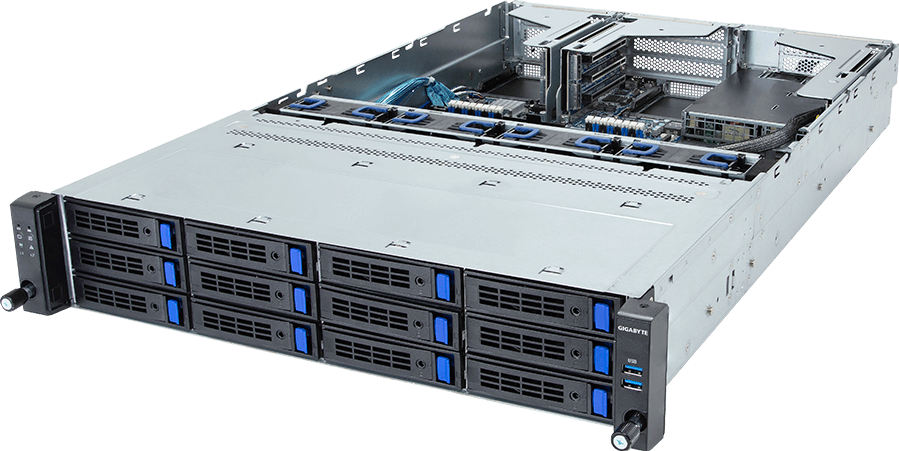
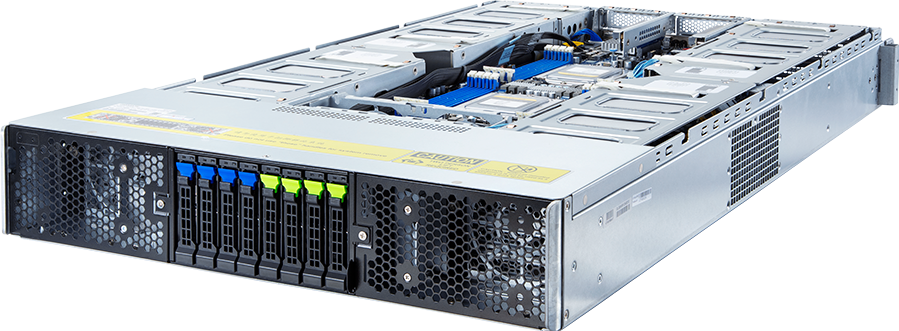
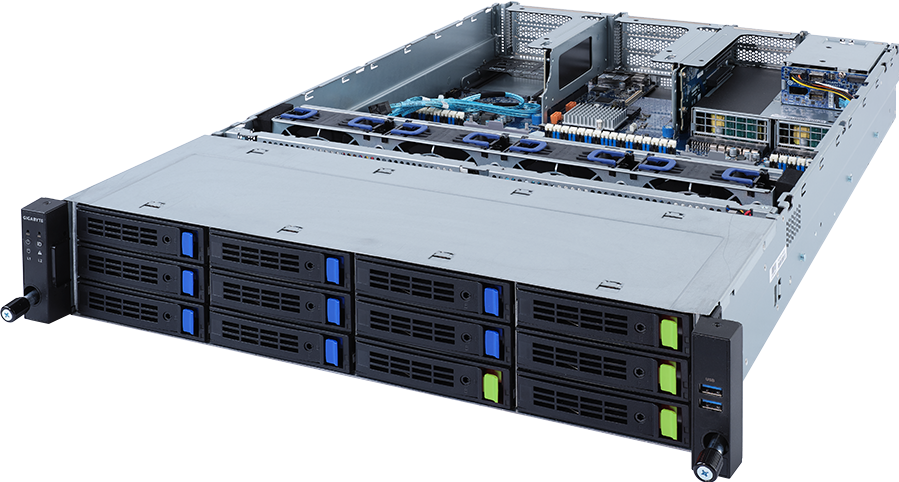
For customers who adopt the MPP architecture, GIGABYTE offers a wide array of server solutions, including:
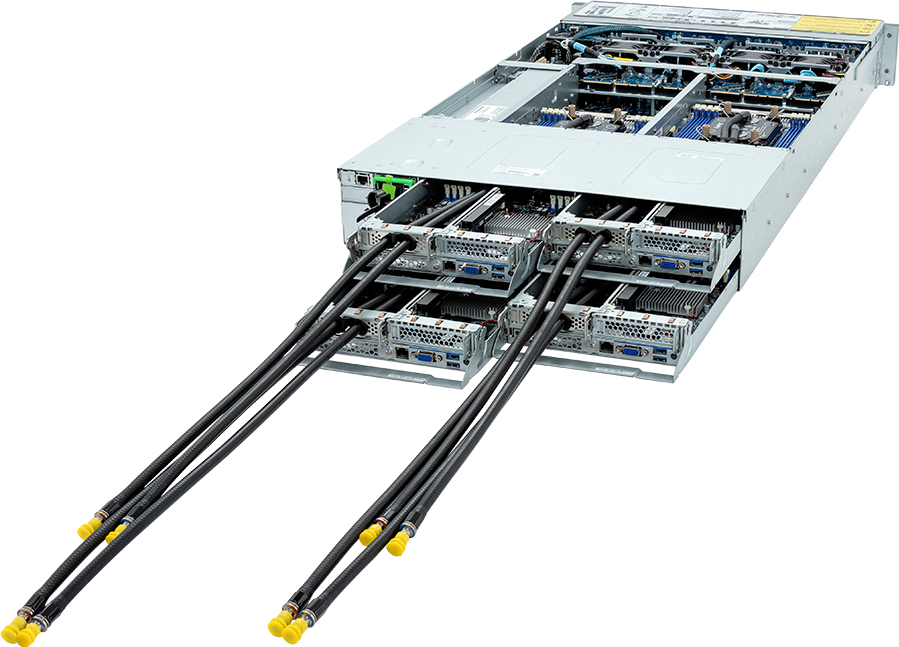
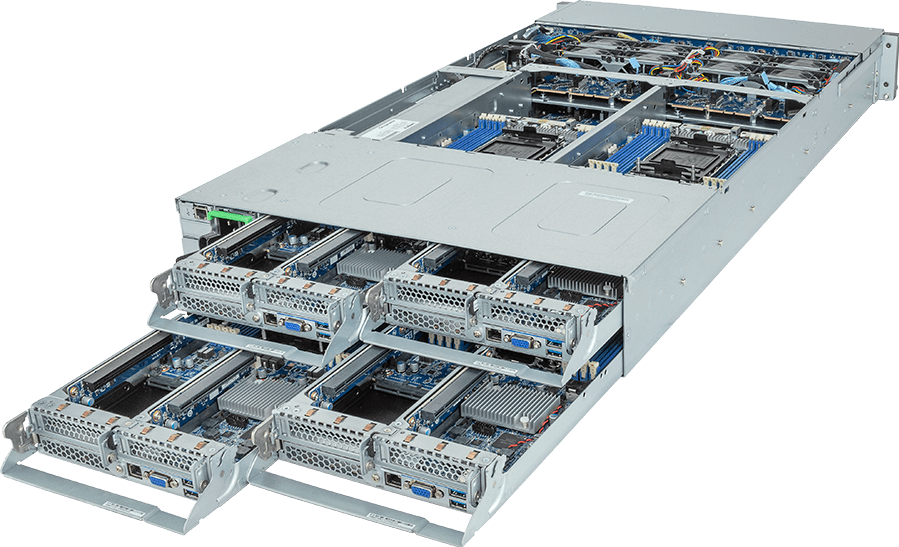
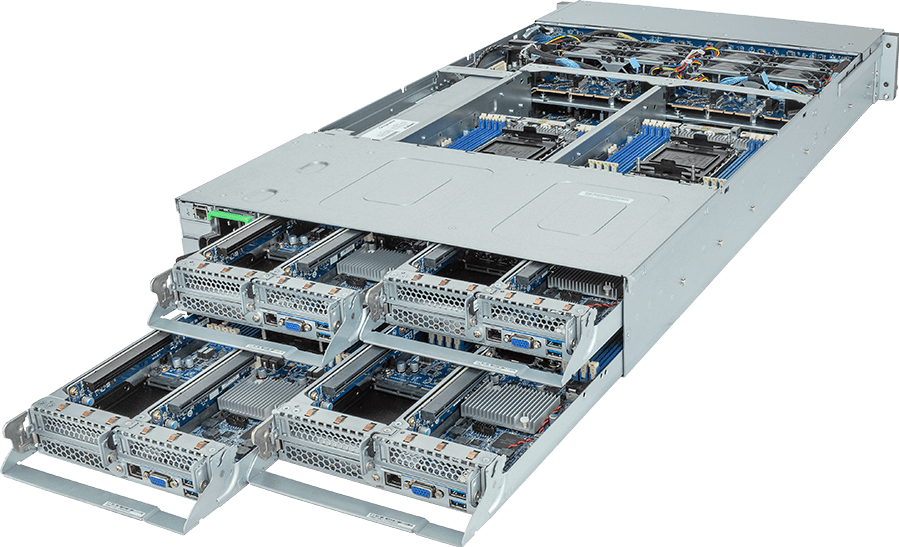
- H-Series High Density Servers: Offers high-density design for dual-processor architectures that can be used as a cluster unit for high-density MPPs.
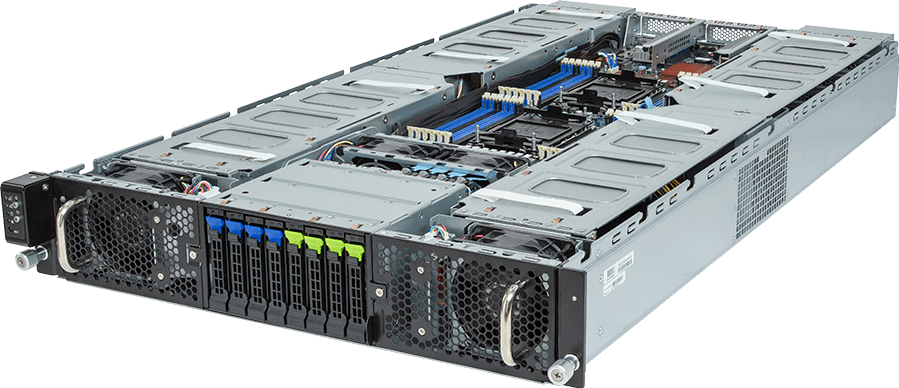
- G-Series GPU Servers: Provides industry-leading GPU accelerator density and supports AMD and NVIDIA GPGPU products, as well as Xilinx, Intel, FPGA, or Qualcomm ASIC expansion cards.
- S-Series Storage Servers: Supports 16-, 36- and 60-bay high-capacity HDD storage models for enterprise use, applicable to software-defined storage and MPP datasets.
- H-Series High Density Servers: Offers high-density design for dual-processor architectures that can be used as a cluster unit for high-density MPPs.
- G-Series GPU Servers: Provides industry-leading GPU accelerator density and supports AMD and NVIDIA GPGPU products, as well as Xilinx, Intel, FPGA, or Qualcomm ASIC expansion cards.
- S-Series Storage Servers: Supports 16-, 36- and 60-bay high-capacity HDD storage models for enterprise use, applicable to software-defined storage and MPP datasets.