1. Home
  2. Glossary
  3. NEBS (Network Equipment-Building System)

NEBS (Network Equipment-Building System)

What is it?

NEBS (Network Equipment-Building System) is a common set of safety design guidelines applied to telecommunications equipment used around the world. Developed by Bell Labs in the seventies to set standards for telecom equipment so vendors can design products compatible with universal safety and quality requirements, NEBS has since become an internationally recognized way of measuring if electronics designed for telecom network use can maintain reliable operations in harsh and demanding environments.

Why do you need it?

Judging by where you plan on using your telecom equipment, you might need higher levels of NEBS certification. The levels range from NEBS Level 1, the lowest threshold of equipment safety, to NEBS Level 3, which is the highest industry standard and has strict specifications for thermal margin testing, vibration resistance, airflow patterns, etc.

How is GIGABYTE helpful?

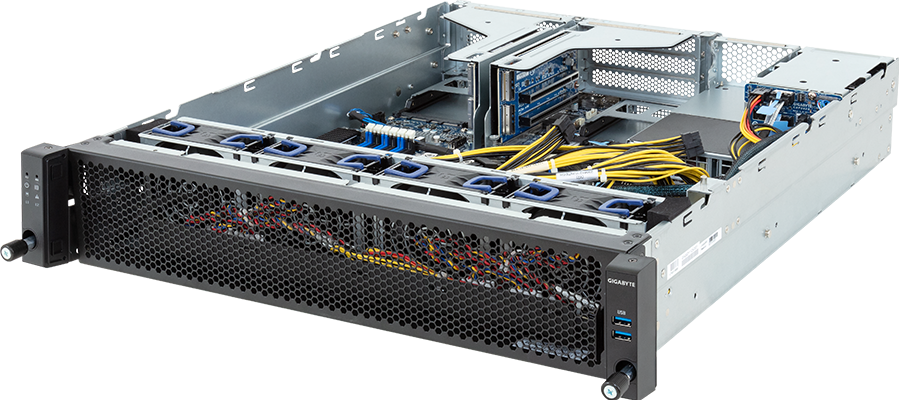
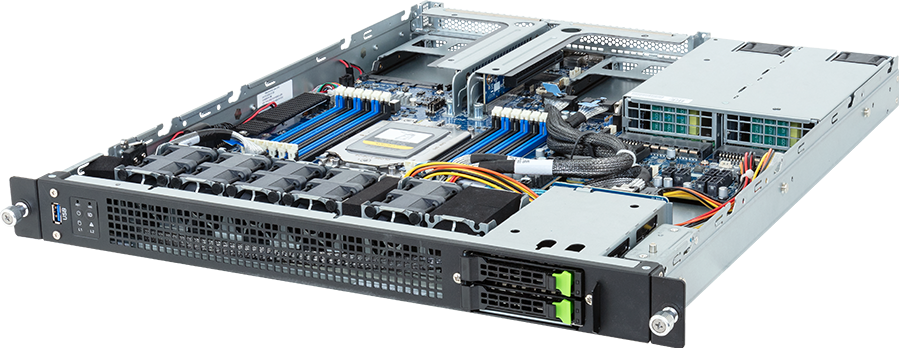
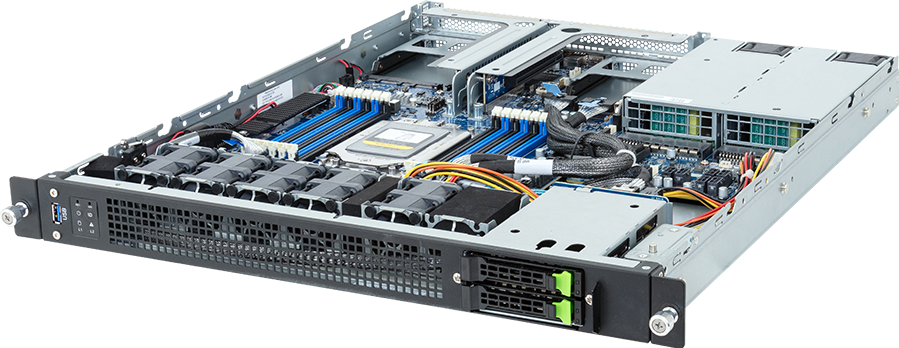
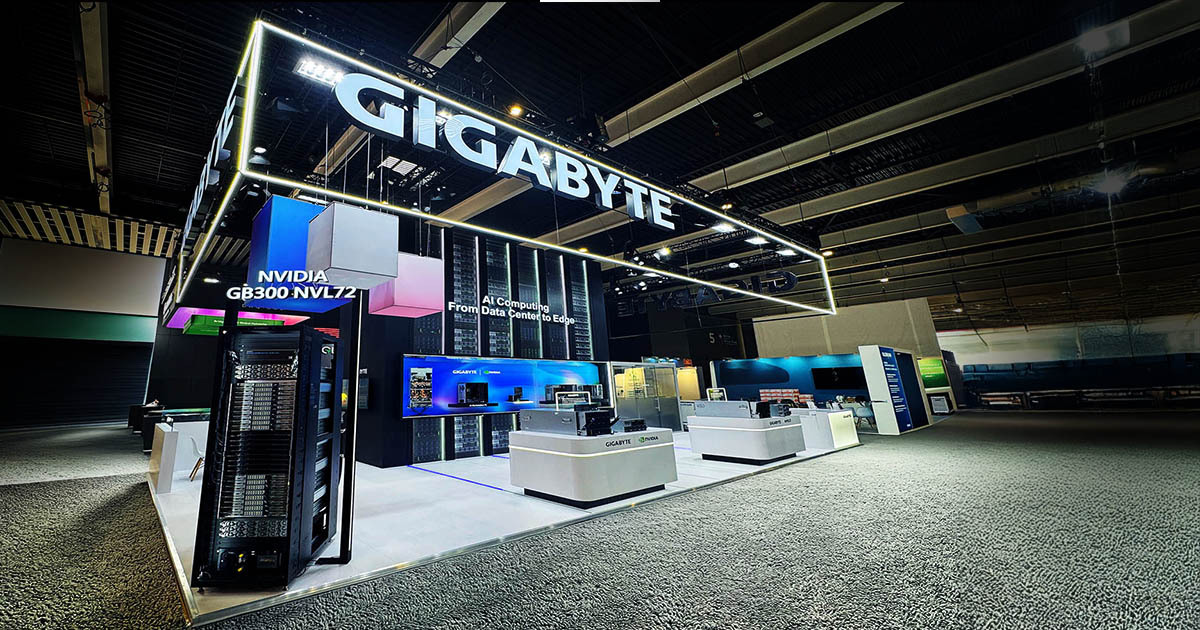
At MWC Barcelona 2021, GIGABYTE showcases the E-Series Edge Server E251-U71, a SKU variant of the E251-U70. The E251-U71 has been internally tested to be NEBS Level 3 design-ready, which means it can operate normally in a range of harsh and rugged conditions, including low temperatures, high temperatures, high humidity, high altitude; it can also withstand vibrations, and dusts. All this was achieved without compromising on the structural integrity and processing power of a top-quality GIGABYTE server. This means GIGABYTE edge computing solutions can be deployed in more demanding environments, which may be necessary to truly implement a complete 5G network infrastructure.

Recommended Reading

Looking Towards 5G and the Transformation of Our Technology Ecosystem
Article

Looking Towards 5G and the Transformation of Our Technology Ecosystem

When everything in the world becomes connected to the internet, human society will become a huge, highly intelligent organism. The “brain” of this organism will be the cloud, and its limbs will be a variety of end applications such as smart phones, AI-enabled robots, self-driving cars and smart factories.
What is Edge Computing? Definition and Cases Explained
Article

What is Edge Computing? Definition and Cases Explained

With the proliferation of 5G communications technology, edge computing—the practice of performing computing tasks as physically or logically close as possible to where data is created and commands are executed—has begun to permeate the modern world of smart technology. In this article, we explore the concept of edge computing in detail, and explain how it offers many excellent advantages, especially in terms of latency reduction for applications that rely on real-time decision-making.
5G MEC Networking Platform

5G MEC Networking Platform

A MEC (Multi-access Edge Computing / Mobile Edge Computing) platform based on GIGABYTE's server hardware provides an effective way to support a new generation of 5G services such as eMBB for high bandwidth content streaming, URLLC for autonomous driving or mMTC for a smart city IoT network
5G MEC Networking Platform

5G MEC Networking Platform

Quick Access and Easy Deployment Solution for 5G Infrastructure
Edge Computing

Edge Computing

Flexible, Easy-to-Maintain Server Series Optimized for 5G Edge
Ushering in a New Era of Smart Healthcare Applications with 5G-based MEC
Article

Ushering in a New Era of Smart Healthcare Applications with 5G-based MEC

A new epoch of smart medicine has been made possible with the proliferation of 5G. Healthcare has advanced from the treatment of symptoms to the early detection of disease and the tracking of each individual’s condition. GIGABYTE Technology offers the highly scalable, high-density E-Series Edge Servers for edge computing; by working with Alpha Networks Inc., GIGABYTE has brought the benefits of multi-access edge computing (MEC) to wearable devices and other Internet of Things (IoT) applications that will help to realize the vision of smart medicine. The compilation of big data, coupled with the low-latency characteristics of MEC, allow for faster data integration and analysis that will help healthcare providers offer customized, predictive care for their patients.
6 Key Knowledge to Build the Power of Computing for Your Business
Article

6 Key Knowledge to Build the Power of Computing for Your Business

Digitalization is the first strategy in technology for today's enterprises to stay ahead of others. To develop core business and conduct daily operations, enterprises need IT systems and computing power to store, process, manage and analyze the large amounts of data generated and collected every day. This guide will take you from understanding the relevant definitions of data centers to the functions of servers that are often deployed in modern popular technologies such as high performance computing (HPC), 5G, and artificial intelligence (AI).
GIGABYTE Powers Telecom AI Transformation with End-to-End Infrastructure at MWC 2026

GIGABYTE Powers Telecom AI Transformation with End-to-End Infrastructure at MWC 2026

Inviting the AI-powered 5G Era, GIGABYTE will Present Next-Gen Servers for AI/HPC, Telecom, and Green Computing Solutions at MWC 2024

Inviting the AI-powered 5G Era, GIGABYTE will Present Next-Gen Servers for AI/HPC, Telecom, and Green Computing Solutions at MWC 2024