1. Home
  2. Glossary
  3. OpenStack

OpenStack

What is it?

OpenStack is an open-source software platform for building and managing a private or public cloud, which was launched jointly by NASA and Rackspace Hosting in July 2010. The platform consists of a set of interrelated components that allow the user to deploy virtual machines and other instances on diverse, multi-vendor hardware pools of processing, storage and networking resources in a data center. Additional tools provide orchestration, fault management and service management to ensure stability and high reliability of service.

Why do you need it?

OpenStack's set of components (such as Nova for computing, Cinder or Swift for storage, Neutron for networking) are designed to be deployed on bare metal hardware and set up to offer an Infrastructure as a Service (IaaS), which acts as the base of cloud computing platform. Different applications can then be run on top of this platform, which can be offered to users remotely as part of the nature of cloud computing.

One of the main strengths of OpenStack is that it is open source software – anyone can access the source code and make any changes or modifications they need. Therefore, it is ideal to be used as a base for building different types of customized cloud computing applications and services.

Once these modifications and customizations have been made, they can be shared back out to the community at large, and developers all over the world are continuously working in tandem to develop the strongest, most robust, and most secure product that they can.

How is GIGABYTE helpful?

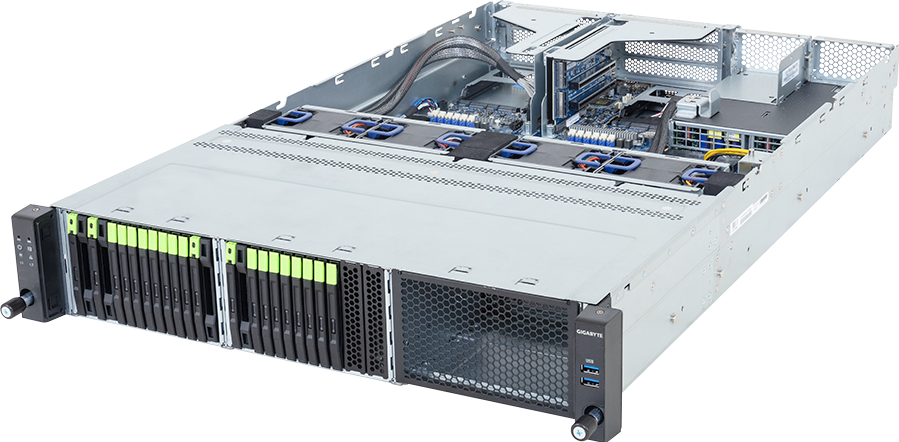
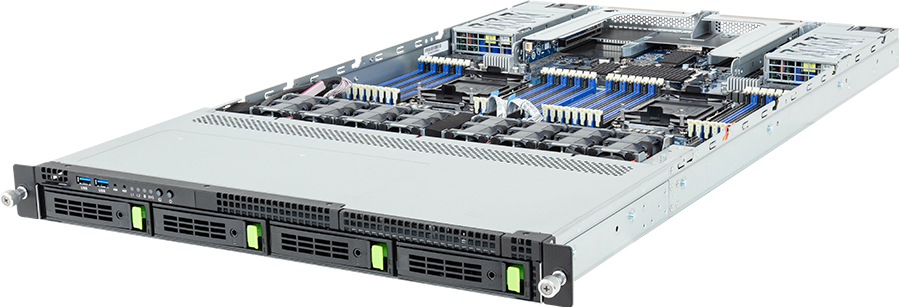
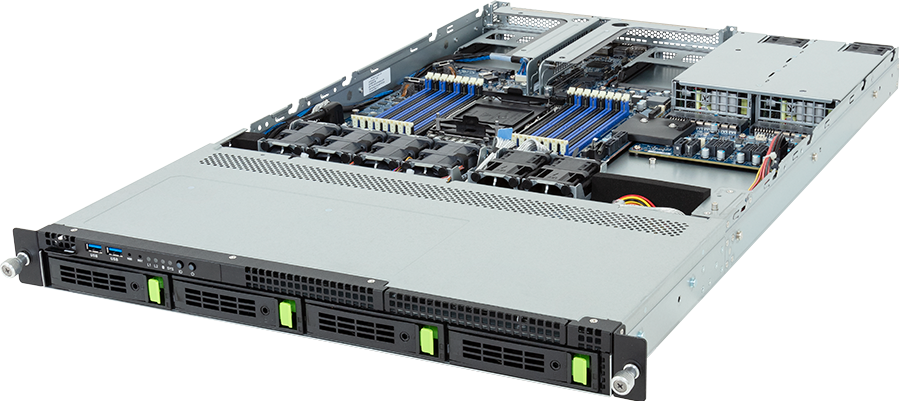
GIGABYTE has collaborated with software partner InfinitiesSoft to offer Cloud Fusion, a hybrid cloud platform for virtualized compute, storage and GPU compute services. Cloud Fusion is deployed on a private cloud environment built with a customized distribution of OpenStack, and provides a management interface for resource provisioning and utilization, not only for the user's on-premises private cloud but also links with public cloud services (such as AWS, Azure, Google Cloud or Alicloud) when extra resources or different geographical locations for application deployment are required.
Recommended Reading

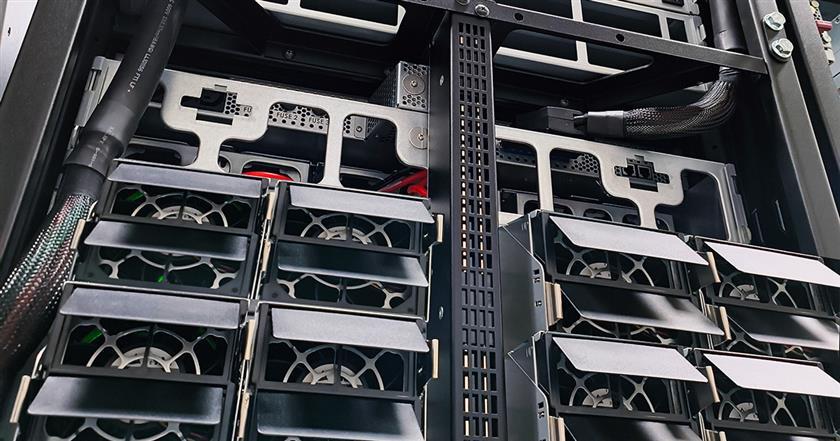
Max GPU Solution – GIGABYTE G-series Servers

Max GPU Solution – GIGABYTE G-series Servers

G-series Servers: Using a GIGABYTE server, the solutions for vision and AI applications can be found using synthetic data. For server products, solutions, and ...
How to Build Your Data Center with GIGABYTE? A Free Downloadable Tech Guide
Article

How to Build Your Data Center with GIGABYTE? A Free Downloadable Tech Guide

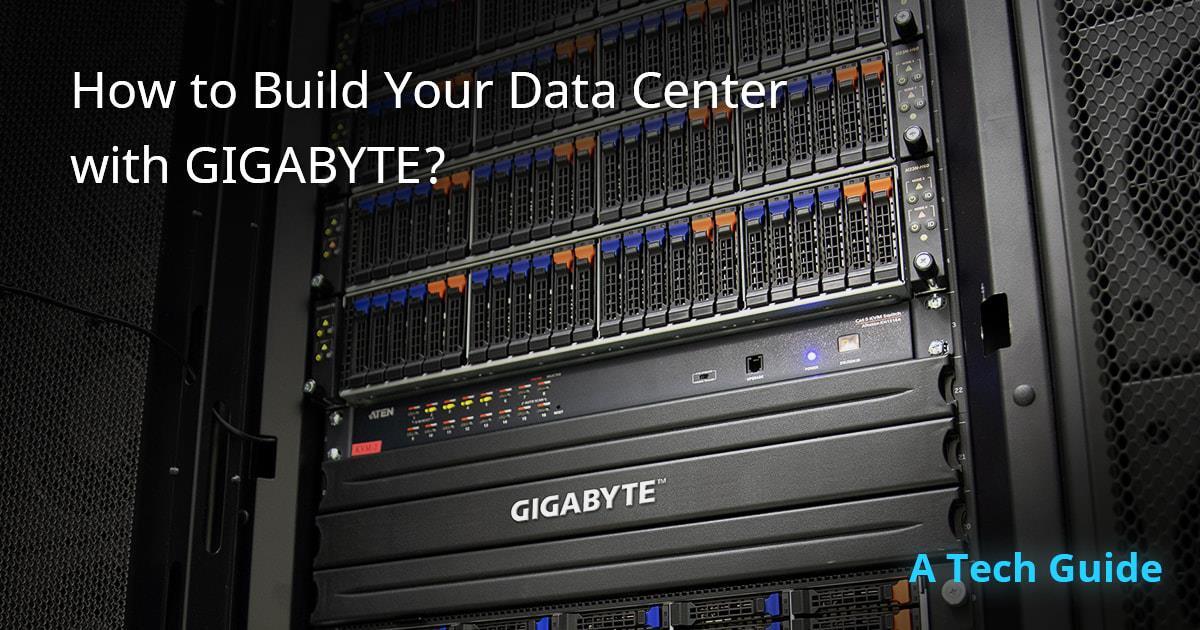
GIGABYTE is pleased to publish our first long-form “Tech Guide”: an in-depth, multipart document shedding light on important tech trends or applications, and presenting possible solutions to help you benefit from these innovations. In this Tech Guide, we delve into the making of “Data Centers”—what they are, who they are for, what to keep in mind when building them, and how you may build your own with products and consultation from GIGABYTE.
Cloud Storage
Article

Cloud Storage

New Generation Cloud Storage Architecture
What is Private Cloud, and is it Right for You?
Article

What is Private Cloud, and is it Right for You?

In the era of cloud computing, just about everyone has heard of the terms “private cloud” and “public cloud”. Chances are, you are using one or both of them in your everyday life—but how much do you really know about them? If you had the chance, could you build a private cloud for yourself or your organization? GIGABYTE Technology, an industry leader in server solutions used by global cloud service providers, is pleased to present our latest Tech Guide. We will examine the difference between private and public clouds, introduce the private cloud’s advantages and limitations, and then introduce GIGABYTE products that may help you build and operate a private cloud of your own.
5G MEC Networking Platform

5G MEC Networking Platform

A MEC (Multi-access Edge Computing / Mobile Edge Computing) platform based on GIGABYTE's server hardware provides an effective way to support a new generation of 5G services such as eMBB for high bandwidth content streaming, URLLC for autonomous driving or mMTC for a smart city IoT network
Seize New Business Opportunities with Practical Applications of 5G
Article

Seize New Business Opportunities with Practical Applications of 5G

Recently, 5G communications technology has been frequently talked about in relation to various major industries – it even seems that in order to keep up with technology trends, everything should be connected with 5G! When discussing 5G however, key features such as high bandwidth, low latency and high connection density must definitely be mentioned. As the coming of 5G will revolutionize our future lives, let’s understand more clearly about 5G directly from some real-world examples! And what key role does GIGABYTE play in this next generation communications technology?
Storage Systems are Extremely Important for Business Continuity
Article

Storage Systems are Extremely Important for Business Continuity

In an era of increasing technological advancement, an important issue for enterprises and the key to maintaining business continuity is how to prevent important data from being accidentally lost due to human error, deliberately deleted or even stolen.
OCP ORv3 Solution

OCP ORv3 Solution

The alternative of power-efficient server solutions.
AMD EPYC™ 9005 Series Solutions

AMD EPYC™ 9005 Series Solutions

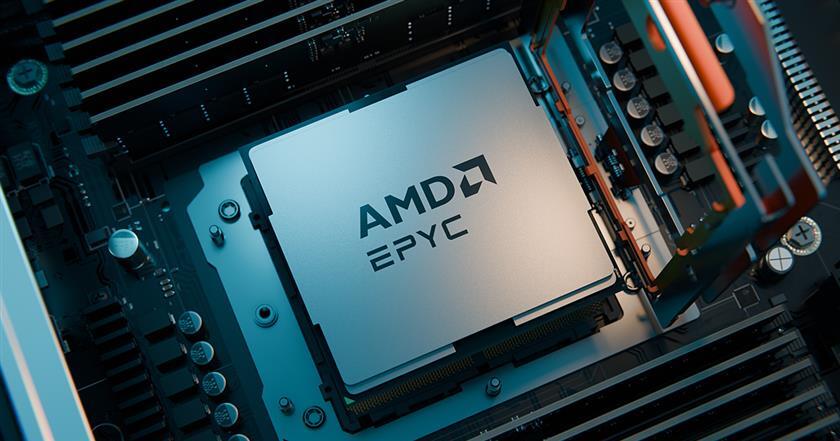
5th Generation AMD EPYC is the pinnacle of the AMD SP5 platform.
GIGABYTE Introduces New Servers for Cloud Native Deployments on Arm Architecture with AmpereOne™ Family of Processors

GIGABYTE Introduces New Servers for Cloud Native Deployments on Arm Architecture with AmpereOne™ Family of Processors

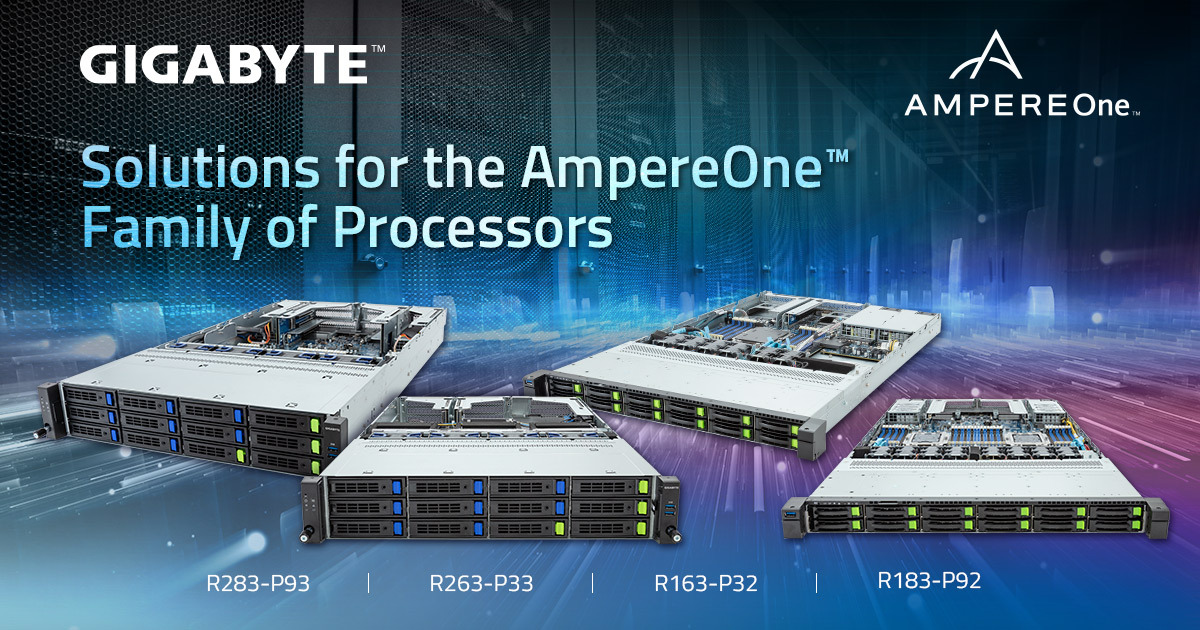
Consistent, scalable, and secure platform with up to 192 cores