Physical AI
What Is Physical AI?
Physical AI refers to artificial intelligence systems that can perceive real-world environments, reason about them, and take physical action. Unlike AI that mainly operates in digital environments, Physical AI combines AI models with cameras, sensors, control systems, and actuators to interact directly with the physical world.
These systems can interpret real-time sensor data and adjust their behavior as conditions change. Industrial robots and robotic arms, autonomous vehicles, autonomous mobile robots (AMRs), drones, and smart factory equipment are common examples.
Why Is Physical AI Important?
Traditional automation follows predefined rules and works best in controlled environments. When conditions change, systems may need reprogramming or human intervention. Physical AI enables machines to use sensor data and AI models to make decisions and act more autonomously.
Advances in generative AI, multimodal models, computer vision, simulation, and edge AI are accelerating adoption. For applications that require immediate response, more computing is also moving closer to the device. IDC estimates that the global Physical AI and robotics market will exceed $40 billion by 2029.
What Are the Applications of Physical AI?
・Smart Manufacturing and Industrial Robotics
Robotic arms and industrial robots can identify components, locate objects, and adjust grasping, assembly, or inspection actions as conditions change.
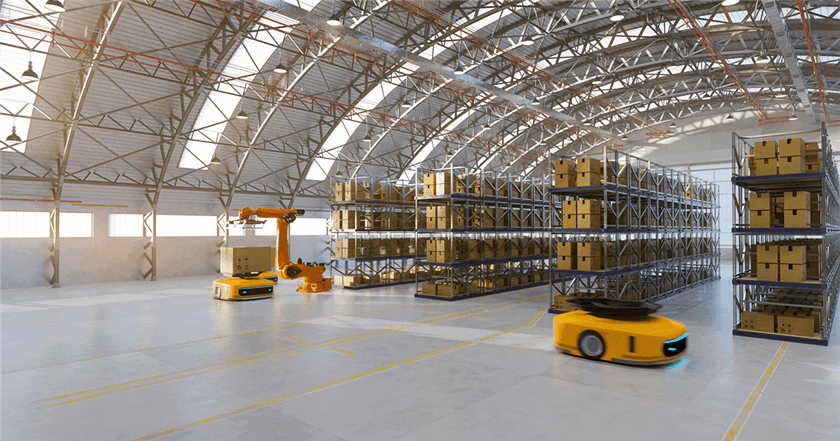
・Warehousing and Logistics
Autonomous mobile robots (AMRs) can detect people and obstacles, plan routes, and coordinate with robotic arms or other equipment for material handling and picking.
・Autonomous Vehicles and Systems
Autonomous vehicles and drones combine cameras, radar, lidar, and AI to understand their surroundings and perform real-time navigation and control.
How Does Physical AI Work?
Physical AI can be understood through three stages: Perception, Reasoning, and Action.
・Perception
・Perception
Cameras, radar, lidar, microphones, and tactile sensors capture information from the physical world, while computer vision and multimodal AI models identify objects and environmental conditions.
・Reasoning
AI combines sensor data, model knowledge, and task objectives to determine the next action, such as selecting a grasping point or recalculating a route.
・Action
Motors, robotic arms, vehicle control systems, or other actuators execute the decision. New sensor data then feeds back into the system, forming a continuous perception-reasoning-action loop.
Because developing Physical AI directly in the real world can be costly and constrained, digital twin, physics-based simulation, and synthetic data are widely used. Models can be trained and validated virtually before deployment, using a sim-to-real workflow to accelerate development and reduce real-world validation needs.
How Can GIGABYTE Support Physical AI?
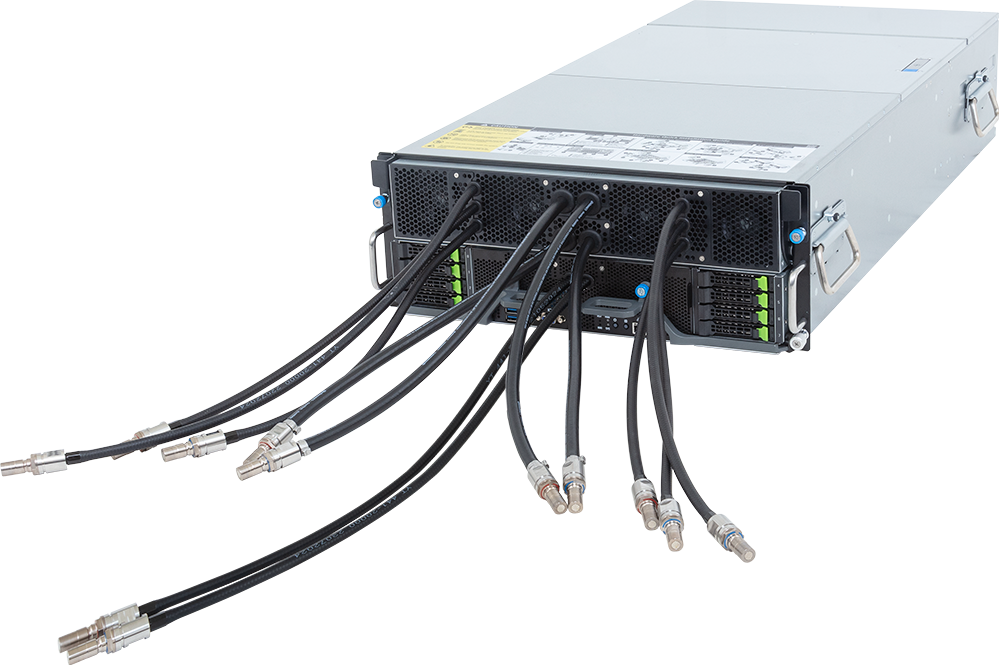
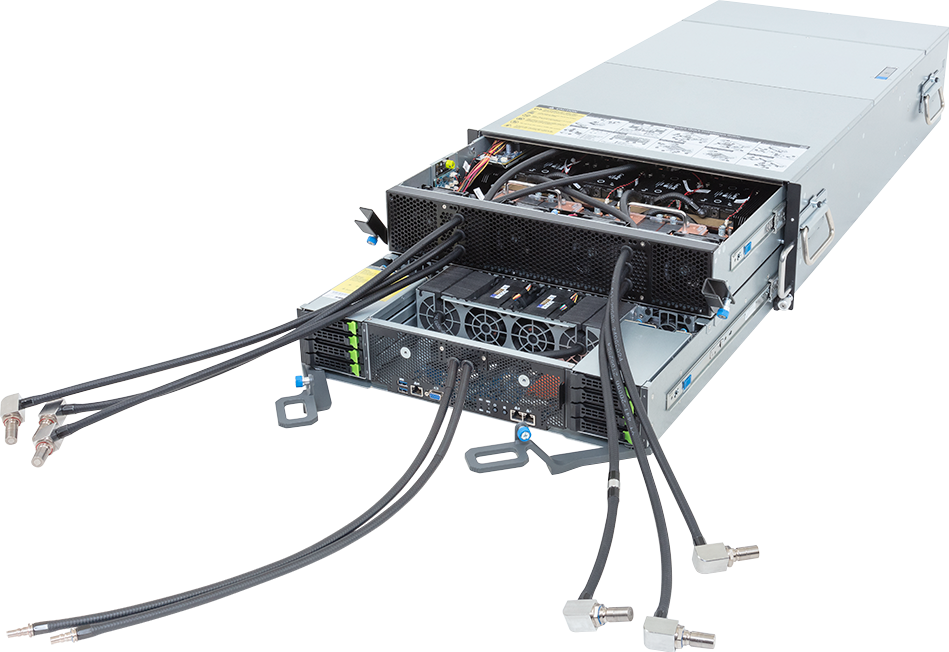
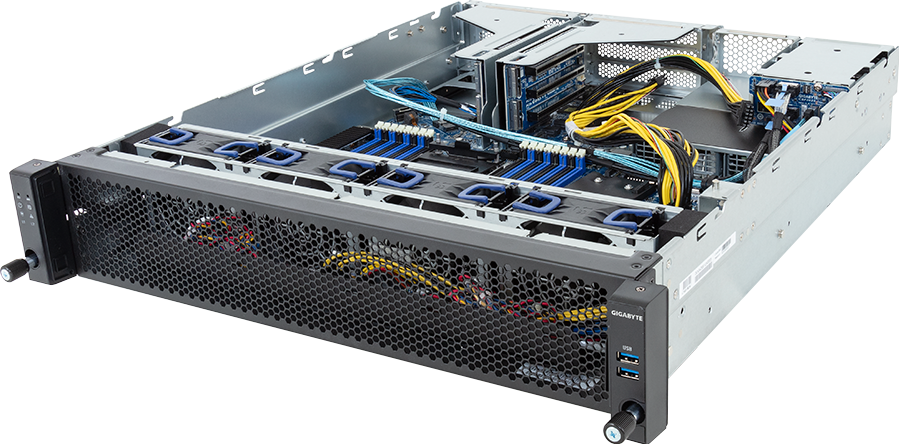
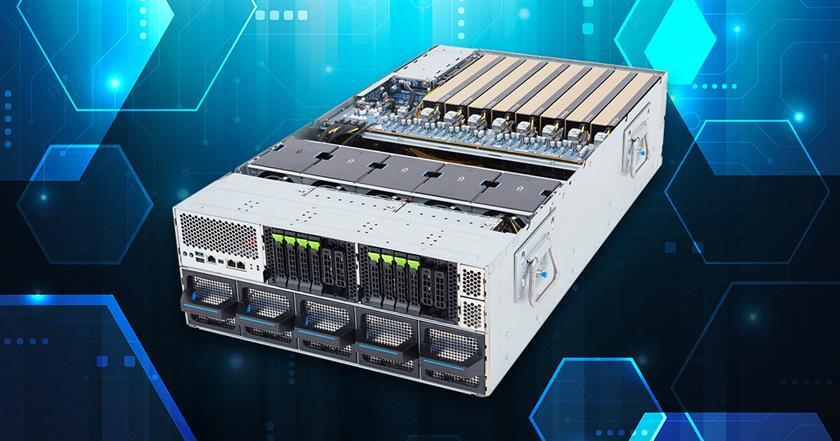
Physical AI spans development, training, simulation, and real-time inference. Workstations support 3D modeling and AI development; data center systems handle model training, synthetic data, and digital twins; and edge AI provides low-latency inference and control.
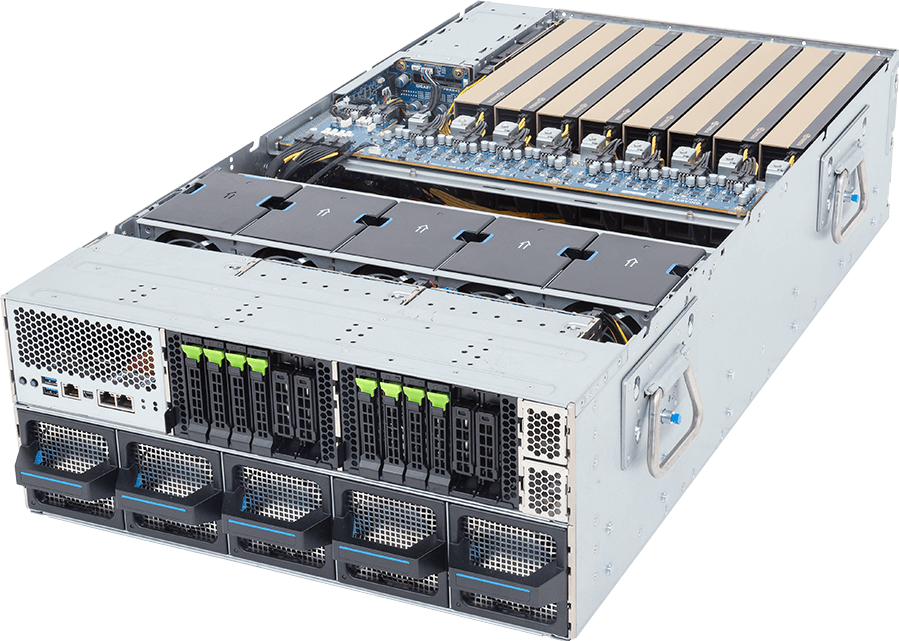
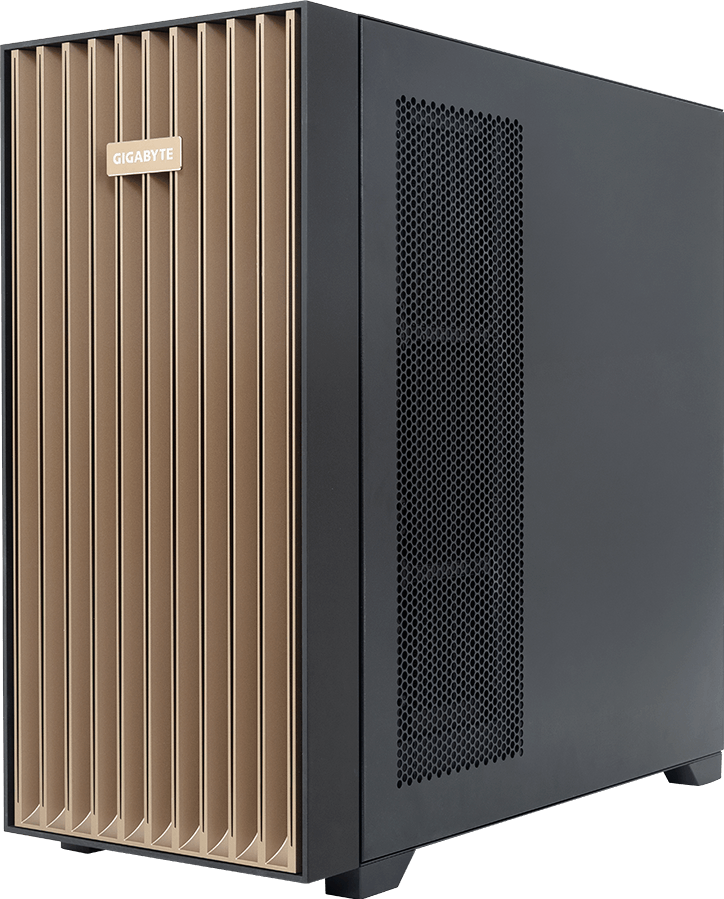
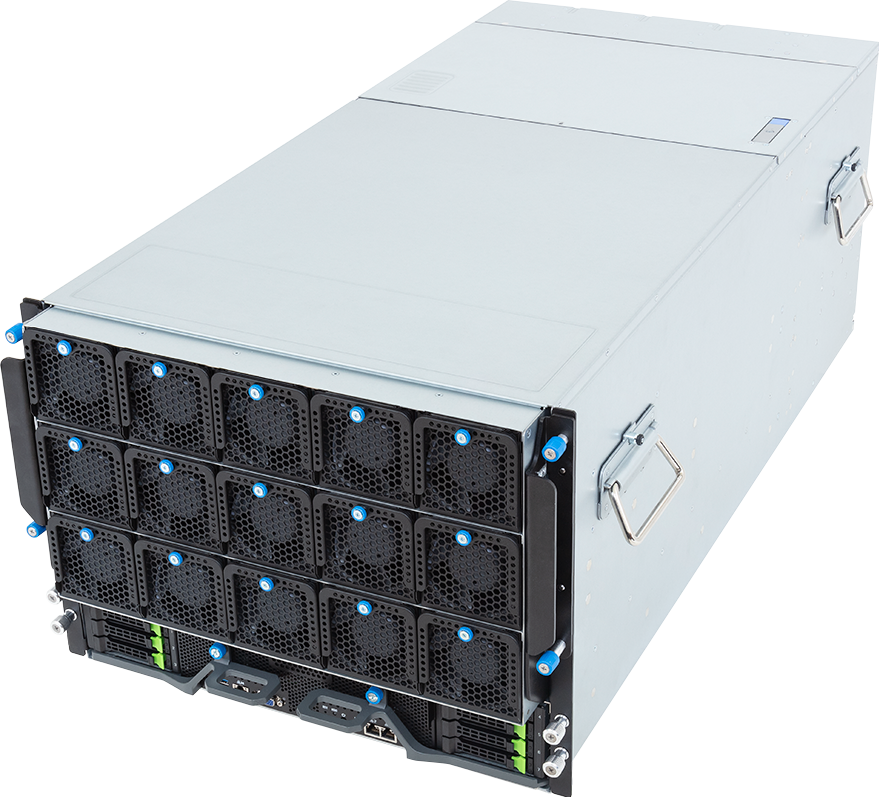
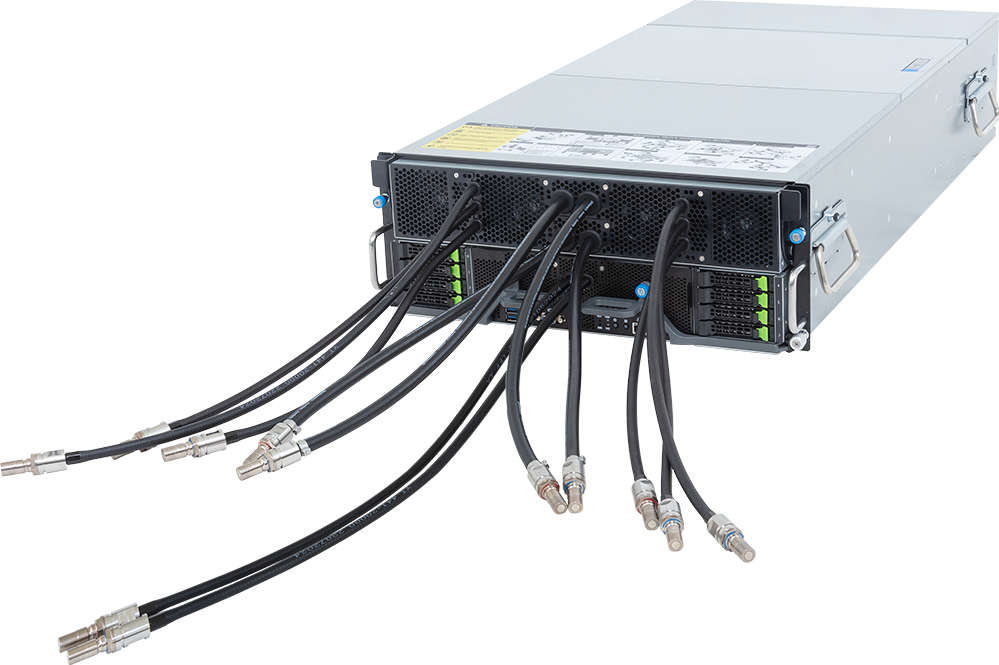
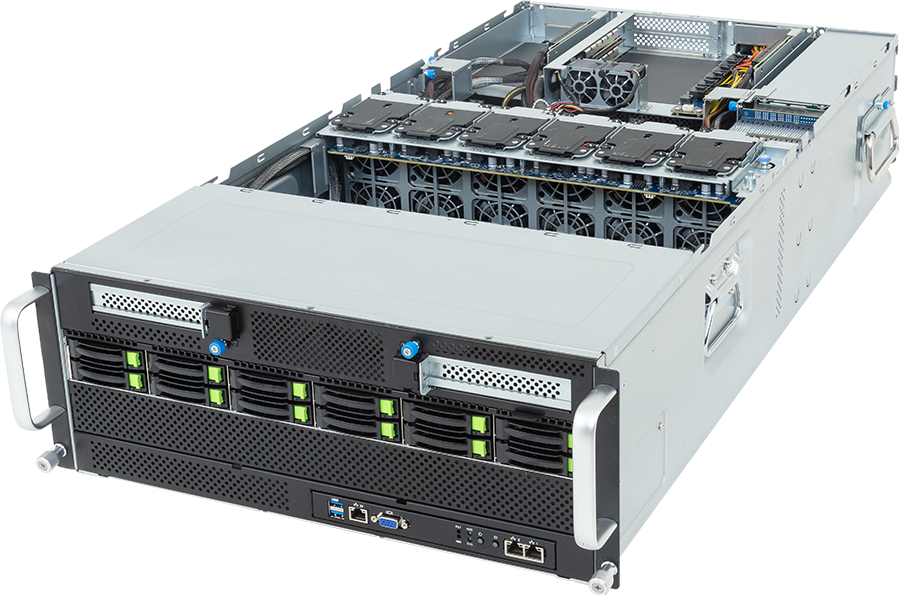
GIGABYTE offers professional workstations powered by NVIDIA RTX PRO GPUs and NVIDIA OVX-certified servers for NVIDIA Omniverse, supporting 3D visualization, digital twins, and large-scale Physical AI simulation. These environments can scale with GIGAPOD, high-speed networking and storage, and GIGABYTE POD Manager (GPM).
For deployment, GIGABYTE and GIGAIPC provide NVIDIA Jetson-based edge AI platforms for robotic arms, industrial robots, autonomous mobile systems, and smart manufacturing.
From virtual development and simulation to real-world deployment, GIGABYTE provides the computing foundation for Physical AI.