Edge Computing
What is edge computing?
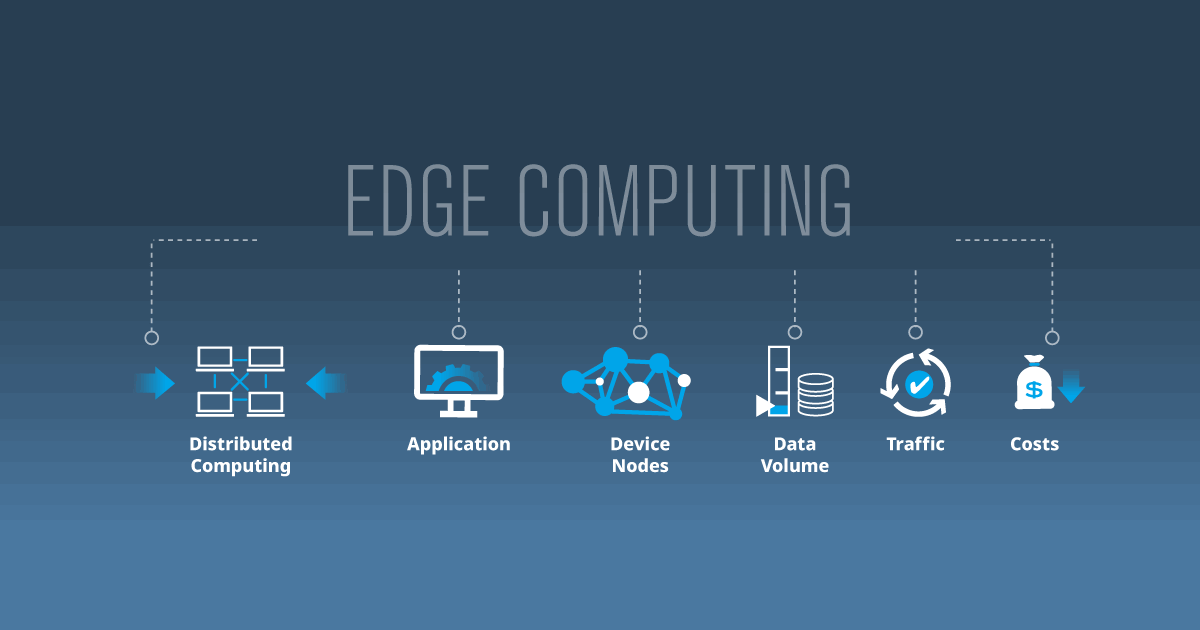
Edge computing is a type of computing network architecture, where computation is moved as close to the source of data as possible, in order to reduce latency and bandwidth use. The aim is to reduce the amount of computing required to be performed in a centralized, remote location (i.e. the "cloud") far away from the source of the data or the user who requires the result of the computation, thus minimizing the amount of long-distance communication that has to happen between a client and server. Rapid advances in technology allowing for miniaturization and increased density of computing hardware as well as software virtualization have made edge computing more feasible in recent years.
With its growing relevance, the market outlook for edge computing is also expanding rapidly. Research from IDC shows that global spending on edge computing solutions is expected to reach nearly $261 billion in 2025, and further grow at a compound annual growth rate (CAGR) of 13.8%, ultimately climbing to $380 billion by 2028.
Learn More:
《What is Edge Computing? Definition and Cases Explained.》
With its growing relevance, the market outlook for edge computing is also expanding rapidly. Research from IDC shows that global spending on edge computing solutions is expected to reach nearly $261 billion in 2025, and further grow at a compound annual growth rate (CAGR) of 13.8%, ultimately climbing to $380 billion by 2028.
Learn More:
《What is Edge Computing? Definition and Cases Explained.》
Why do you need it?
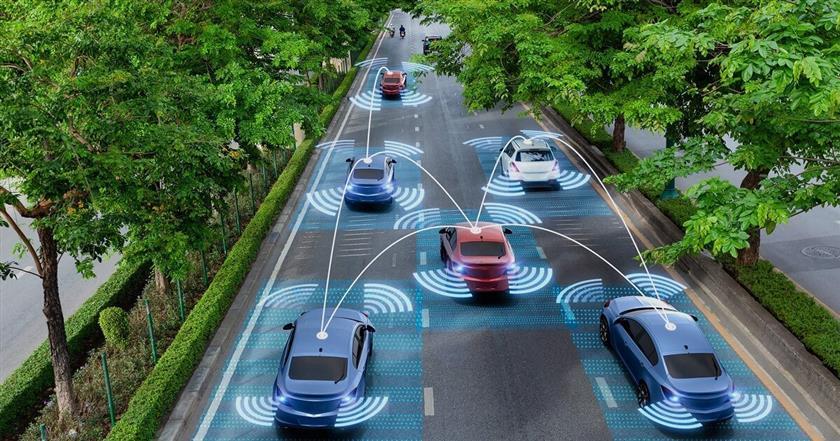
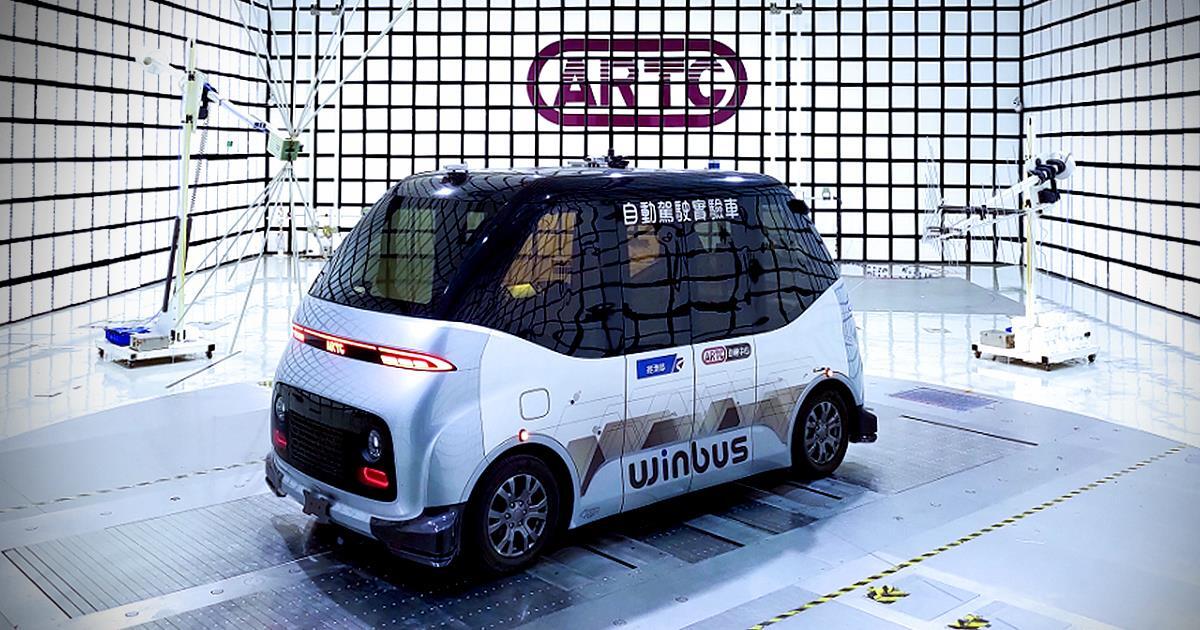
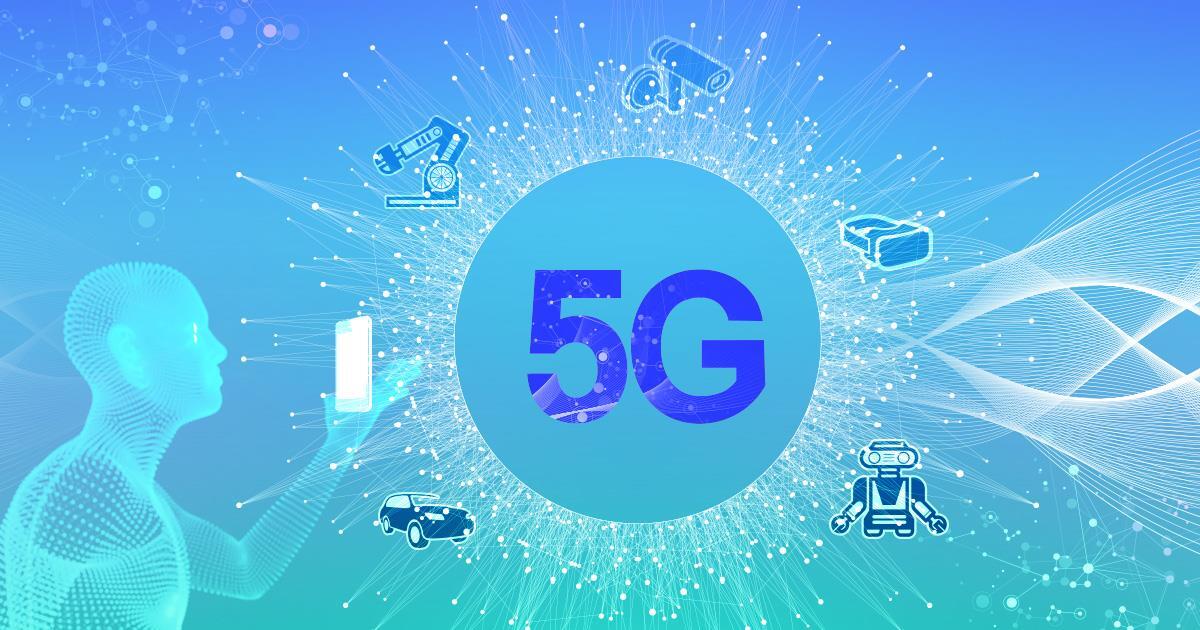
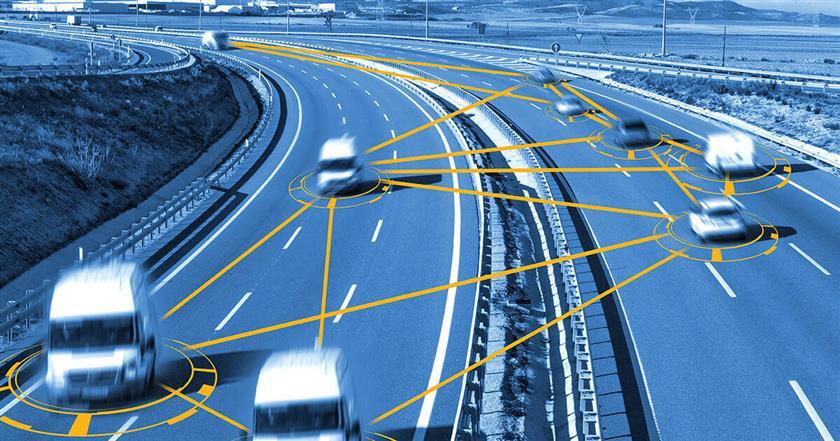
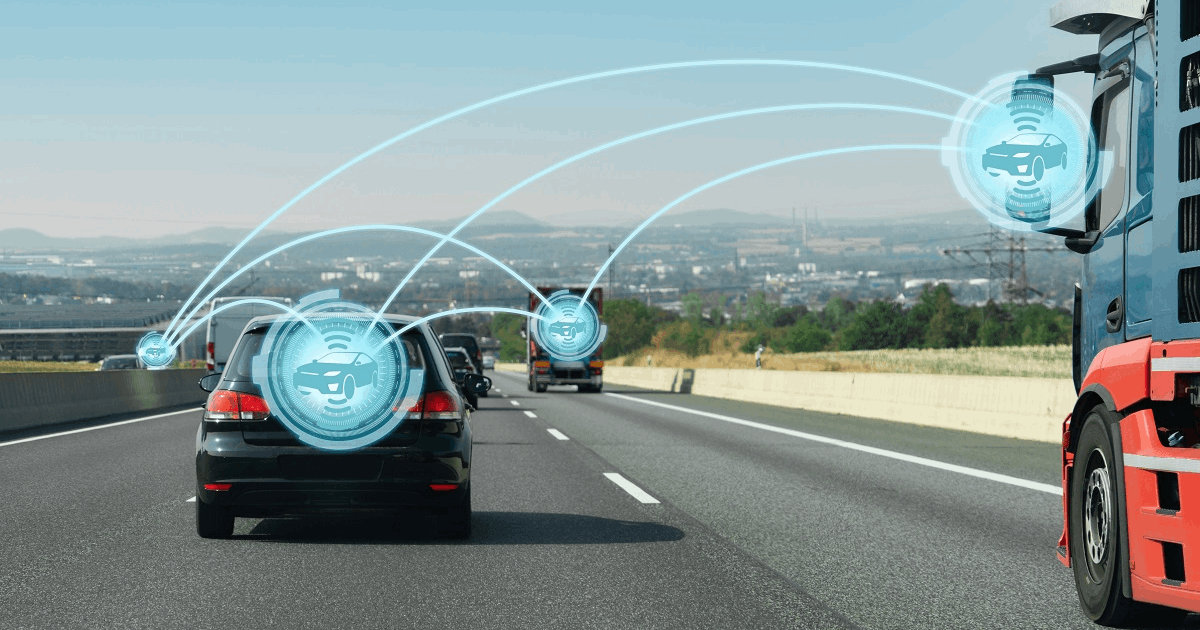
There has been a rapid increase of online devices at the edge of networks that generate massive amounts of data (e.g. IoT devices in smart factories or cities), consume massive amounts of data (such using 5G cellphones to view 4K streaming video or VR gaming devices), or both (such as self-driving vehicles). Using a traditional “cloud computing” model requires all this data to be transmitted back to a centralized data center to be processed, before being transmitted back to the device, pushing network bandwidth requirements to the limit. Despite the improvements of network technology, data centers cannot guarantee acceptable transfer rates and response times, which could be a critical requirement for many applications. Therefore, edge computing brings computation and storage abilities to the edge of the network, physically, logically or geographically close to the end device, reducing network bandwidth usage and latency and shortening response times. Edge computing is a primary component of making the Internet fast!
Learn More:
《What Is Edge AI and How Does It Work?》
Learn More:
《What Is Edge AI and How Does It Work?》
How is GIGABYTE helpful?
GIGABYTE Technology's entire line of E-Series Edge Servers were designed specifically for edge computing. The servers feature compact chassis and incredible compute density that help to bring the most advanced computing prowess out of the data centers and into installations on the edge of the network. These servers may be powered by conventional x86 processors, such as the latest AMD EPYC™ 9004 or 4th Gen Intel® Xeon® CPUs; or they may support RISC-based ARM CPUs, which boast the benefits of speaking the same "computing language" as most mobile and edge devices, having a high number of cores, and consuming less power.
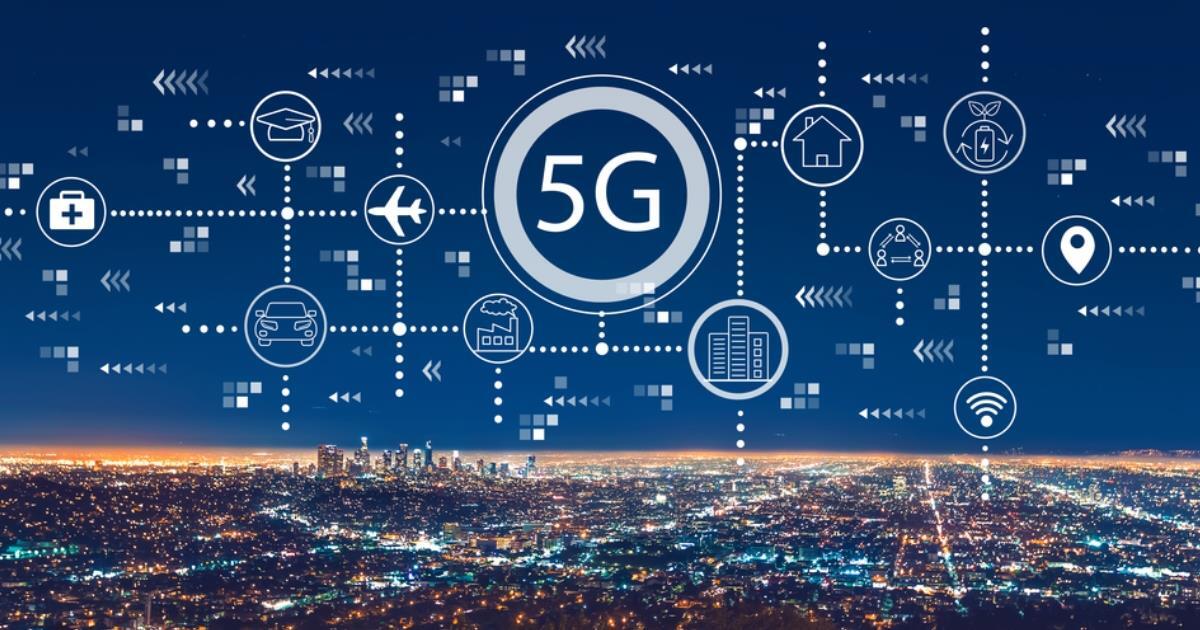
GIGABYTE also has developed a MEC (Multi-access Edge Computing) solution, a type of edge computing suitable for 5G networks that combines Network Functions Virtualization (NFV) together with general purpose servers to implement Virtual Evolved Packet Core (vEPC) technology. Edge computing will be a key technology component of 5G network infrastructure, since the amount of data generated by 5G devices will be too great for a traditional cloud computing network architecture to handle without unacceptable delays.
Reference:
1. IDC Estimates Global Spending on Edge Computing
GIGABYTE also has developed a MEC (Multi-access Edge Computing) solution, a type of edge computing suitable for 5G networks that combines Network Functions Virtualization (NFV) together with general purpose servers to implement Virtual Evolved Packet Core (vEPC) technology. Edge computing will be a key technology component of 5G network infrastructure, since the amount of data generated by 5G devices will be too great for a traditional cloud computing network architecture to handle without unacceptable delays.
Reference:
1. IDC Estimates Global Spending on Edge Computing