Digital Twin
Digitaler Zwilling
Was ist ein digitaler Zwilling?
Ein digitaler Zwilling ist eine dynamische digitale Repräsentation eines physischen Assets, Produkts, Prozesses oder Systems. Er ist mehr als ein 3D-Modell: Durch die Kombination von Geometriedaten, Geräteparametern, Sensordaten und Simulationsmodellen bildet er reale Bedingungen ab, analysiert Veränderungen, prognostiziert Ergebnisse und validiert neue Designs.
Digitale Zwillinge können unterschiedlichste Objekte abbilden – von Maschinen, Roboterarmen und Produktionslinien bis hin zu Fabriken und kompletten Rechenzentren. Dank der Fortschritte im IoT, in der KI, beim GPU-beschleunigten Computing und bei Technologien wie NVIDIA Omniverse sind digitale Zwillinge zu wichtigen Werkzeugen für Design, Simulation und die Optimierung von Betriebsabläufen geworden.
Digitale Zwillinge können unterschiedlichste Objekte abbilden – von Maschinen, Roboterarmen und Produktionslinien bis hin zu Fabriken und kompletten Rechenzentren. Dank der Fortschritte im IoT, in der KI, beim GPU-beschleunigten Computing und bei Technologien wie NVIDIA Omniverse sind digitale Zwillinge zu wichtigen Werkzeugen für Design, Simulation und die Optimierung von Betriebsabläufen geworden.
Warum brauchen wir digitale Zwillinge?
Änderungen an physischen Systemen können teuer, störend oder riskant sein, wenn sie direkt getestet werden. Digitale Zwillinge ermöglichen es Entwicklungsteams, verschiedene Szenarien virtuell zu bewerten, bevor sie in der realen Welt umgesetzt werden.
Hersteller können Produktionslayouts und Maschinenabläufe simulieren, während Rechenzentrumsteams Rack-Anordnungen, Stromversorgung, Kühlung und Netzwerk vor Baubeginn validieren können. Nach der Bereitstellung können digitale Zwillinge zudem Echtzeitdaten für Überwachung, Analyse und Prognosen einbeziehen.
Dieser Ansatz nach dem Prinzip „zuerst simulieren, später umsetzen“ hilft, die Kosten von Versuch und Irrtum zu senken, Engpässe früher zu erkennen und sowohl die Design- als auch die Betriebseffizienz zu verbessern.
Laut McKinsey wird der globale Markt für digitale Zwillingstechnologie in den nächsten fünf Jahren voraussichtlich jährlich um rund 60 % wachsen und bis 2027 ein Volumen von 73,5 Milliarden US$ erreichen.
Wie funktioniert die Technologie des digitalen Zwillings?
Ein digitaler Zwilling beginnt in der Regel mit einem digitalen Modell des physischen Systems. CAD-, BIM- oder 3D-Assets werden mit den technischen Spezifikationen der Anlagen kombiniert. IoT-Sensoren, Steuerungssysteme und Betriebsdaten halten das virtuelle Modell mit den realen Bedingungen synchron.
GPUs, HPC-Systeme und Simulationssoftware können anschließend das thermische Verhalten, Strukturen, physische Umgebungen oder den Betrieb von Anlagen analysieren. KI kann zusätzlich Muster erkennen, Anomalien vorhersagen und Was-wäre-wenn-Analysen unterstützen. Die Simulationsergebnisse können anschließend wieder in die reale Entwicklung und den Betrieb einfließen.
Welche Anwendungen gibt es für digitale Zwillinge?
・Intelligente Fertigung
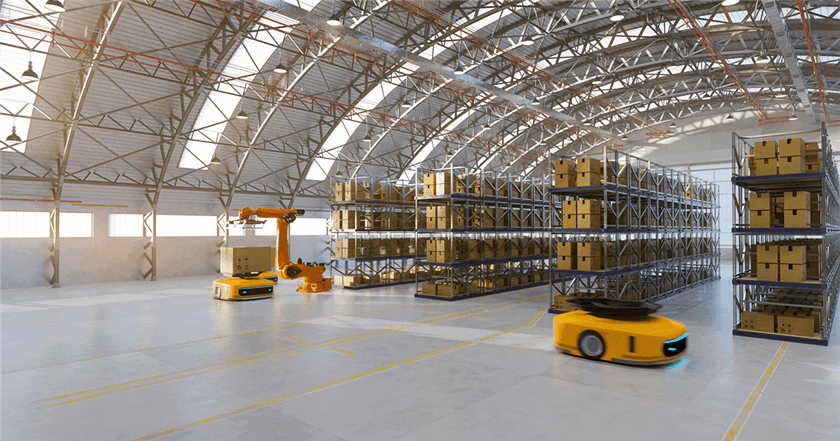
Digitale Zwillinge können Anlagen und Produktionslinien modellieren, um Prozesse, Roboterbewegungen und die Kapazitätsplanung zu simulieren. Gleichzeitig lassen sich mithilfe von Live-Daten die Anlagenzustände überwachen.
・Rechenzentren
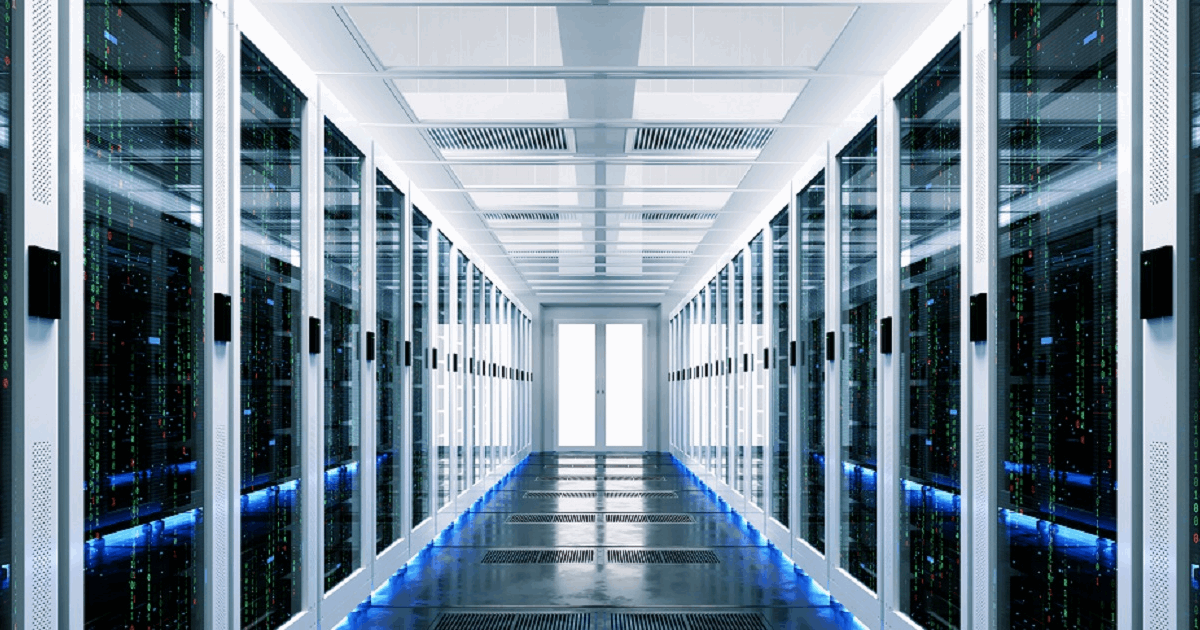
Digitale Zwillinge können Rack-Anordnungen sowie die Stromversorgung, Kühlung und Netzwerkarchitektur bereits vor dem Bau simulieren. Dadurch lassen sich Designs frühzeitig validieren und nach der Inbetriebnahme Leistungs- und Kapazitätsanalysen durchführen.
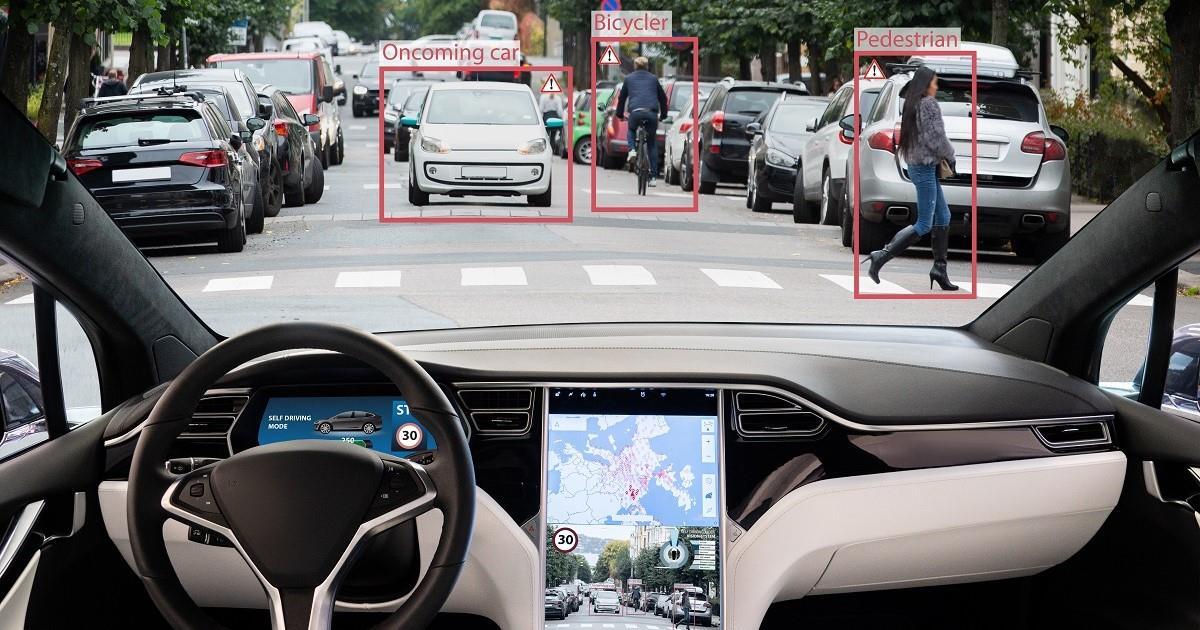
Roboter, autonome Fahrzeuge und andere intelligente Maschinen können in virtuellen Umgebungen trainiert und validiert werden, bevor sie mithilfe von Sim-to-Real-Workflows in physischen Systemen eingesetzt werden.
Wie unterstützt GIGABYTE?
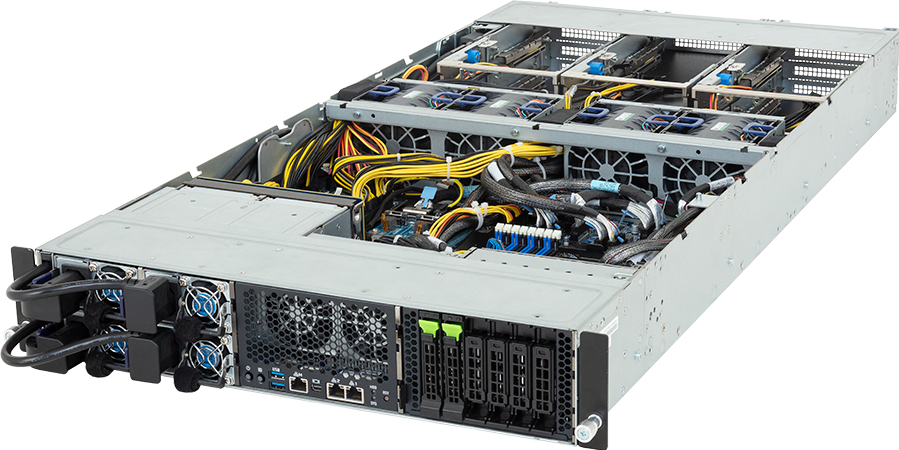
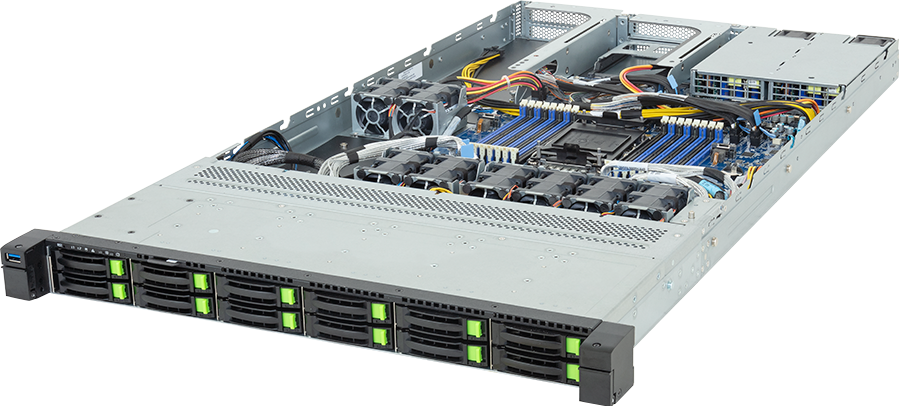
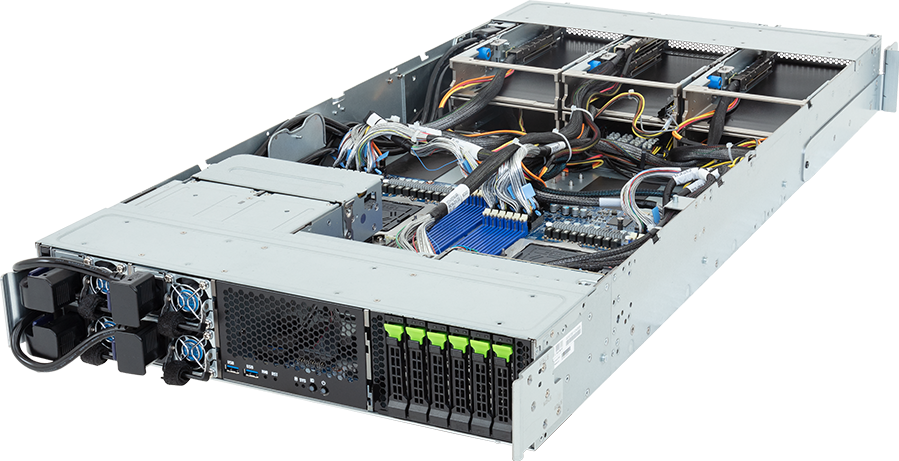
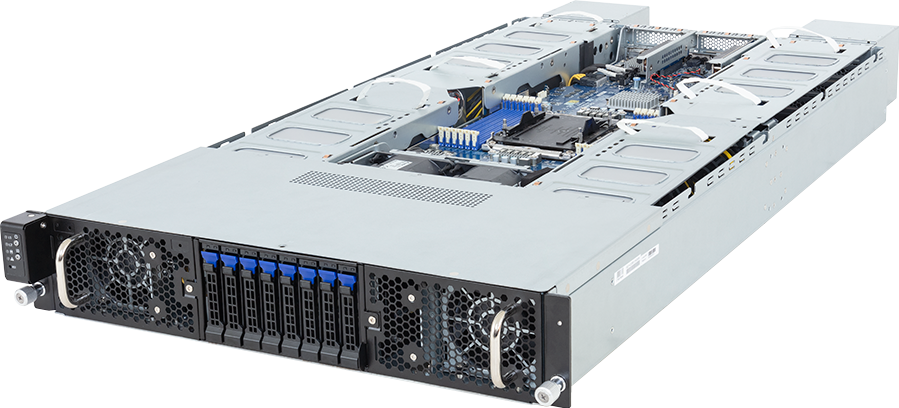
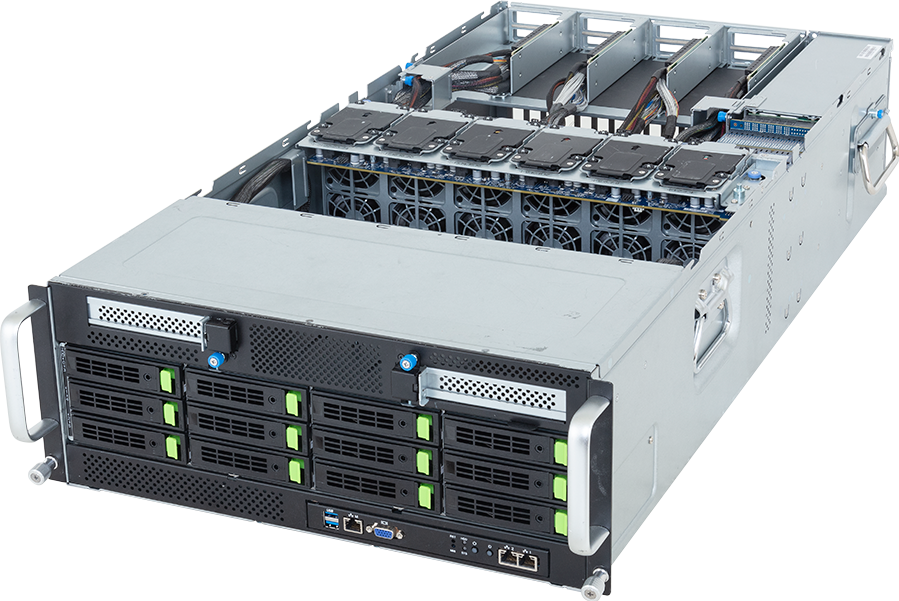
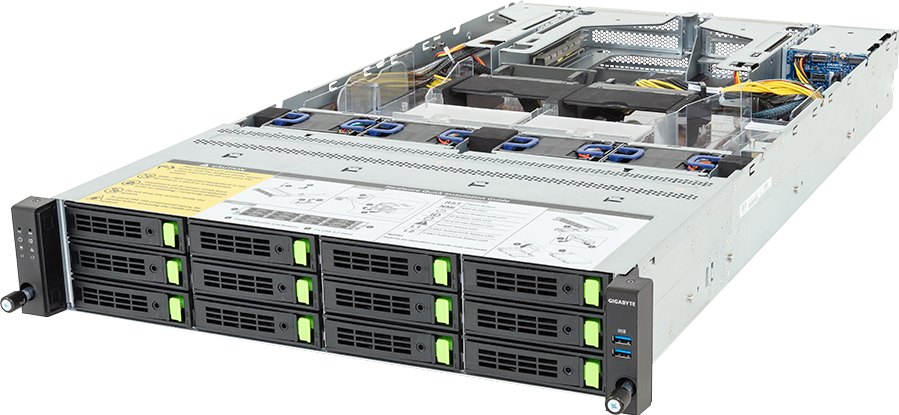
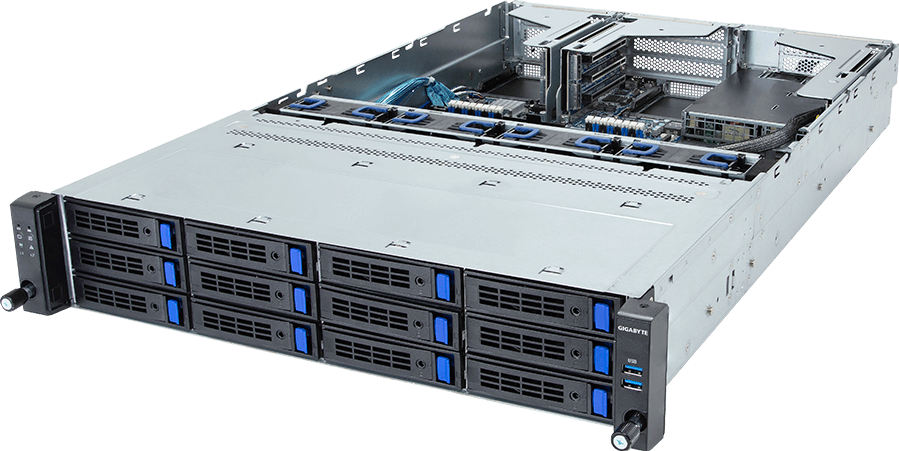
Workloads für digitale Zwillinge erfordern erhebliche Rechenleistung für 3D-Anwendungen, KI, Simulationen und Datenverarbeitung. GIGABYTE bietet Plattformen an, die von professionellen Workstations mit NVIDIA RTX PRO GPUs über NVIDIA-OVX-zertifizierte Server und GPU-Server bis hin zu GIGAPOD für die Visualisierung mit NVIDIA Omniverse, physikbasierte Simulationen und groß angelegte digitale Zwillinge reichen.
Für KI-Rechenzentren setzt GIGABYTE außerdem NVIDIA DSX SimReady auf Rack-Scale-Plattformen ein und integriert Informationen zu Stromversorgung, Thermik und Konnektivität in digitale Assets, die vor dem Bau mit dem NVIDIA Omniverse DSX Blueprint simuliert und validiert werden können.
In der wissenschaftlichen Forschung hat GIGABYTE zudem mit dem Institute for Cross-Disciplinary Physics and Complex Systems (IFISC) in Spanien zusammengearbeitet. Dabei wurden Hochleistungsserver eingesetzt, um einen digitalen Zwilling eines realen Stromübertragungsnetzes zu erstellen und die Entwicklung und Integration erneuerbarer Energien zu simulieren.
Von der workstationbasierten Entwicklung und Simulation bis hin zu digitalen Zwillingen auf Rechenzentrumsebene für KI-Fabriken stellt GIGABYTE die erforderlichen Computing-Plattformen und Infrastrukturen bereit, um digitale Zwillinge in realen Anwendungen einzusetzen.