vEPC (Virtual Evolved Packet Core)
Virtueller weiterentwickelter Paketkern
Was ist vEPC (Virtual Evolved Packet Core)?
Ein Virtual Evolved Packet Core (vEPC) ist ein Framework für die Verarbeitung und Vermittlung von Sprach- und Datendiensten in Mobilfunknetzen. Es wird mithilfe von Network Functions Virtualization (NFV) implementiert, wobei die Funktionen eines Evolved Packet Core (EPC) virtualisiert werden. Das vEPC-Framework wird in 4G-LTE-Mobilfunknetzen eingesetzt und wird auch ein wesentlicher Bestandteil künftiger 5G-Netzarchitekturen sein.
1G-Mobilfunknetze unterstützten ausschließlich Sprachdienste. In 2G- und 3G-Netzarchitekturen wurden Sprach- und Datendienste über zwei separate Subdomänen verarbeitet und vermittelt. Dies erschwerte die Netzverwaltung und schränkte den Funktionsumfang für Endnutzer ein. Mit 4G wurde der EPC eingeführt, der Sprach- und Datendienste in einer gemeinsamen IP-basierten Servicearchitektur zusammenführte. Dadurch wurde eine permanente Internetverbindung für Mobilfunknutzer ermöglicht und die Verwaltung für Mobilfunknetzbetreiber vereinfacht.
Die Implementierung eines EPC erforderte jedoch kostspielige proprietäre Hardware- und Softwareinfrastrukturen. Network Functions Virtualization verlagert die Funktionen des EPC in die Softwareebene und ermöglicht deren Ausführung auf kostengünstigen COTS-Servern (Commercial Off-the-Shelf).
Warum wird vEPC benötigt? Wer braucht es?
Durch die Virtualisierung der Funktionen des Evolved Packet Core (EPC) können Mobilfunkanbieter ihre Netzwerke theoretisch an die individuellen Anforderungen einzelner Kunden anpassen und einzelne Netzwerkkomponenten je nach Bedarf kombinieren. vEPC kann außerdem CAPEX und OPEX senken, da die Abhängigkeit von spezialisierter Hardware reduziert wird. Gleichzeitig lassen sich Services schneller bereitstellen, Ressourcen bedarfsgerecht skalieren und Netzwerke in Echtzeit an aktuelle Bedingungen und Nutzeranforderungen anpassen.
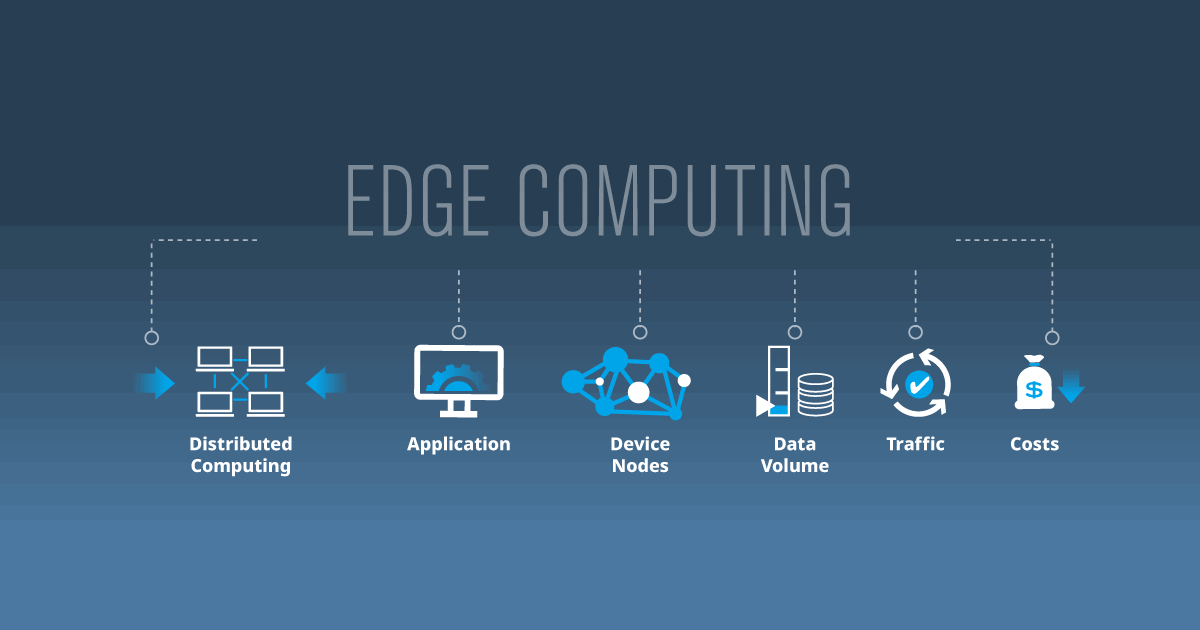
Das vEPC-Framework wird ein zentraler Bestandteil künftiger 5G-Netzarchitekturen sein, die weltweit geplant oder bereits implementiert werden, und zugehörige Plattformen wie MEC (Multi-access Edge Computing) unterstützen.
Wie unterstützt GIGABYTE Sie?
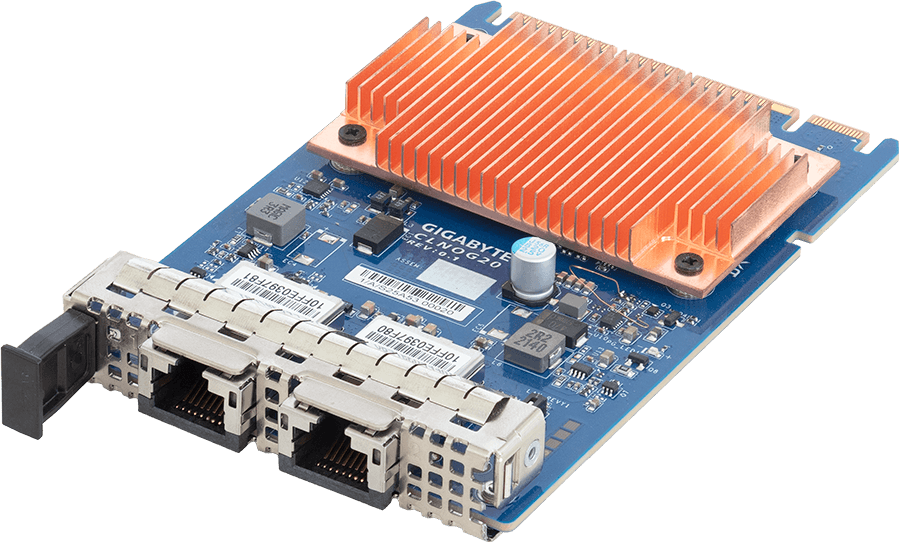
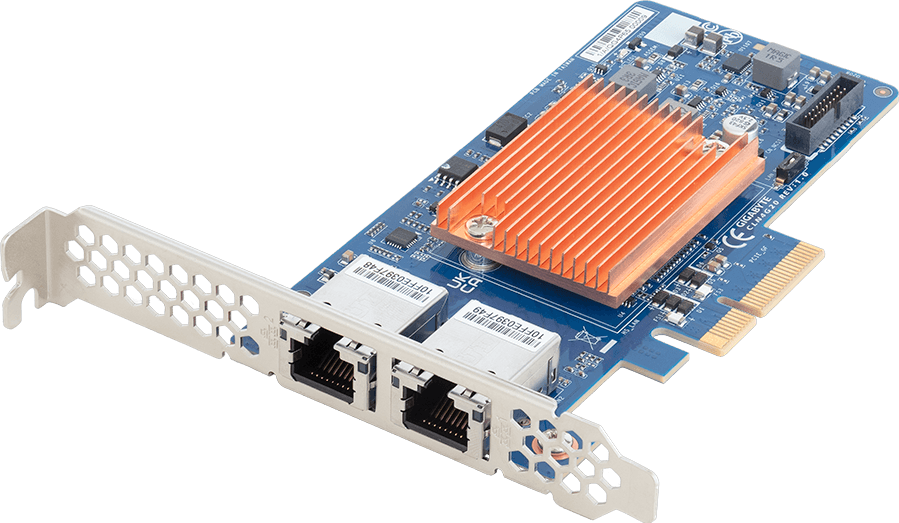
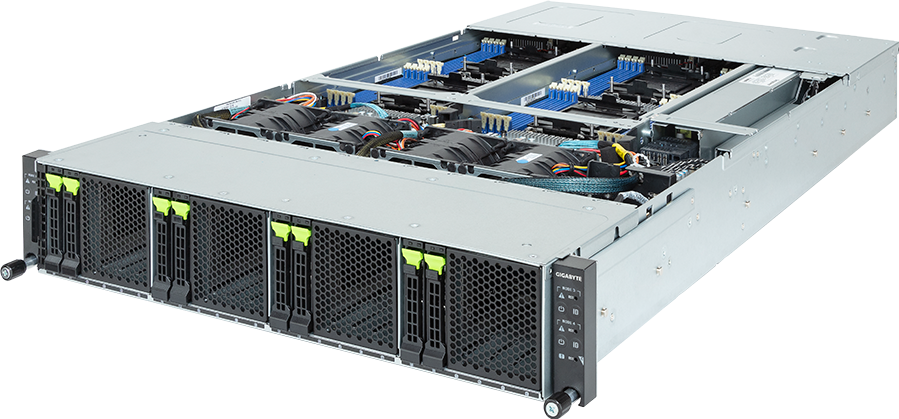
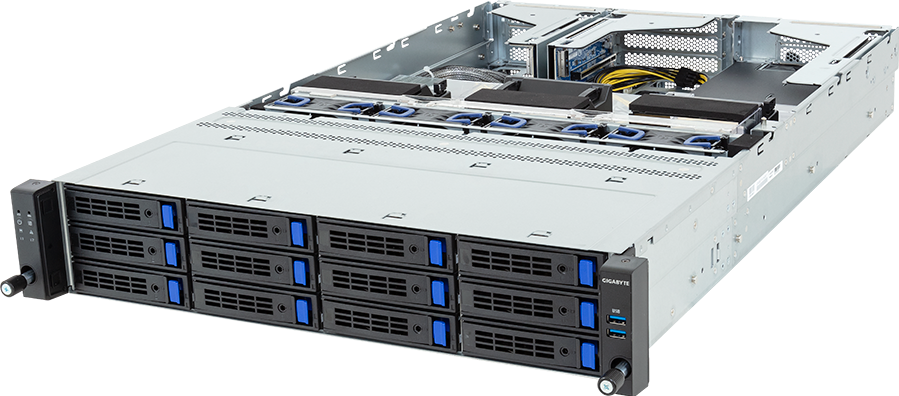
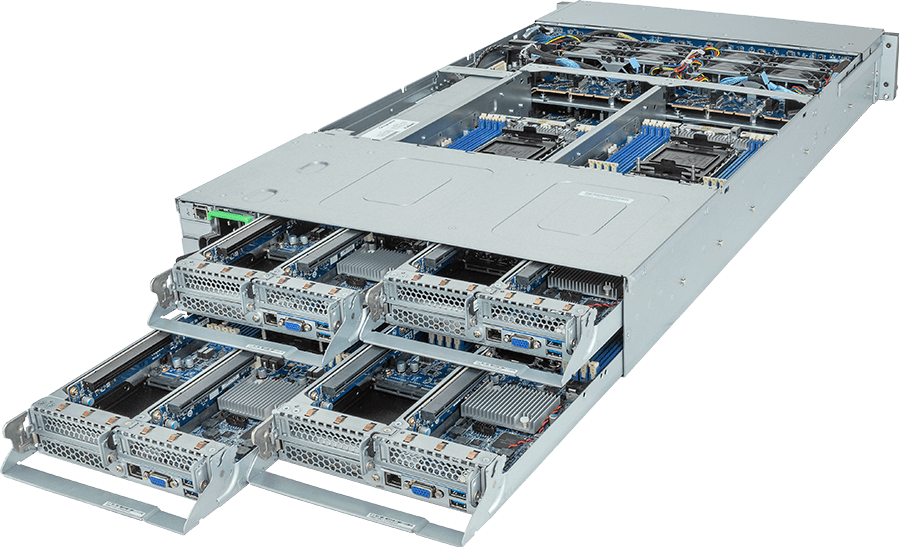
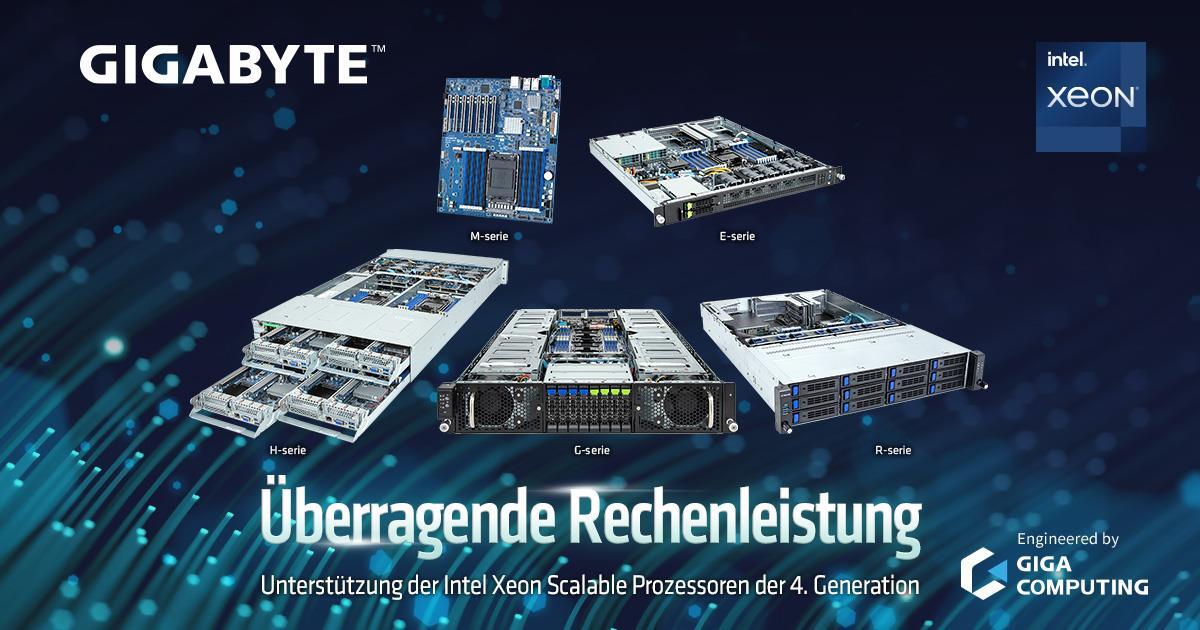
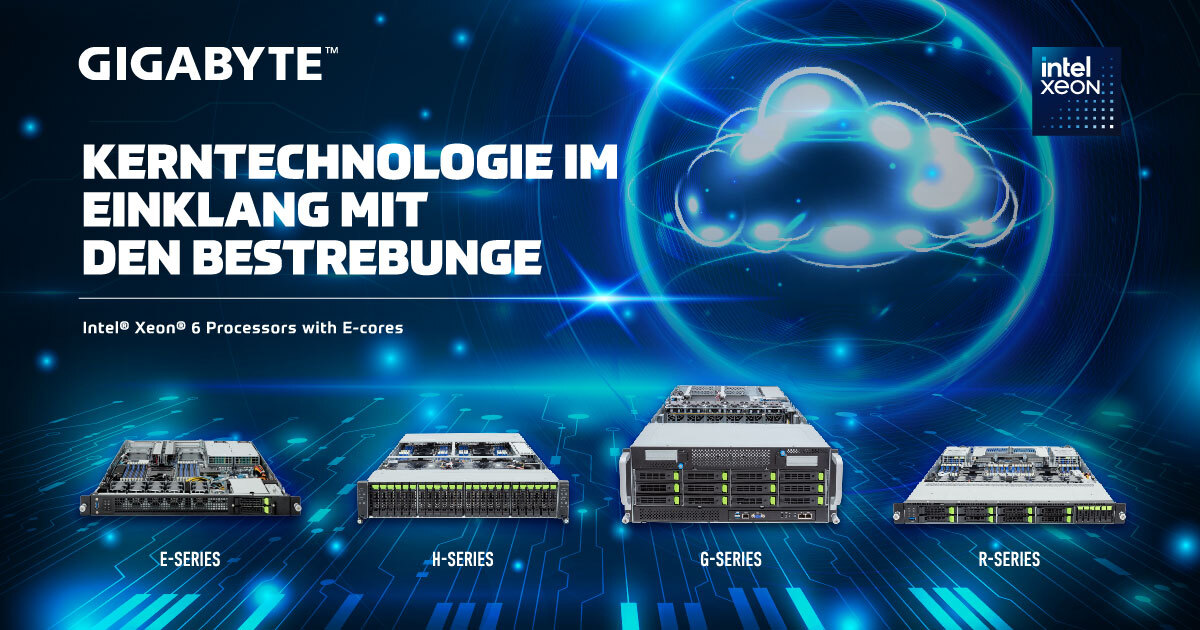
GIGABYTEs H281-PE0 ist eine ideale COTS-Plattform als Hardwarebasis für einen vEPC-Server. Der H281-PE0 kombiniert eine für hohe CPU-Dichte optimierte 2U-Architektur mit 4 Nodes und einer branchenführenden Anzahl an Erweiterungssteckplätzen. Pro Node stehen 3 Low-Profile-PCIe-Gen3-x16-Steckplätze und 1 OCP-Mezzanine-Steckplatz zur Verfügung. Damit sind bis zu 14 Netzwerkports (1GbE / 10GbE / 25GbE / 40GbE / 100GbE) pro Node bzw. 56 Netzwerkports pro 2U-Gehäuse möglich.







![[Digital Tour] Find Your 5G Edge](https://static.gigabyte.com/StaticFile/Image/Global/4e9a91ea9f27688632f1faa7011bb05a/ArticleOriginal/135)