1. Home
  2. Glossary
  3. Cloud RAN

Cloud RAN

What is it?

A Cloud RAN (otherwise known as C-RAN) is a new type of Radio Access Network (RAN) architecture that is centralized and cloud computing-based. It will be a key technology used in the deployment of 5G networks.

Traditionally, specialized proprietary hardware with embedded software is used to implement the different network functions to deploy a RAN. A Cloud RAN virtualizes these functions using NFV (Network Functions Virtualization), and also provides a platform for other cloud-based application services such as for a MEC (Multi-access Edge Computing) server to be deployed on the same physical infrastructure.

Another key design feature of a Cloud RAN is that Baseband Units (BBU, devices that convert digital signals to radio transmissions and vice-versa) are relocated from individual base stations to a centralized control and processing station, often referred to as a “BBU hotel”, which are then connected to remotely located Radio Frequency Units (RFU, the broadcasting antenna of a base station) via high speed optical fiber.

Why do you need it?

Using Cloud RAN architecture can help make deployment and scaling of new wireless networks (such as for 5G and IoT) cheaper and easier for network operators. The centralization of BBU equipment in a “BBU hotel” helps lower the total cost of hardware cooling and power requirements, and allows for easier maintenance access and management since they will all be located in the same central physical place.

In addition, since network functions are now virtualized and software-based, the wireless network can be made more scalable and flexible, with an ability to pool resources and dynamically allocate them where needed, as well as to re-use infrastructure for different applications. A Cloud RAN architecture allows for more efficient network enhancement or expansion, since the technology will be software-based running on commodity hardware which can be upgraded quickly and easily.

How is GIGABYTE helpful?

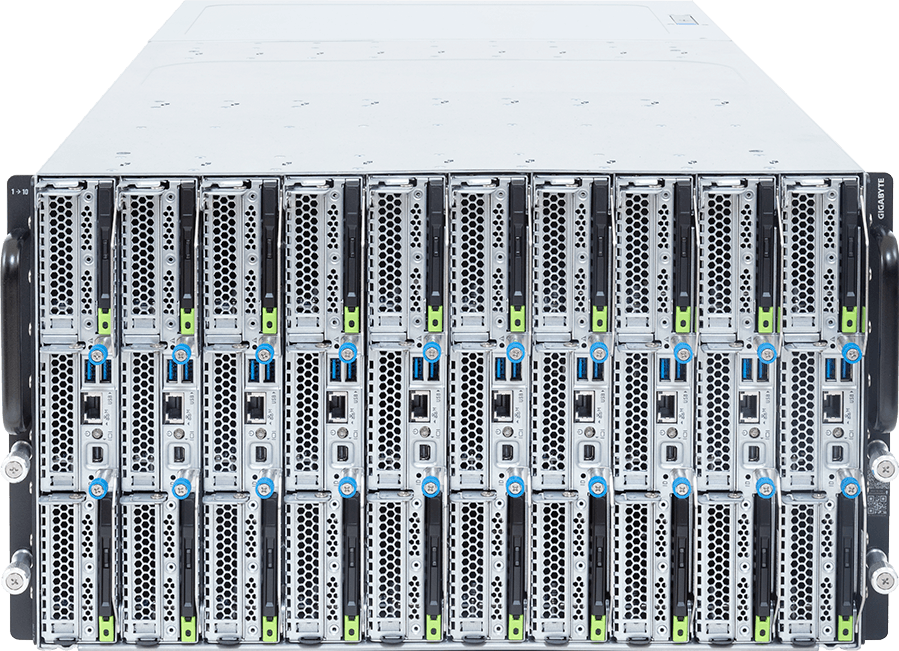
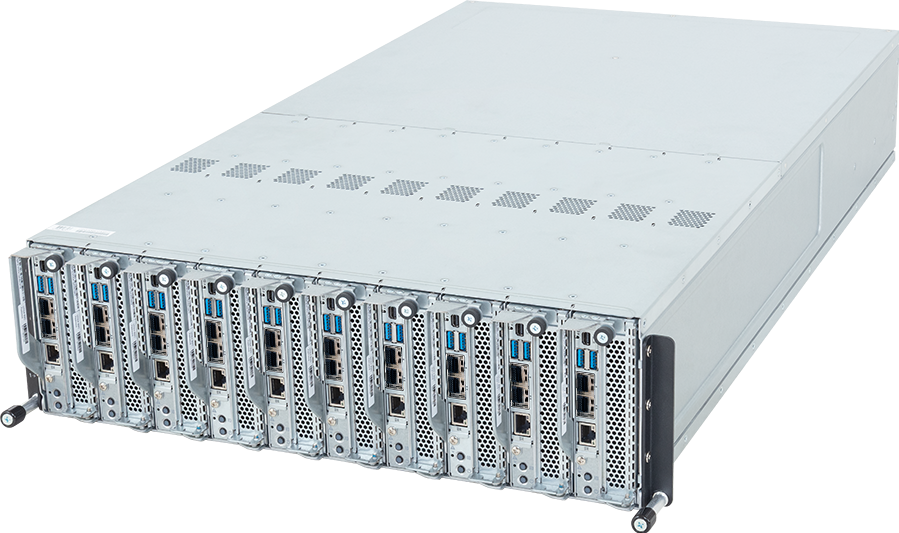
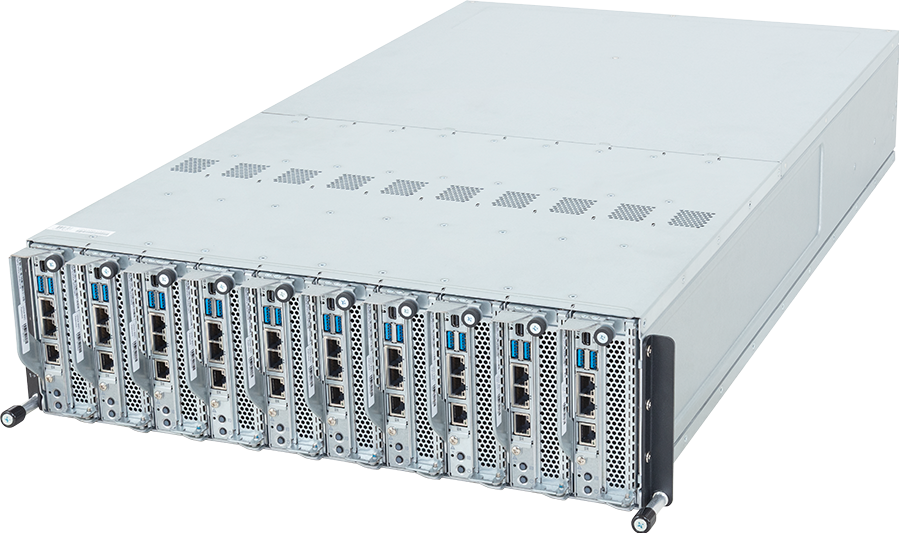
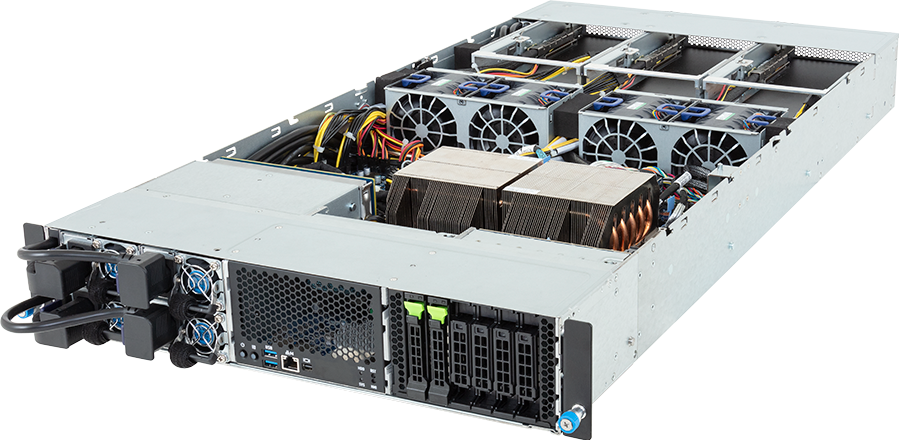
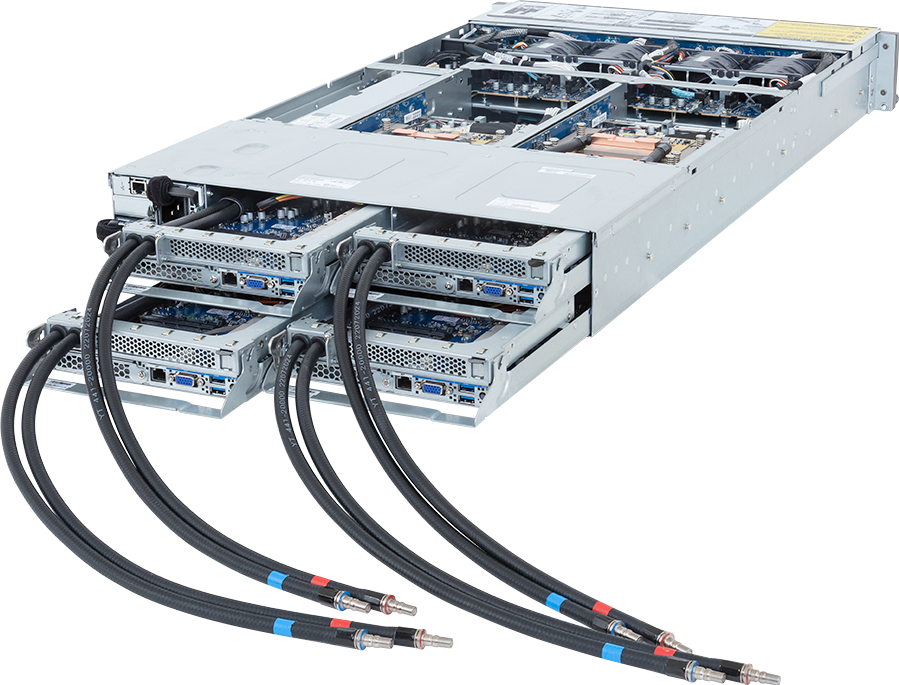
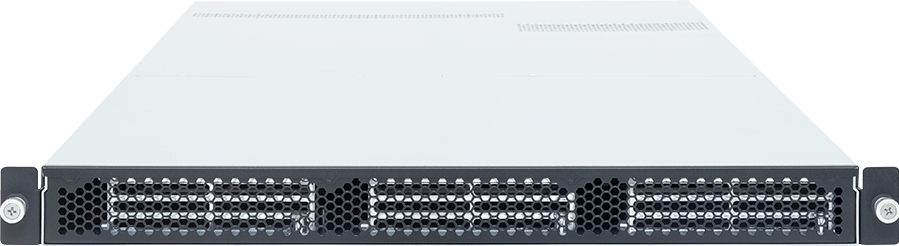
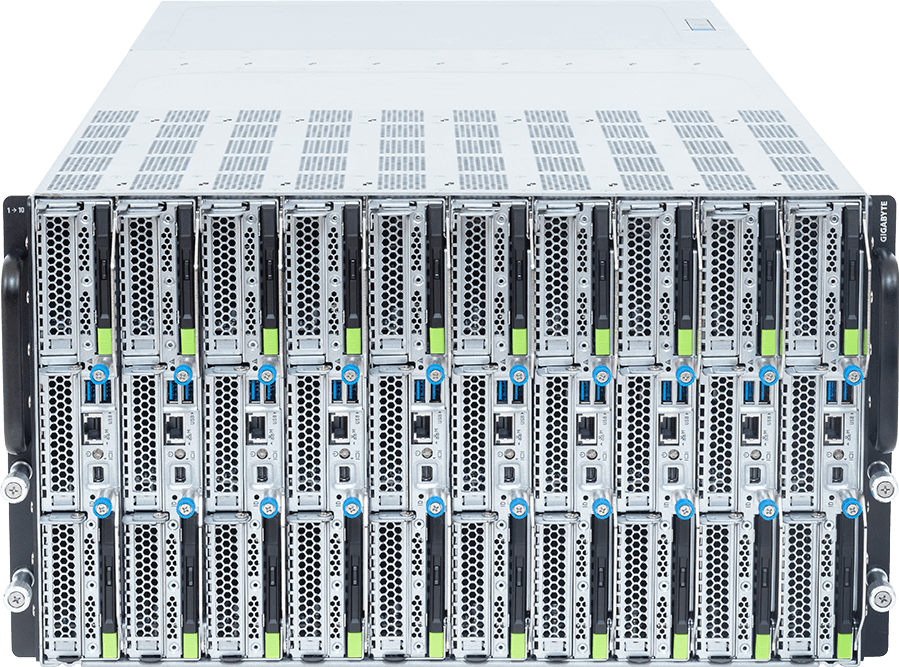
GIGABYTE can provide a range of compact but powerful EdgeRack and High Density systems that are ideal to be deployed as a BBU server in a centralized “BBU Hotel” as part of a Cloud RAN network architecture. They feature support for the latest Intel, AMD or Arm server processors that can provide high core and thread counts for a large number of virtualized applications, as well as excellent expansion capabilities for Networking Interface Cards (NIC) for high speed network connectivity.
Recommended Reading

5G MEC Networking Platform

5G MEC Networking Platform

A MEC (Multi-access Edge Computing / Mobile Edge Computing) platform based on GIGABYTE's server hardware provides an effective way to support a new generation of 5G services such as eMBB for high bandwidth content streaming, URLLC for autonomous driving or mMTC for a smart city IoT network
An Autonomous Vehicles Network with 5G URLLC Technology

An Autonomous Vehicles Network with 5G URLLC Technology

5G URLLC (Ultra-Reliable Low Latency Communications) technology to build an intelligent Internet of Vehicles (IoV) network can be delivered using a MEC (Multi-access Edge Computing) architecture based on GIGABYTE's edge servers such as H242 Series equipped with vRAN and AI inferencing capabilities
6 Key Knowledge to Build the Power of Computing for Your Business
Article

6 Key Knowledge to Build the Power of Computing for Your Business

Digitalization is the first strategy in technology for today's enterprises to stay ahead of others. To develop core business and conduct daily operations, enterprises need IT systems and computing power to store, process, manage and analyze the large amounts of data generated and collected every day. This guide will take you from understanding the relevant definitions of data centers to the functions of servers that are often deployed in modern popular technologies such as high performance computing (HPC), 5G, and artificial intelligence (AI).
What is a Server? A Tech Guide by GIGABYTE
Article

What is a Server? A Tech Guide by GIGABYTE

In the modern age, we enjoy an incredible amount of computing power—not because of any device that we own, but because of the servers we are connected to. They handle all our myriad requests, whether it is to send an email, play a game, or find a restaurant. They are the inventions that make our intrinsically connected age of digital information possible. But what, exactly, is a server? GIGABYTE Technology, an industry leader in high-performance servers, presents our latest Tech Guide. We delve into what a server is, how it works, and what exciting new breakthroughs GIGABYTE has made in the field of server solutions.
The Advantages of ARM: From Smartphones to Supercomputers and Beyond
Article

The Advantages of ARM: From Smartphones to Supercomputers and Beyond

Processors based on the ARM architecture, an alternative to the mainstream x86 architecture, is gradually making the leap from mobile devices to servers and data centers. In this Tech Guide, GIGABYTE Technology, an industry leader in high-performance server solutions, recounts how ARM was developed. We also explain the various benefits of ARM processors and recommend ARM servers for different sectors and applications.
Looking Towards 5G and the Transformation of Our Technology Ecosystem
Article

Looking Towards 5G and the Transformation of Our Technology Ecosystem

When everything in the world becomes connected to the internet, human society will become a huge, highly intelligent organism. The “brain” of this organism will be the cloud, and its limbs will be a variety of end applications such as smart phones, AI-enabled robots, self-driving cars and smart factories.
What is Edge Computing? Definition and Cases Explained
Article

What is Edge Computing? Definition and Cases Explained

With the proliferation of 5G communications technology, edge computing—the practice of performing computing tasks as physically or logically close as possible to where data is created and commands are executed—has begun to permeate the modern world of smart technology. In this article, we explore the concept of edge computing in detail, and explain how it offers many excellent advantages, especially in terms of latency reduction for applications that rely on real-time decision-making.
Setting the Record Straight: What is HPC? A Tech Guide by GIGABYTE
Article

Setting the Record Straight: What is HPC? A Tech Guide by GIGABYTE

The term HPC, which stands for high performance computing, gets thrown around a lot nowadays, as server solutions become more and more ubiquitous. It is running the risk of becoming a catchall phrase: anything that is “HPC” must be the right choice for your computing needs. You may be wondering: what exactly are the benefits of HPC, and is HPC right for you? GIGABYTE Technology, an industry leader in high-performance servers, presents this tech guide to help you understand what HPC means on both a theoretical and a practical level. In doing so, we hope to help you evaluate if HPC is right for you, while demonstrating what GIGABYTE has to offer in the field of HPC.
Data Center Cooling: The Key to Green Computing and a Low-Carbon Transition
Article

Data Center Cooling: The Key to Green Computing and a Low-Carbon Transition

Server Processors: The Core of a Server’s Performance
Article

Server Processors: The Core of a Server’s Performance

How do server processors work? In which ways are they different from the processors used in personal computers? Which processors should you choose for your servers? GIGABYTE Technology, an industry leader in server solutions that support the most advanced processors, is pleased to present our latest Tech Guide. We will go over the fundamentals of server processors, compare the differences between various types of processors, and then present GIGABYTE products that may help you achieve your goals with the CPUs most suitable for your needs.