RAG (Retrieval-Augmented Generation)
What is RAG (Retrieval-Augmented Generation)?
Retrieval-Augmented Generation (RAG) is a technology that combines generative AI with external knowledge bases. Its core concept is to enable generative AI to no longer “work alone,” but to first “retrieve information, then generate responses” when answering queries.
Specifically, RAG converts documents in a knowledge base into vector representations and stores them in a vector database. User queries are also transformed into vectors, allowing the system to quickly identify the most relevant content by comparing vector similarities, before passing it to the LLM for response generation. This approach captures semantic relationships rather than relying solely on keyword matching. As a result, the AI can generate more accurate answers while reflecting up-to-date information, avoiding errors or misinformation due to outdated training data.
In enterprise applications, RAG is particularly valuable, as it can integrate internal documents or FAQs, enabling AI to provide timely and reliable responses without retraining the model. In essence, RAG acts as a “digital assistant” for generative AI, making outputs more trustworthy, aligned with user needs, and reducing the occurrence of AI hallucinations.
Learn More: What is Agentic AI? Are You On Track to Profit from It?
Specifically, RAG converts documents in a knowledge base into vector representations and stores them in a vector database. User queries are also transformed into vectors, allowing the system to quickly identify the most relevant content by comparing vector similarities, before passing it to the LLM for response generation. This approach captures semantic relationships rather than relying solely on keyword matching. As a result, the AI can generate more accurate answers while reflecting up-to-date information, avoiding errors or misinformation due to outdated training data.
In enterprise applications, RAG is particularly valuable, as it can integrate internal documents or FAQs, enabling AI to provide timely and reliable responses without retraining the model. In essence, RAG acts as a “digital assistant” for generative AI, making outputs more trustworthy, aligned with user needs, and reducing the occurrence of AI hallucinations.
Learn More: What is Agentic AI? Are You On Track to Profit from It?
Why Use RAG?
While large language models (LLMs) excel at natural language generation, producing fluent and creative content, they have a fundamental limitation: they can only respond based on the data available during training. Once trained, their knowledge remains fixed at a specific point in time. This means LLMs may provide outdated, incomplete, or even incorrect information and are unable to address company-specific products, policies, or other proprietary data.
RAG has emerged as a leading solution to this challenge, offering multiple advantages:
.High reliability: Outputs are grounded in actual data retrieved from the knowledge base, improving accuracy.
.Up-to-date information: Can access data beyond the model’s training range and provide answers tailored to specialized domains.
.Verifiability: Sources of information can be cited or referenced, enabling user verification.
.Long-term cost efficiency: Although deploying RAG-enhanced generative AI incurs higher initial costs, over time it is more cost-effective than frequently retraining LLMs.
RAG has emerged as a leading solution to this challenge, offering multiple advantages:
.High reliability: Outputs are grounded in actual data retrieved from the knowledge base, improving accuracy.
.Up-to-date information: Can access data beyond the model’s training range and provide answers tailored to specialized domains.
.Verifiability: Sources of information can be cited or referenced, enabling user verification.
.Long-term cost efficiency: Although deploying RAG-enhanced generative AI incurs higher initial costs, over time it is more cost-effective than frequently retraining LLMs.
Next-Generation RAG: Agentic RAG
Traditional RAG systems typically connect to a single knowledge base, passively retrieving information in response to user queries. While this design improves accuracy, it has limitations: it cannot integrate knowledge across multiple sources and lacks continuous optimization or learning capabilities, making it difficult to handle complex or dynamic tasks.
Agentic RAG, a more advanced and proactive version, addresses these limitations. By leveraging autonomous AI agents, it can access both short-term and long-term memory, plan, reason, and make decisions based on task requirements, while dynamically adjusting strategies during queries to continuously optimize retrieval quality and response logic.
For example, in an enterprise knowledge management system, Agentic RAG can run multiple AI agents simultaneously: some handle semantic retrieval from technical documents or internal databases, while others process and organize web search results. The outputs are then integrated and reasoned upon to generate logically consistent, evidence-backed answers. Such a system is no longer merely a data retrieval tool but an intelligent AI assistant capable of understanding context and performing collaborative reasoning.
Agentic RAG, a more advanced and proactive version, addresses these limitations. By leveraging autonomous AI agents, it can access both short-term and long-term memory, plan, reason, and make decisions based on task requirements, while dynamically adjusting strategies during queries to continuously optimize retrieval quality and response logic.
For example, in an enterprise knowledge management system, Agentic RAG can run multiple AI agents simultaneously: some handle semantic retrieval from technical documents or internal databases, while others process and organize web search results. The outputs are then integrated and reasoned upon to generate logically consistent, evidence-backed answers. Such a system is no longer merely a data retrieval tool but an intelligent AI assistant capable of understanding context and performing collaborative reasoning.
How is GIGABYTE helpful?
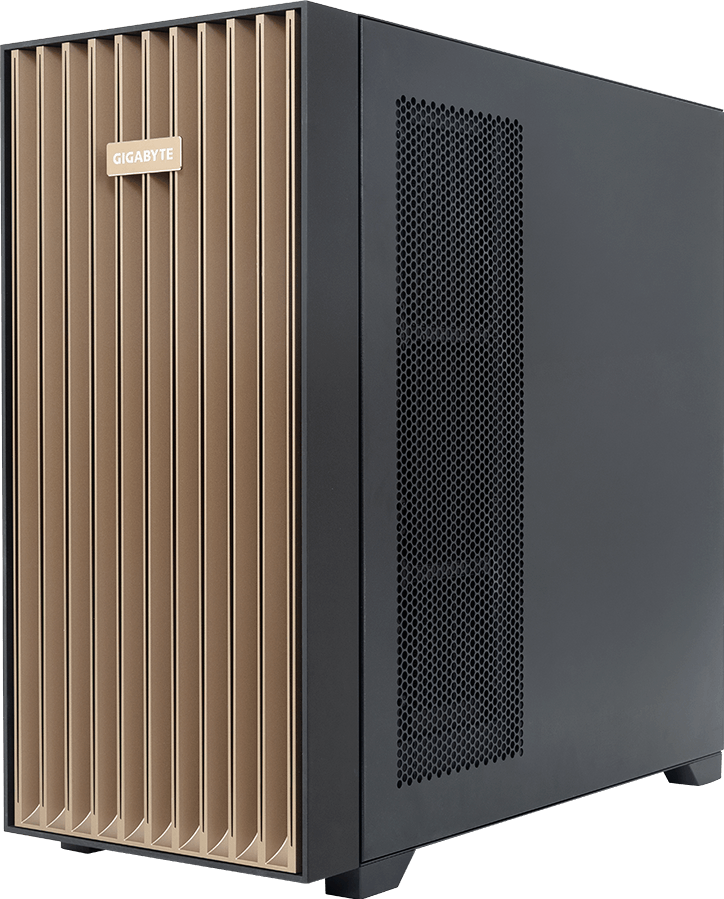
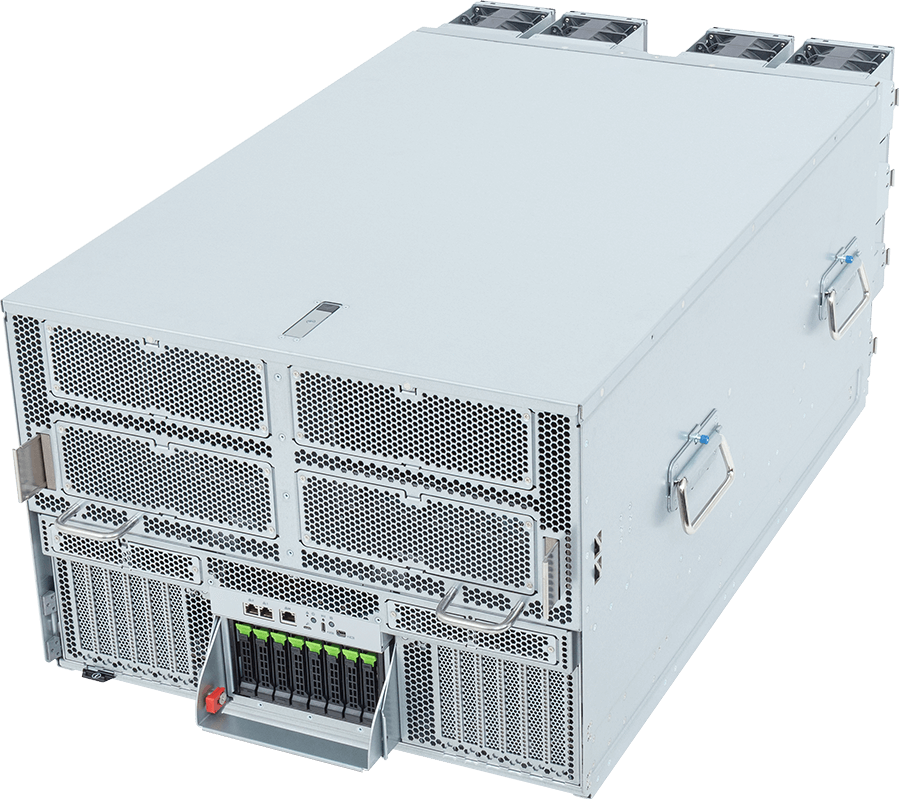
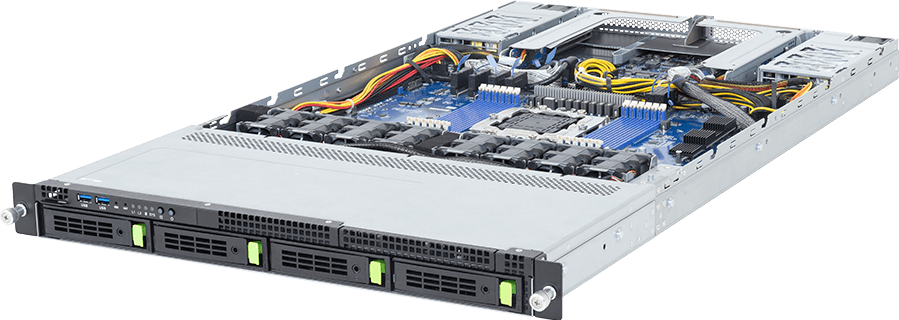
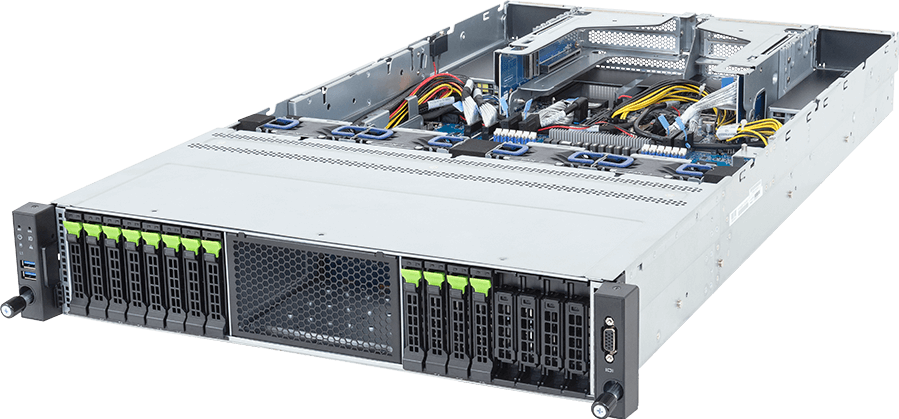
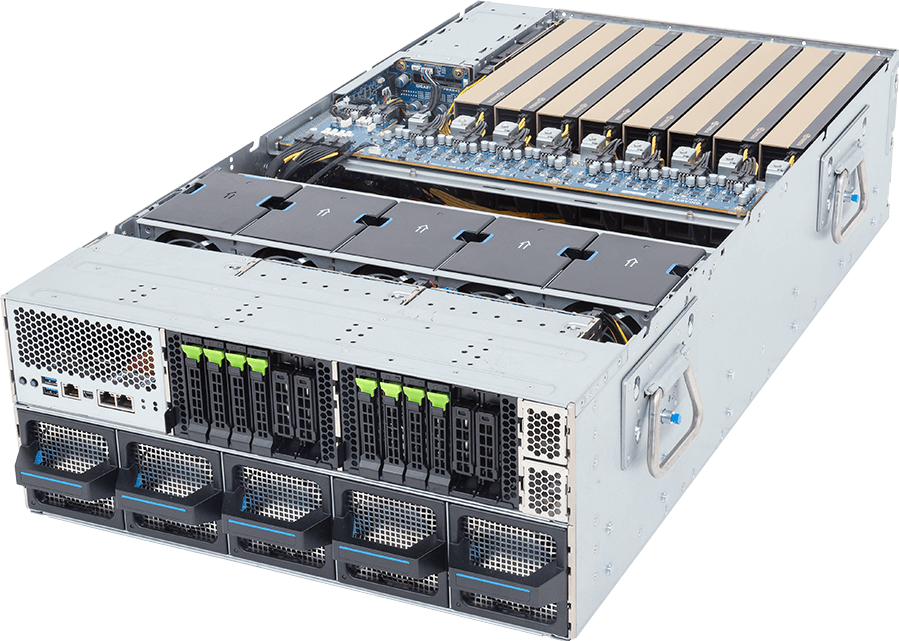
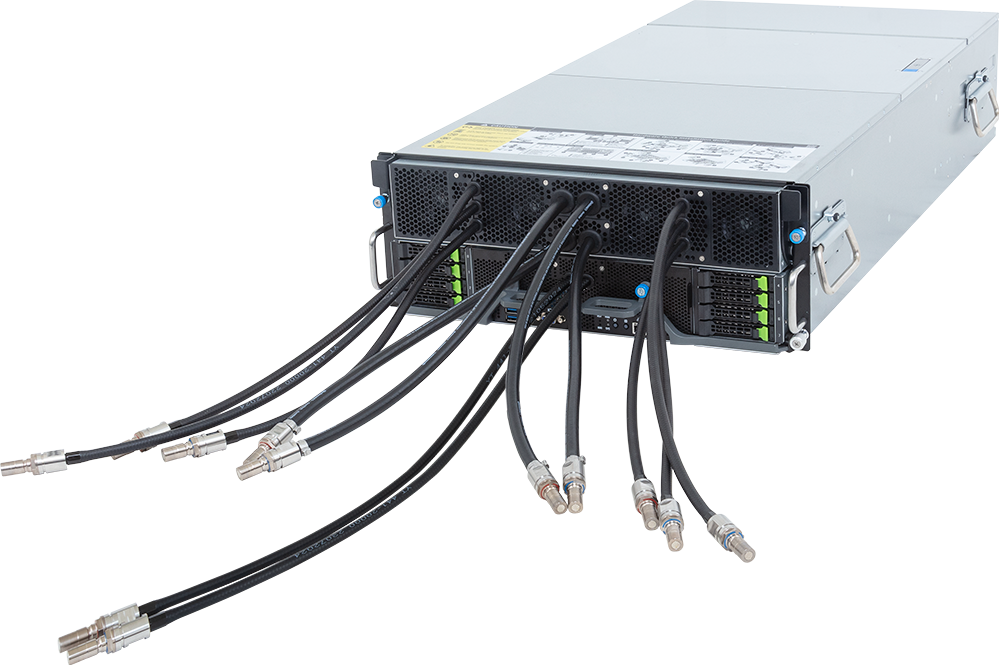
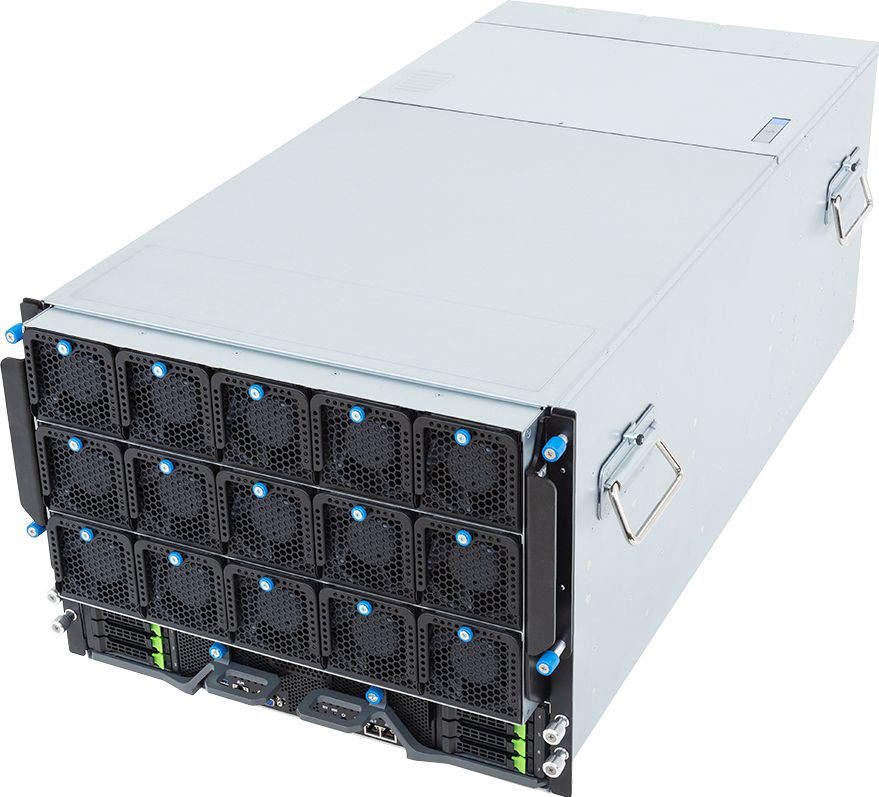
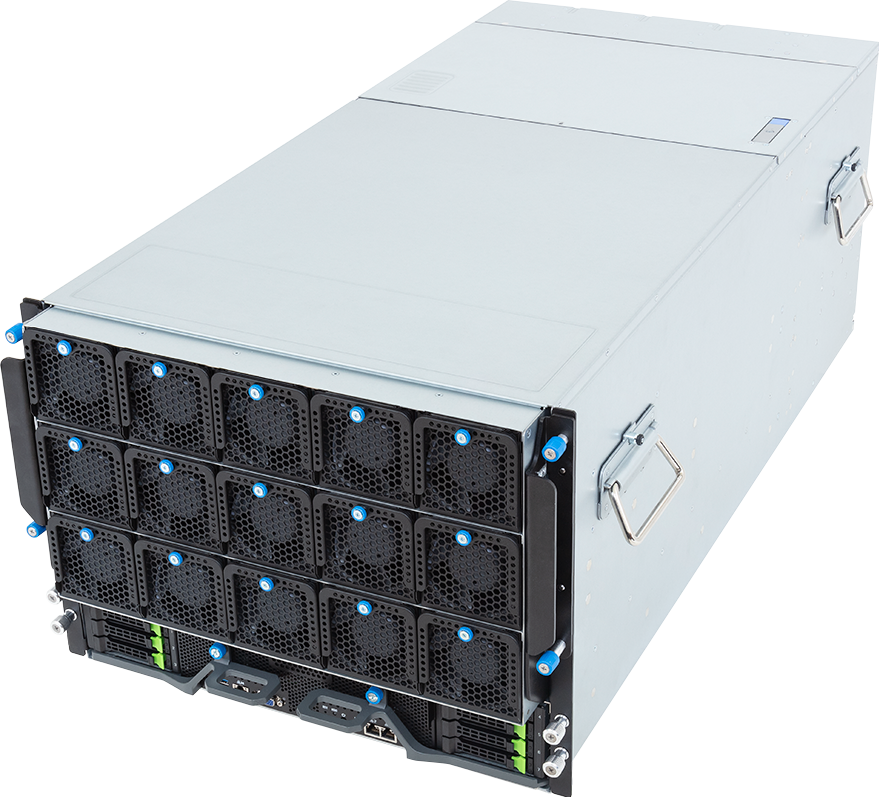
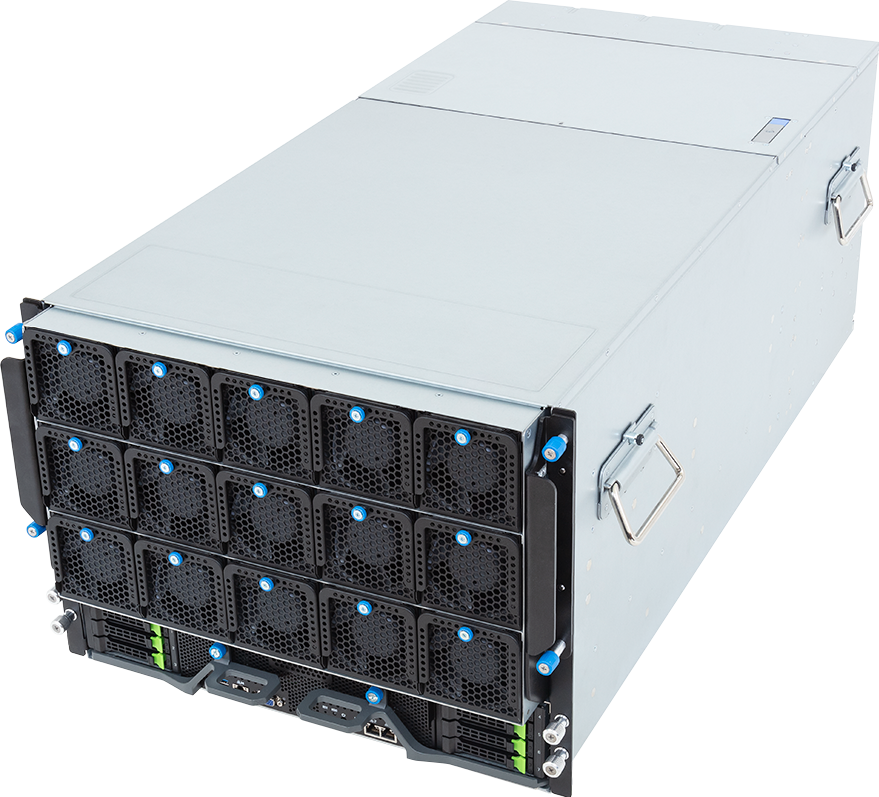
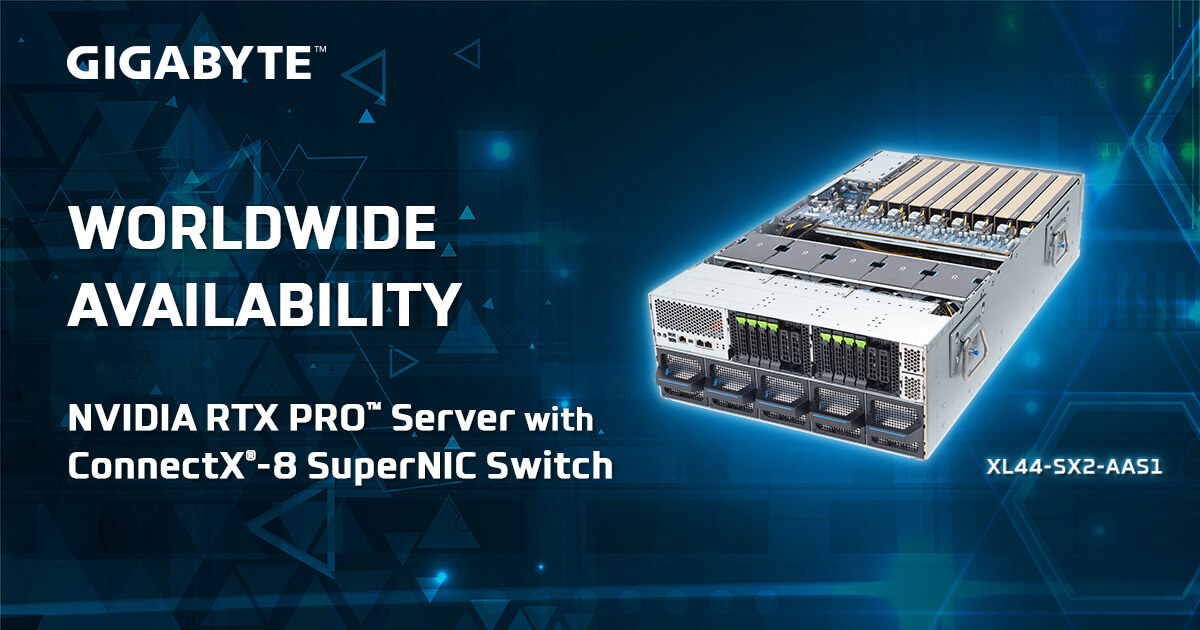
To fully leverage the potential of RAG, robust AI infrastructure is essential in addition to algorithms. This is where GIGABYTE excels. Whether it’s high-performance AI servers, workstations, or comprehensive data center solutions, GIGABYTE provides complete hardware and system support, enabling enterprises to rapidly deploy AI training and inference environments. This ensures a seamless workflow from data retrieval to intelligent reasoning, empowering organizations to integrate advanced generative AI with their own data and create high-value intelligent applications.