View complete spec list
Graphics Card Comparison
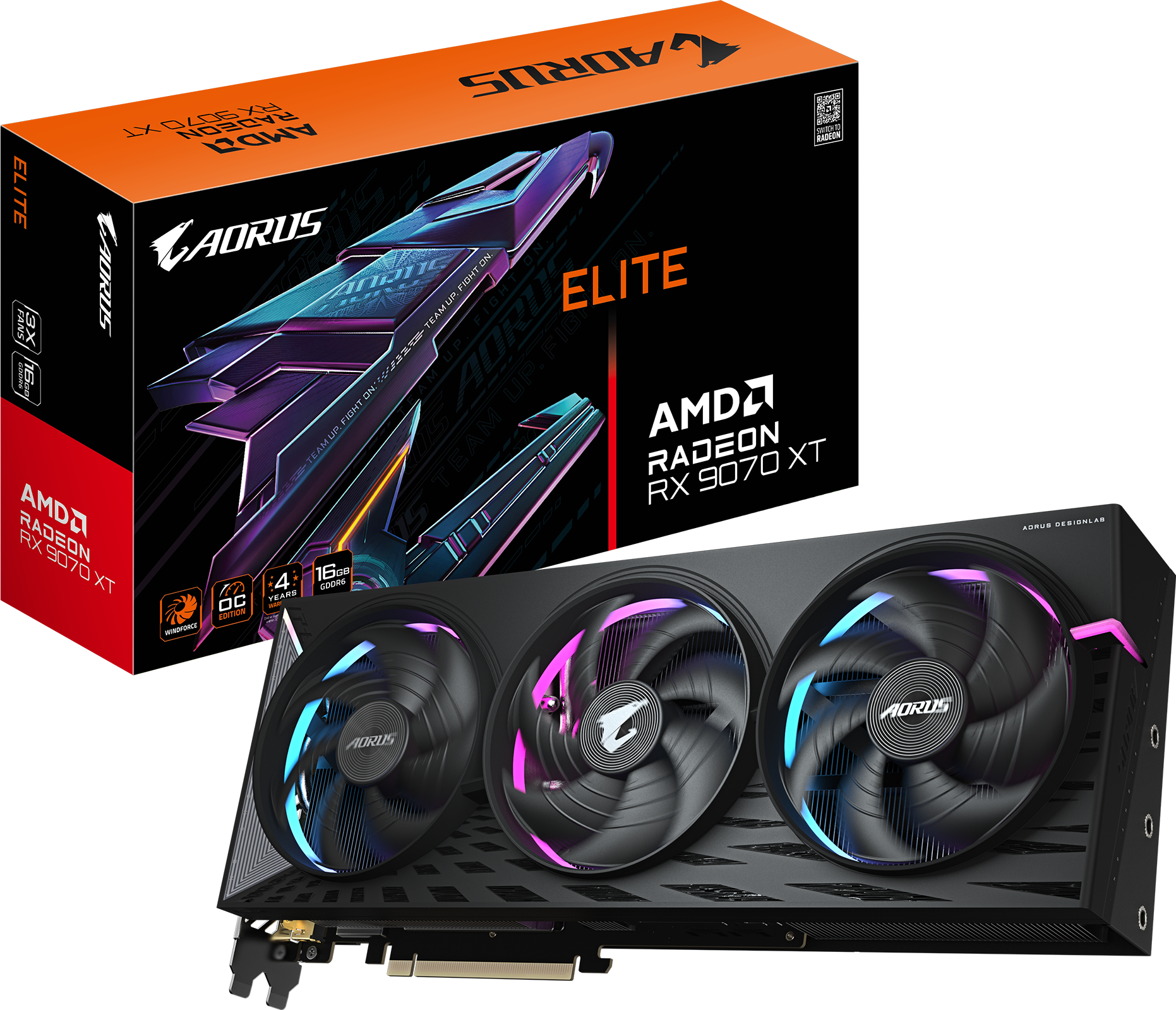
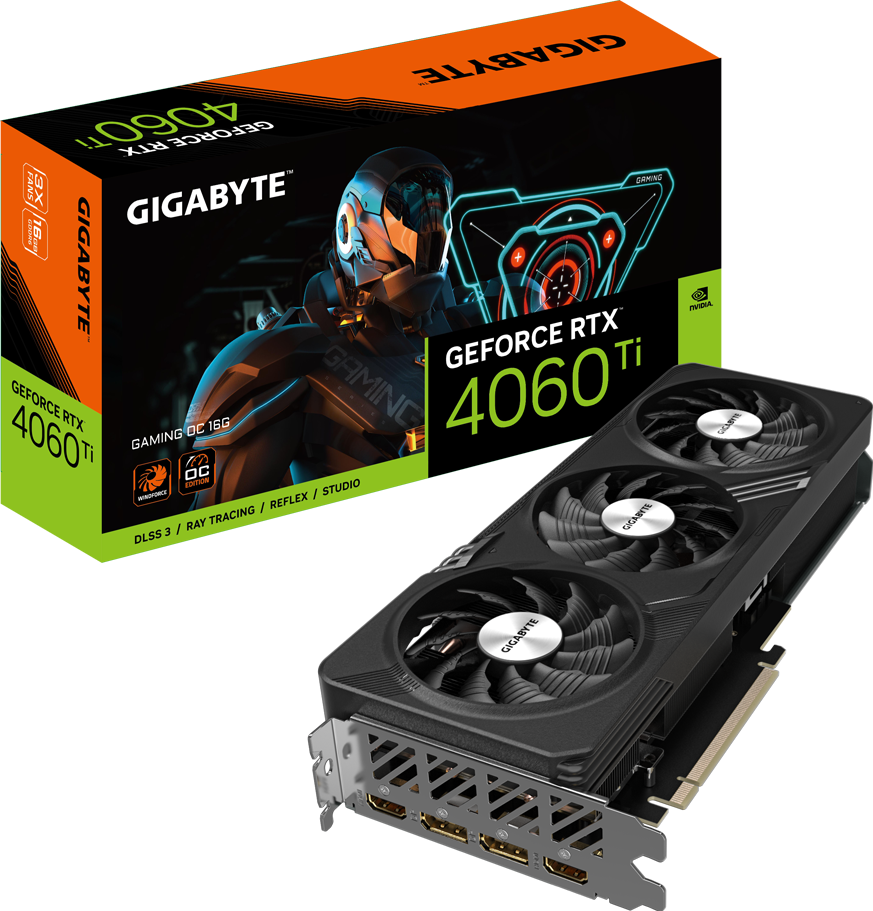
- Quick Navigate
- Graphics Processing
Graphics Processing
Radeon™ RX 9070 XTGeForce RTX™ 4060 Ti (16GB)- Core Clock
Core Clock
Boost Clock* : up to 3100 MHz (Reference card: 2970 MHz)
Game Clock* : up to 2570 MHz (Reference card: 2400 MHz)2595 MHz (Reference card: 2535 MHz)- Stream Processors
Stream Processors
4096- CUDA® Cores
CUDA® Cores
4352- Memory Clock
Memory Clock
20 Gbps18 Gbps- Memory Size
Memory Size
16GB16GB- Memory Type
Memory Type
GDDR6GDDR6- Memory Bus
Memory Bus
256 bit128 bit- Card Bus
Card Bus
PCI-E 5.0PCI-E 4.0- Digital max resolution
Digital max resolution
7680x43207680 x 4320- Multi-view
Multi-view
44- Card size
Card size
L=339 W=136 H=59 mmL=281 W=117 H=53 mm- PCB Form
PCB Form
ATXATX- DirectX
DirectX
DirectX 12 API12 Ultimate- OpenGL
OpenGL
4.64.6- Recommended PSU
Recommended PSU
850W500W- Power Connectors
Power Connectors
8 pin*38 pin*1- Output
Output
DisplayPort 2.1a *2
HDMI 2.1b *2DisplayPort 1.4a*2
HDMI 2.1a*2- Accessories
Accessories
1. Quick guide
2. Warranty registration
3. AORUS metal sticker
4. Versatile VGA holder
5. Versatile VGA holder manualQuick guide- Note
Note
* “Boost Clock” is the maximum frequency achievable on the GPU running a bursty workload. Boost clock achievability, frequency, and sustainability will vary based on several factors, including but not limited to: thermal conditions and variation in applications and workloads. GD-151
* “Game Clock” is the expected GPU clock when running typical gaming applications, set to typical TGP (Total Graphics Power). Actual individual game clock results may vary. GD-147