CISC (Complex Instruction Set Computer)
What is it?
Whereas RISC stands for "Reduced Instruction Set Computer", CISC stands for "Complex Instruction Set Computer". Both CISC and RISC can be understood as different "schools of thought" about how a processor's instruction set architecture (ISA, or just architecture) is designed. Architecture determines how a processor (such as a CPU or GPU) carries out instructions, the types of data and registers it supports, how it manages memory and interacts with other devices. CISC supports complex instructions that can be carried out across multiple clock cycles, while RISC must use simple instructions that can be executed within a single cycle.
To use a simple verbal command as an example, if you ask your computer to open a door, a RISC processor will require you to spell out every step of the process (e.g., grab the doorknob, turn the doorknob, push or pull the door, etc.); on the other hand, a CISC processor understands your command without further explanation. Though the computing time of both types of processors are around the same, the CISC approach can work with much smaller code sizes, so it doesn't require as much memory to store all the extra lines of instructions. Because of this, CISC is still the mainstream approach for personal computers, servers, and data centers, while RISC is mainly used in mobile devices—although recently, it has staged a comeback in the server market.
To use a simple verbal command as an example, if you ask your computer to open a door, a RISC processor will require you to spell out every step of the process (e.g., grab the doorknob, turn the doorknob, push or pull the door, etc.); on the other hand, a CISC processor understands your command without further explanation. Though the computing time of both types of processors are around the same, the CISC approach can work with much smaller code sizes, so it doesn't require as much memory to store all the extra lines of instructions. Because of this, CISC is still the mainstream approach for personal computers, servers, and data centers, while RISC is mainly used in mobile devices—although recently, it has staged a comeback in the server market.
Why do you need it?
The design philosophy of CISC processors is to build the complexity into the CPU, so the computing process would not be so taxing on the software and other hardware components. This allows CISC processors to tackle complex workloads very quickly and efficiently, and they can benefit from a technique known as multithreading. The predominant type of CSIC processors is known as "x86", named after a series of Intel processors launched in the 1980s. To this day, there are still only two major players in the x86 market: Intel and AMD.
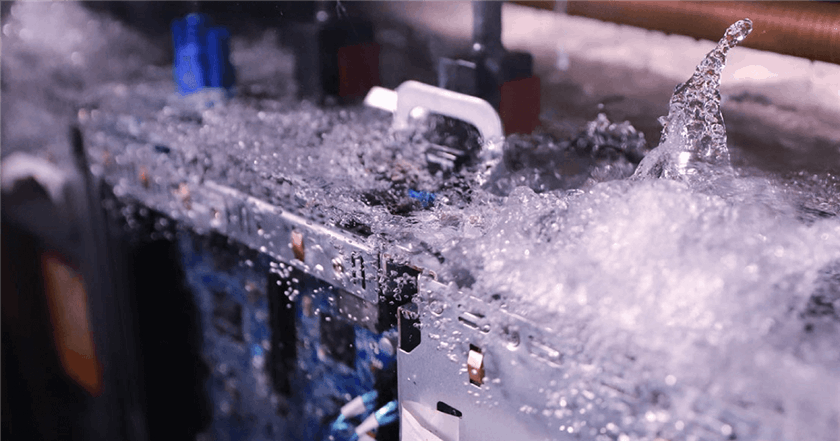
In addition to the inherent benefits of CISC, x86 processors enjoy a complete and comprehensive software and hardware ecosystem, thanks in part to Intel and AMD's long years of investing in PC. While the champion of the RISC architecture, the ARM processor, has been making inroads into the server market, x86 is still ubiquitous in today's server rooms and IT infrastructure. Innovative new techniques, such as liquid cooling and immersion cooling, have been invented to help deal with the relatively high power consumption and heat dissipation of CISC machines.
In addition to the inherent benefits of CISC, x86 processors enjoy a complete and comprehensive software and hardware ecosystem, thanks in part to Intel and AMD's long years of investing in PC. While the champion of the RISC architecture, the ARM processor, has been making inroads into the server market, x86 is still ubiquitous in today's server rooms and IT infrastructure. Innovative new techniques, such as liquid cooling and immersion cooling, have been invented to help deal with the relatively high power consumption and heat dissipation of CISC machines.
How is GIGABYTE helpful?
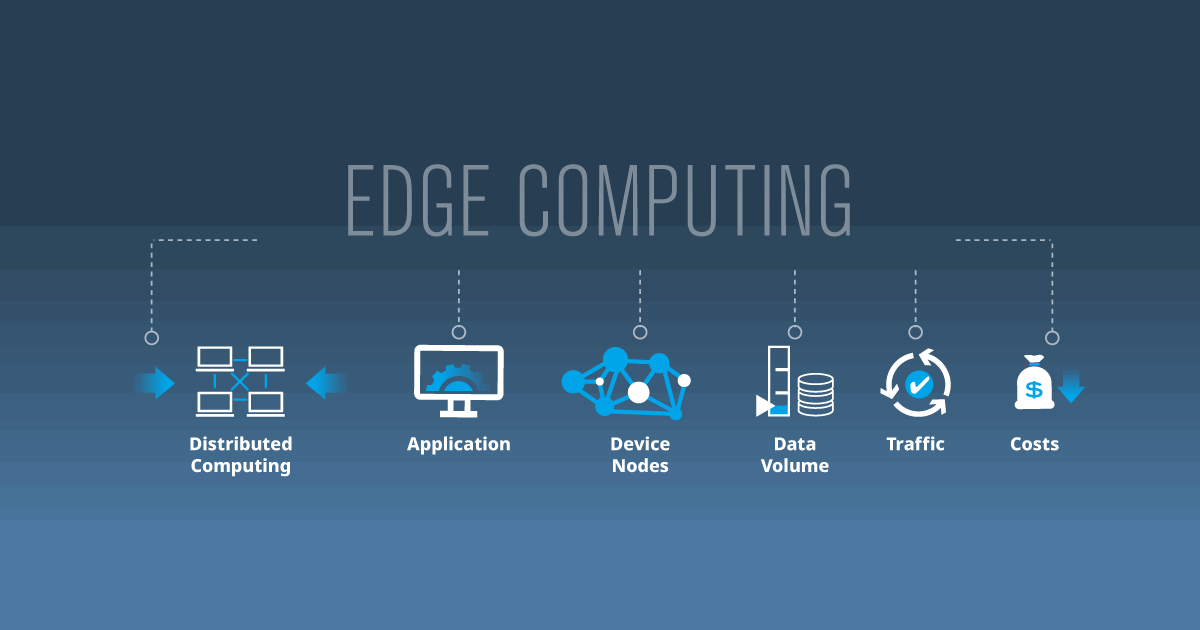
GIGABYTE Technology offers a complete line of x86 servers powered by either AMD EPYC™ or Intel® Xeon® Scalable processors. You can choose our E-Series Edge Servers for edge computing, G-Series GPU Servers for work with GPGPUs, H-Series High Density Servers for HCI and HPC, R-Series Rack Servers for general use, or S-Series Storage Servers for data storage. There are also W-Series Tower Servers / Workstations if you want a compact and powerful server that fits right on your desktop. GIGABYTE also partners with various industry leaders to offer "direct-to-chip" liquid cooling, single-phase immersion cooling, and two-phase immersion cooling. These groundbreaking thermal solutions can help you manage the energy consumption and heat dissipation of the most advanced CISC processors.