RISC

What is it?

RISC stands for "Reduced Instruction Set Computer"; you may have heard this term mentioned in comparison to CISC ("Complex Instruction Set Computer"). Both RISC and CISC can be seen as different "schools of thought" about how to design a processor's instruction set architecture (ISA), or architecture for short. An architecture determines how a computer carries out instructions, what types of data and registers it supports, how it manages memory, and how it interacts with other devices. The component that actually embodies the architecture in a computer is the familiar processing unit, such as the CPU or GPU. The RISC approach is to build an architecture which uses simple instructions that can be executed within a single clock cycle; as opposed to the CISC approach, which allows for complex instructions that must be carried out across a number of cycles.

Let's use a simple verbal command as an example. Say you want to ask your computer to open a door. A CISC processor understands the command in its entirety and can carry out your order without further elaboration. A RISC processor, on the other hand, needs you to spell out every step of your command: one, grasp the doorknob; two, twist the doorknob; three, push (or pull) the door open...A RISC processor does not actually need more time than a CISC processor to execute a command, it just needs a different set of software to work with the relatively longer length of its computer codes.

Why do you need it?

CISC gained prominence in the mid-twentieth century due to the memory limitations and other restrictive factors of the time. The idea was to build the complexity into the CPU to lessen the burden on other components and the software. However, memory capacity and software complexity has since caught up with the trend. In the early 21st century, RISC experienced a resurgence thanks to the proliferation of mobile devices, which benefit greatly from the lower power draw (and consequently, lower heat dissipation) of RISC processors. In fact, ARM processors, which are based on the RISC architecture, has become the most popular computer chip on the planet, with 200 billion ARM chips shipped between 1985 and 2021. ARM processors are even used in "Fugaku", the world's leading supercomputer, and there is an ongoing debate about whether RISC or CISC will be predominant in the servers and data centers of the future.


Learn more:
How to Build Your Data Center with GIGABYTE? A Free Downloadable Tech Guide

How is GIGABYTE helpful?

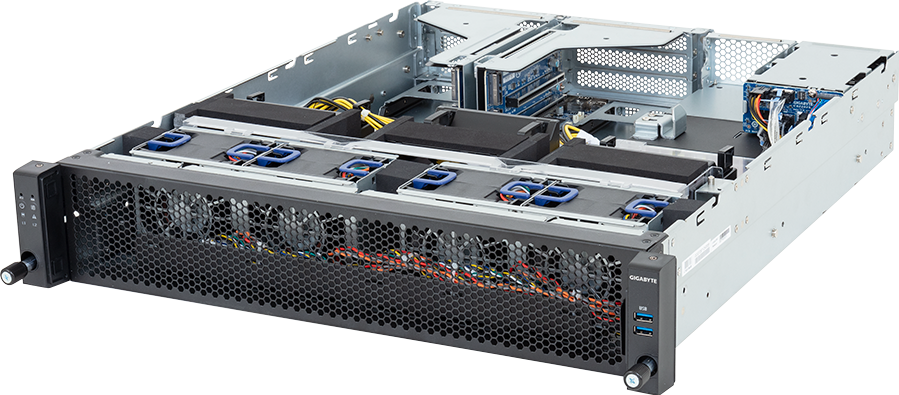
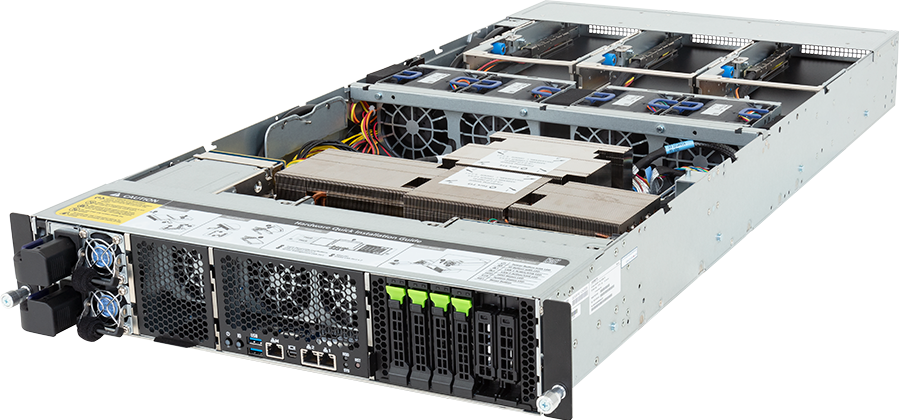
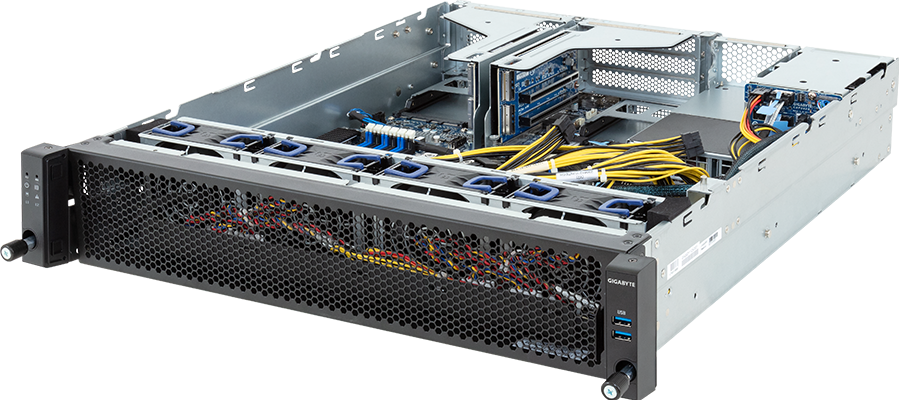
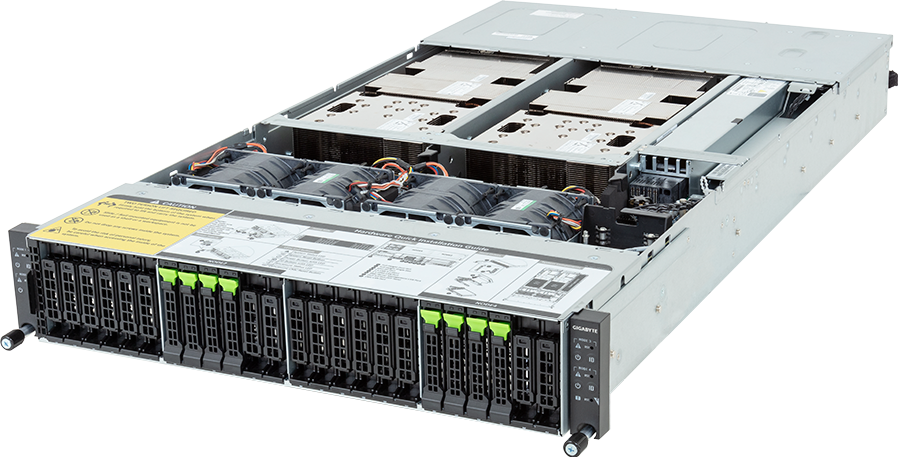
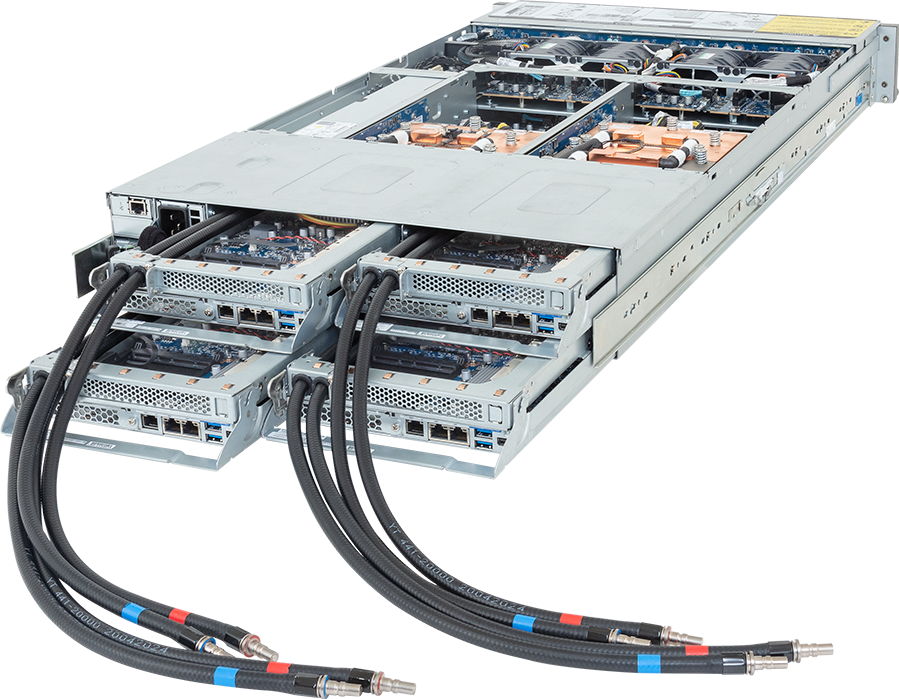
Since 2013, GIGABYTE Technology has developed and produced ARM-based server solutions, which employ the RISC architecture. Through the years, GIGABYTE has developed a common design of ARM servers, which means GIGABYTE can quickly build new server products for specific applications. Whether it is the R-Series Rack Servers for general use, the G-Series GPU Servers for use with GPGPUs, the H-Series High Density Servers for HCI, HPC, and cluster computing, or the E-Series Edge Servers for edge computing, GIGABYTE has the ARM servers you need to benefit from RISC in your server room or server farm.
Recommended Reading

The Advantages of ARM: From Smartphones to Supercomputers and Beyond
Article

The Advantages of ARM: From Smartphones to Supercomputers and Beyond

Processors based on the ARM architecture, an alternative to the mainstream x86 architecture, is gradually making the leap from mobile devices to servers and data centers. In this Tech Guide, GIGABYTE Technology, an industry leader in high-performance server solutions, recounts how ARM was developed. We also explain the various benefits of ARM processors and recommend ARM servers for different sectors and applications.
Server Processors: The Core of a Server’s Performance
Article

Server Processors: The Core of a Server’s Performance

How do server processors work? In which ways are they different from the processors used in personal computers? Which processors should you choose for your servers? GIGABYTE Technology, an industry leader in server solutions that support the most advanced processors, is pleased to present our latest Tech Guide. We will go over the fundamentals of server processors, compare the differences between various types of processors, and then present GIGABYTE products that may help you achieve your goals with the CPUs most suitable for your needs.
6 Key Knowledge to Build the Power of Computing for Your Business
Article

6 Key Knowledge to Build the Power of Computing for Your Business

Digitalization is the first strategy in technology for today's enterprises to stay ahead of others. To develop core business and conduct daily operations, enterprises need IT systems and computing power to store, process, manage and analyze the large amounts of data generated and collected every day. This guide will take you from understanding the relevant definitions of data centers to the functions of servers that are often deployed in modern popular technologies such as high performance computing (HPC), 5G, and artificial intelligence (AI).
What is a Server? A Tech Guide by GIGABYTE
Article

What is a Server? A Tech Guide by GIGABYTE

In the modern age, we enjoy an incredible amount of computing power—not because of any device that we own, but because of the servers we are connected to. They handle all our myriad requests, whether it is to send an email, play a game, or find a restaurant. They are the inventions that make our intrinsically connected age of digital information possible. But what, exactly, is a server? GIGABYTE Technology, an industry leader in high-performance servers, presents our latest Tech Guide. We delve into what a server is, how it works, and what exciting new breakthroughs GIGABYTE has made in the field of server solutions.
Setting the Record Straight: What is HPC? A Tech Guide by GIGABYTE
Article

Setting the Record Straight: What is HPC? A Tech Guide by GIGABYTE

The term HPC, which stands for high performance computing, gets thrown around a lot nowadays, as server solutions become more and more ubiquitous. It is running the risk of becoming a catchall phrase: anything that is “HPC” must be the right choice for your computing needs. You may be wondering: what exactly are the benefits of HPC, and is HPC right for you? GIGABYTE Technology, an industry leader in high-performance servers, presents this tech guide to help you understand what HPC means on both a theoretical and a practical level. In doing so, we hope to help you evaluate if HPC is right for you, while demonstrating what GIGABYTE has to offer in the field of HPC.
What is Private Cloud, and is it Right for You?
Article

What is Private Cloud, and is it Right for You?

In the era of cloud computing, just about everyone has heard of the terms “private cloud” and “public cloud”. Chances are, you are using one or both of them in your everyday life—but how much do you really know about them? If you had the chance, could you build a private cloud for yourself or your organization? GIGABYTE Technology, an industry leader in server solutions used by global cloud service providers, is pleased to present our latest Tech Guide. We will examine the difference between private and public clouds, introduce the private cloud’s advantages and limitations, and then introduce GIGABYTE products that may help you build and operate a private cloud of your own.
CPU vs. GPU: What's the Difference and Which Do You Need
Article

CPU vs. GPU: What's the Difference and Which Do You Need

Besides the central processing unit (CPU), the graphics processing unit (GPU) is also an important part of a high-performing server. Do you know how a GPU works and how it is different from a CPU? Do you know the best way to make them work together to deliver unrivalled processing power? GIGABYTE Technology, an industry leader in server solutions that support the most advanced processors, is pleased to present our latest Tech Guide. We will explain the differences between CPUs and GPUs; we will also introduce GIGABYTE products that will help you inject GPU computing into your server rooms and data centers.
Ampere® Altra® and Altra® Max Servers

Ampere® Altra® and Altra® Max Servers

Single or Dual Socket Chip with High Core Count for Cloud, HPC, and Edge Computing
4th Gen AMD EPYC Solutions

4th Gen AMD EPYC Solutions

Compute Leadership for the Exascale Era