1. Home
  2. Glossary
  3. Distributed Computing

Distributed Computing

What is it?

Distributed computing refers to a model in which different components of a software are run on multiple computers but operate as a single system. For example, every time you search for something through a web browser, your request is actually being handled by different servers in different locations, each preparing its response independent of each other. The results are then aggregated and shown to you on your original device, with you being none the wiser about how many servers had succeeded—or failed—to help you find your results. This is the power of distributed computing: it allows one computer to benefit from the resources of other computers, while preventing the failure of any one computer from jeopardizing the entire assignment.

It should be noted that while distributed computing is the umbrella term encompassing other similar concepts, such as parallel computing and grid computing, the methods are different. Parallel computing implies a much greater level of coordination and resource-sharing between each node, while grid computing tends to be more heterogeneous and involves computers that are only loosely connected. Which form of distributed computing is suitable for you depends largely on the task you need to accomplish.

Why do you need it?

The benefits of distributed computing can best be summed up in that old adage: "don't put all your eggs in one basket." Distributed computing has the advantage of offering cost-effective redundancy, since a large number of smaller computers can work together to achieve a common goal, and the failure of any one computer will not impact the whole. Scalability is also much better when utilizing distributed computing, since new nodes can be added or removed as needed. If parallel computing is employed to direct a large amount of computing resources towards one single goal, this may achieve the level of HPC (high performance computing).

How is GIGABYTE helpful?

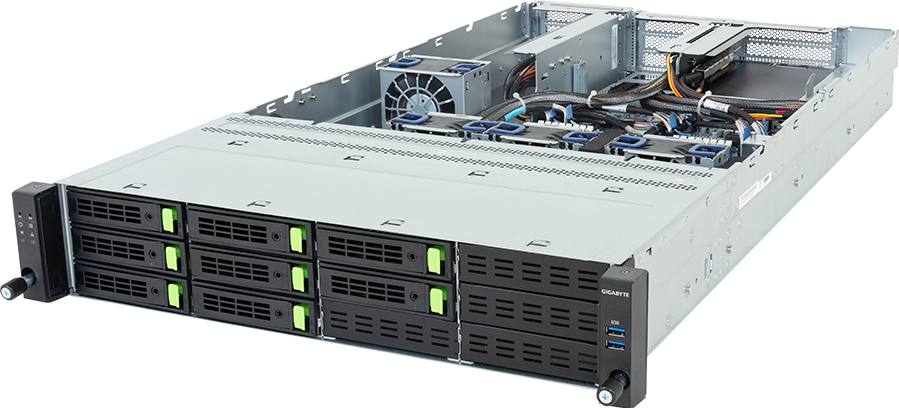
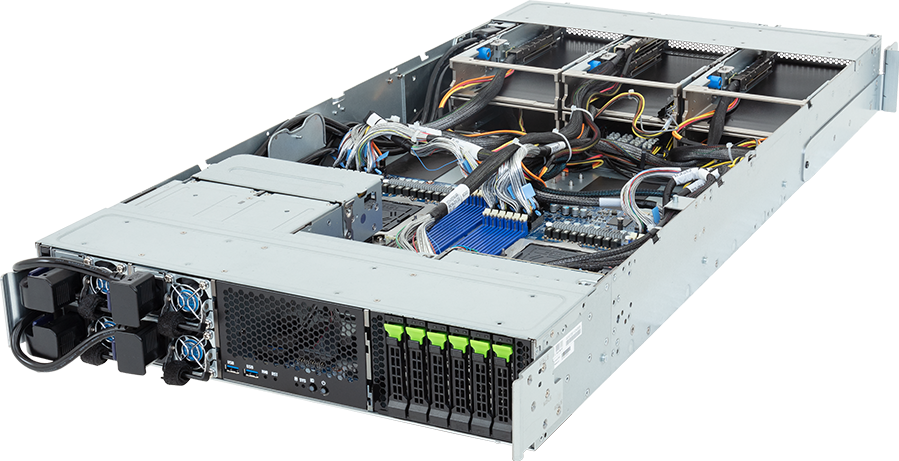
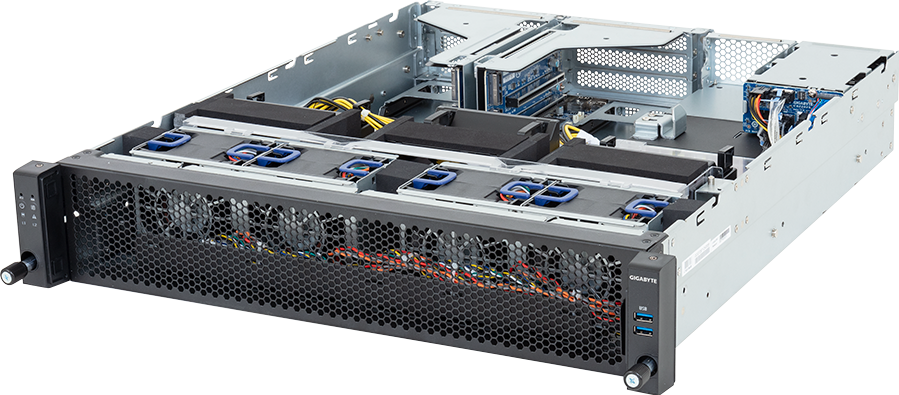
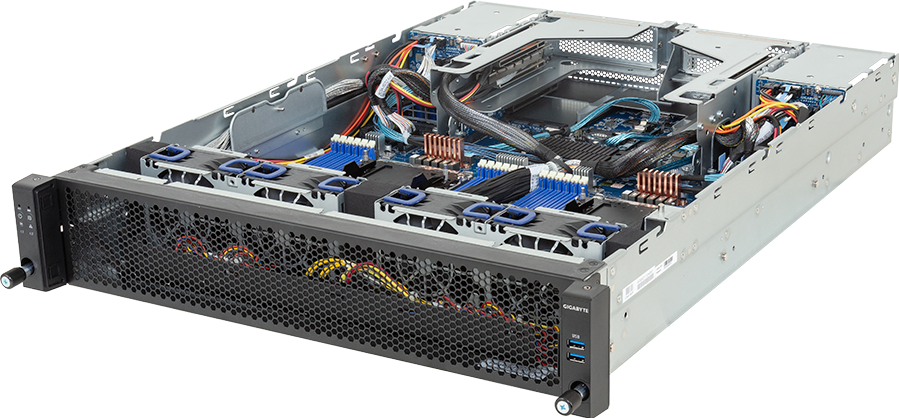
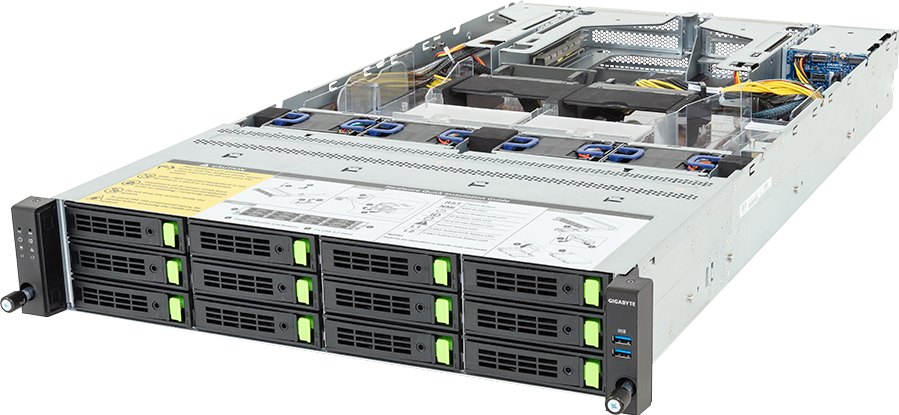
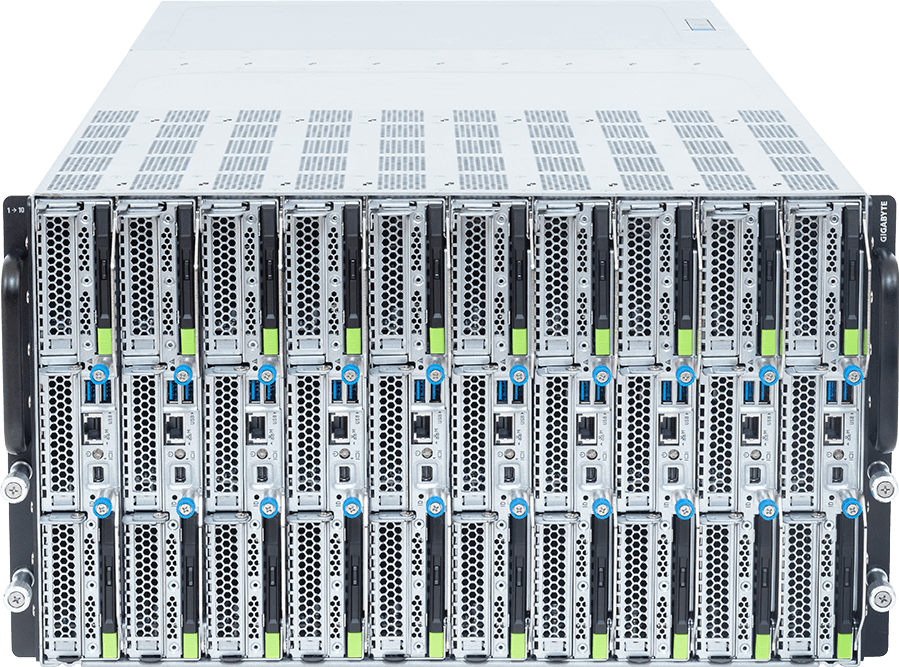
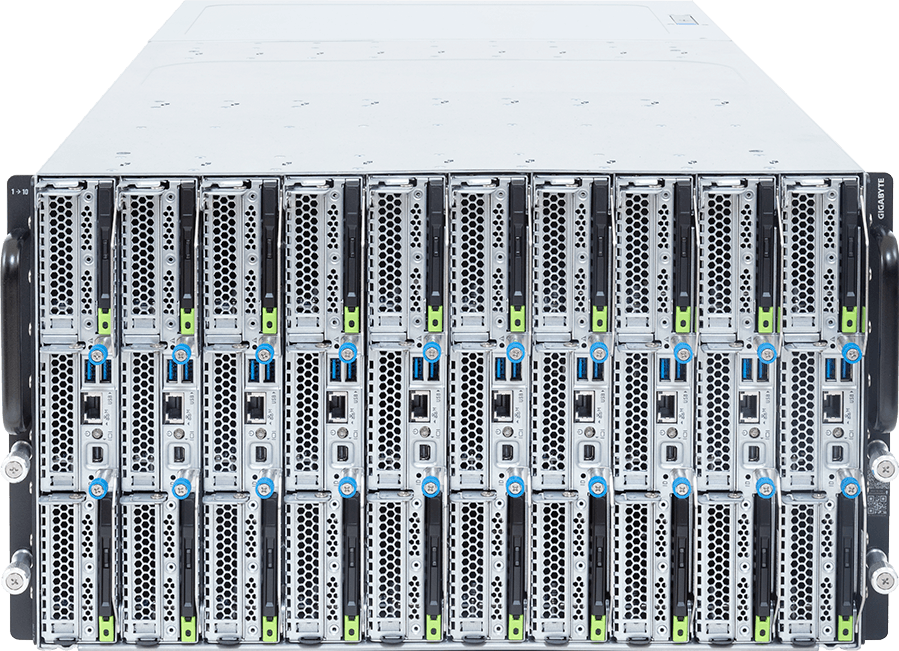
By its very definition, distributed computing relies on a large number of servers serving different functions. This is GIGABYTE's specialty. If you are looking for servers suitable for parallel computing, G-Series GPU Servers may be ideal for you, because they can combine the advantages of CPUs and GPGPUs through heterogeneous computing to achieve superb results. Other noteworthy product lines include the H-Series High Density Servers, which can house a large number of nodes in compact form factors; the R-Series Rack Servers, which are versatile and can help fill the gaps in your distributed computing system; and the S-Series Storage Servers, which are often used in large numbers in the storage node of a computing cluster or server farm. In cloud computing, the distribution of computing tasks between data centers on the cloud and edge computing devices can also be seen as a form of distributed computing. GIGABYTE's solution for this scenario is the E-Series Edge Servers, which was designed to help expand coverage on the periphery of the network.
Recommended Reading

6 Key Knowledge to Build the Power of Computing for Your Business
Article

6 Key Knowledge to Build the Power of Computing for Your Business

Digitalization is the first strategy in technology for today's enterprises to stay ahead of others. To develop core business and conduct daily operations, enterprises need IT systems and computing power to store, process, manage and analyze the large amounts of data generated and collected every day. This guide will take you from understanding the relevant definitions of data centers to the functions of servers that are often deployed in modern popular technologies such as high performance computing (HPC), 5G, and artificial intelligence (AI).
The Advantages of ARM: From Smartphones to Supercomputers and Beyond
Article

The Advantages of ARM: From Smartphones to Supercomputers and Beyond

Processors based on the ARM architecture, an alternative to the mainstream x86 architecture, is gradually making the leap from mobile devices to servers and data centers. In this Tech Guide, GIGABYTE Technology, an industry leader in high-performance server solutions, recounts how ARM was developed. We also explain the various benefits of ARM processors and recommend ARM servers for different sectors and applications.
Server Processors: The Core of a Server’s Performance
Article

Server Processors: The Core of a Server’s Performance

How do server processors work? In which ways are they different from the processors used in personal computers? Which processors should you choose for your servers? GIGABYTE Technology, an industry leader in server solutions that support the most advanced processors, is pleased to present our latest Tech Guide. We will go over the fundamentals of server processors, compare the differences between various types of processors, and then present GIGABYTE products that may help you achieve your goals with the CPUs most suitable for your needs.
3rd Gen Intel Xeon Scalable Server Solutions

3rd Gen Intel Xeon Scalable Server Solutions

GIGABYTE servers and Intel Xeon Scalable Processors deliver incredible UP/DP performance from edge to data center with incredible gains in I/O throughput and workload demands that need high performing CPUs with large, optimized, memory configurations.
CPU vs. GPU: What's the Difference and Which Do You Need
Article

CPU vs. GPU: What's the Difference and Which Do You Need

Besides the central processing unit (CPU), the graphics processing unit (GPU) is also an important part of a high-performing server. Do you know how a GPU works and how it is different from a CPU? Do you know the best way to make them work together to deliver unrivalled processing power? GIGABYTE Technology, an industry leader in server solutions that support the most advanced processors, is pleased to present our latest Tech Guide. We will explain the differences between CPUs and GPUs; we will also introduce GIGABYTE products that will help you inject GPU computing into your server rooms and data centers.
To Empower Scientific Study, NTNU Opens Center for Cloud Computing
Article

To Empower Scientific Study, NTNU Opens Center for Cloud Computing

High performance computing has a critical role to play in modern-day scientific research. The College of Science at Taiwan Normal University anticipated the importance and rapid development of HPC. It purchased GIGABYTE servers to establish the Center for Cloud Computing on its campus, with an eye toward completing research projects more quickly and cultivating professionally trained experts in the field.
Cluster Computing: An Advanced Form of Distributed Computing
Article

Cluster Computing: An Advanced Form of Distributed Computing

Cluster computing is a form of distributed computing that is similar to parallel or grid computing, but categorized in a class of its own because of its many advantages, such as high availability, load balancing, and HPC. GIGABYTE Technology, an industry leader in high-performance servers, presents this tech guide to help you learn about cluster computing. We also recommend GIGABYTE servers that can help you benefit from cluster computing.
What is a Server? A Tech Guide by GIGABYTE
Article

What is a Server? A Tech Guide by GIGABYTE

In the modern age, we enjoy an incredible amount of computing power—not because of any device that we own, but because of the servers we are connected to. They handle all our myriad requests, whether it is to send an email, play a game, or find a restaurant. They are the inventions that make our intrinsically connected age of digital information possible. But what, exactly, is a server? GIGABYTE Technology, an industry leader in high-performance servers, presents our latest Tech Guide. We delve into what a server is, how it works, and what exciting new breakthroughs GIGABYTE has made in the field of server solutions.
4th Gen AMD EPYC Solutions

4th Gen AMD EPYC Solutions

Compute Leadership for the Exascale Era
How to Benefit from AI  In the Healthcare & Medical Industry
Article

How to Benefit from AI In the Healthcare & Medical Industry

If you work in healthcare and medicine, take some minutes to browse our in-depth analysis on how artificial intelligence has brought new opportunities to this sector, and what tools you can use to benefit from them. This article is part of GIGABYTE Technology’s ongoing “Power of AI” series, which examines the latest AI trends and elaborates on how industry leaders can come out on top of this invigorating paradigm shift.