Server Room
What is it?
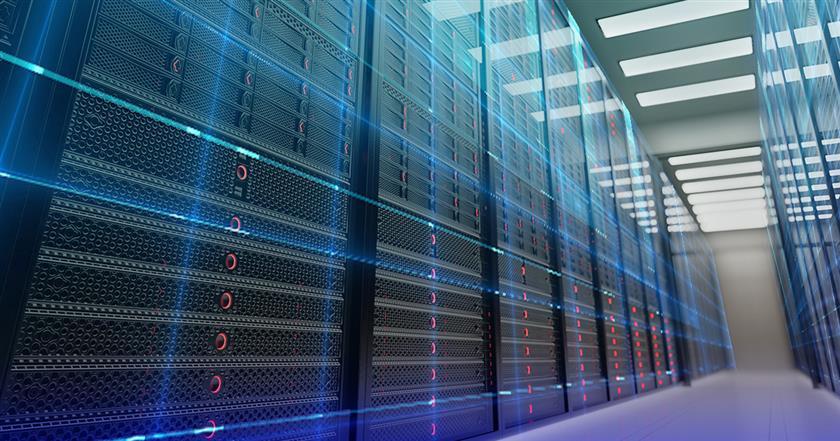
A server room is where enterprise servers are kept. It is usually outfitted with peripheral subsystems for cooling, ventilation, fire suppression, etc., to ensure stability and safety. A server room may be part of a larger data center, or it may be another name for the private data centers built by organizations to support operations. The collection of servers in a server room may fit the definition of a server farm; or the servers may be interconnected to form a computing cluster.
As with any data center, there are three core layers in a server room: computing, storage, and networking. The computing and storage layers consist of servers, which may be mounted on racks for easy access and to save space. The servers are operated remotely through the networking layer. An uninterruptible power supply (UPS) is usually installed to prevent disruptions, and there will be protocols for how to recover from a system crash, as well as data backup plans to ensure availability.
Learn more:
《What is a Server? A Tech Guide by GIGABYTE》
As with any data center, there are three core layers in a server room: computing, storage, and networking. The computing and storage layers consist of servers, which may be mounted on racks for easy access and to save space. The servers are operated remotely through the networking layer. An uninterruptible power supply (UPS) is usually installed to prevent disruptions, and there will be protocols for how to recover from a system crash, as well as data backup plans to ensure availability.
Learn more:
《What is a Server? A Tech Guide by GIGABYTE》
Why do you need it?
In the information age, most organizations use their own server room or "data center" to provide online resources and services. Whether or not you choose to benefit from public cloud providers, there are distinct advantages to building and maintaining your own server room:
- You control your organization's IT backbone, making it possible to achieve performance and cost-control goals, such as minimizing downtime and optimizing power usage.
- You can build a safe environment that protects your organization's data.
- You have the infrastructure to adopt the latest IT inventions, such as virtualization, high performance computing (HPC), and big data.
Of course, maintaining a server room is a long-term commitment. You will constantly upgrade and expand the server room to keep up with your organization's demands. Because of this, it is important to invest in the right solutions and draft a long-term plan from the start.
- You control your organization's IT backbone, making it possible to achieve performance and cost-control goals, such as minimizing downtime and optimizing power usage.
- You can build a safe environment that protects your organization's data.
- You have the infrastructure to adopt the latest IT inventions, such as virtualization, high performance computing (HPC), and big data.
Of course, maintaining a server room is a long-term commitment. You will constantly upgrade and expand the server room to keep up with your organization's demands. Because of this, it is important to invest in the right solutions and draft a long-term plan from the start.
How is GIGABYTE helpful?
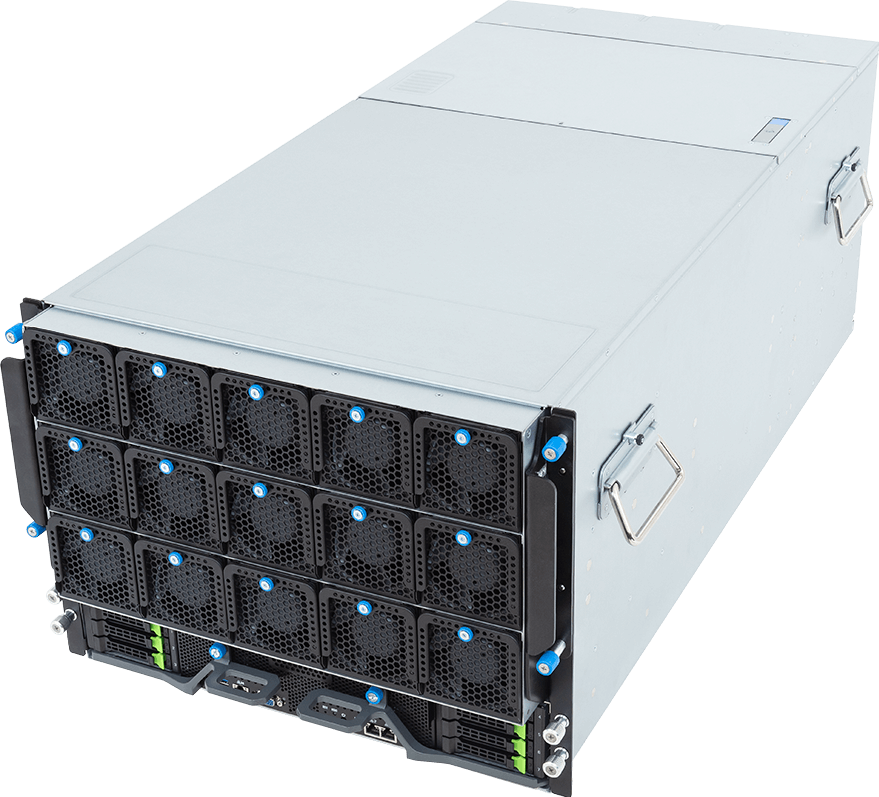
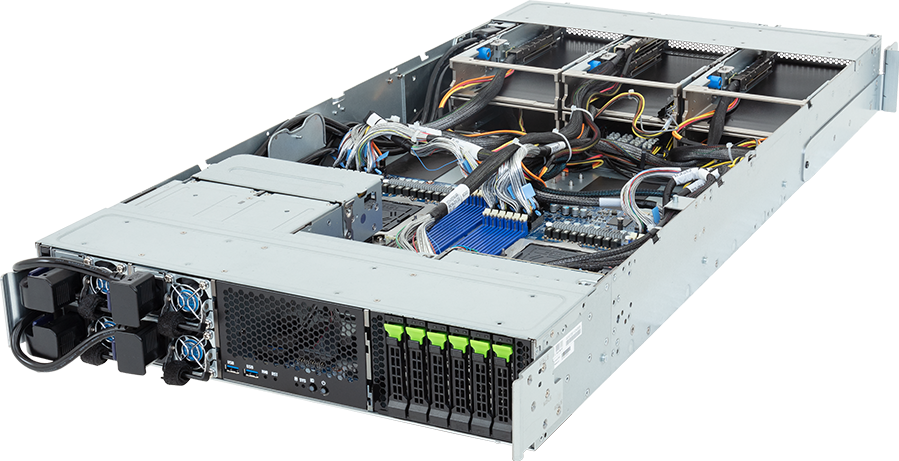
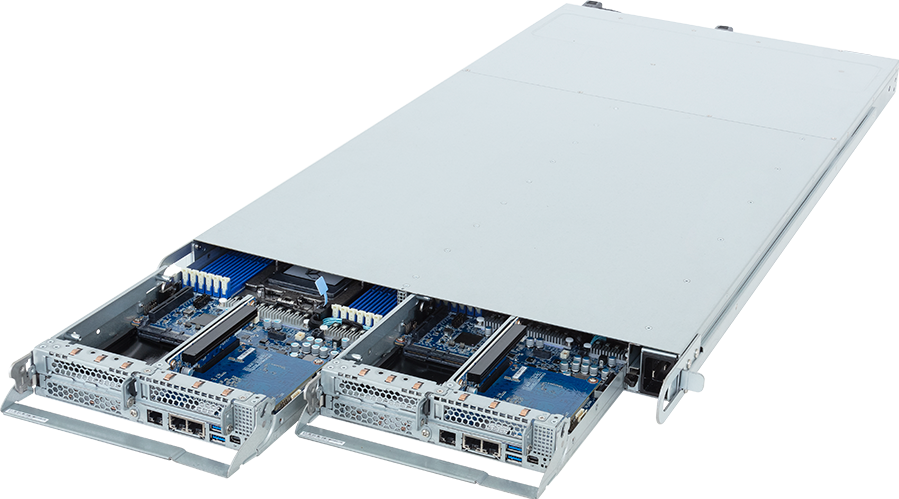
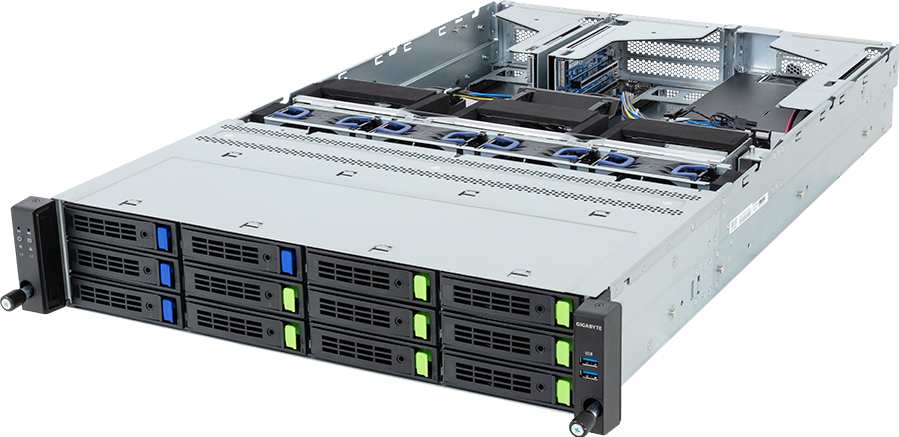
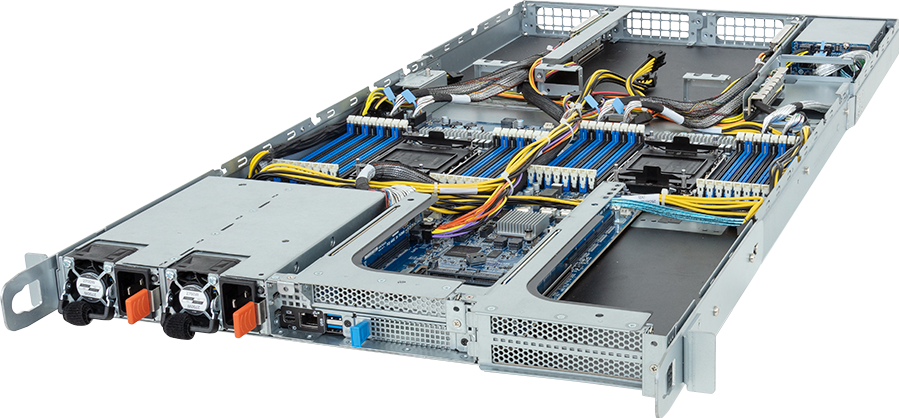
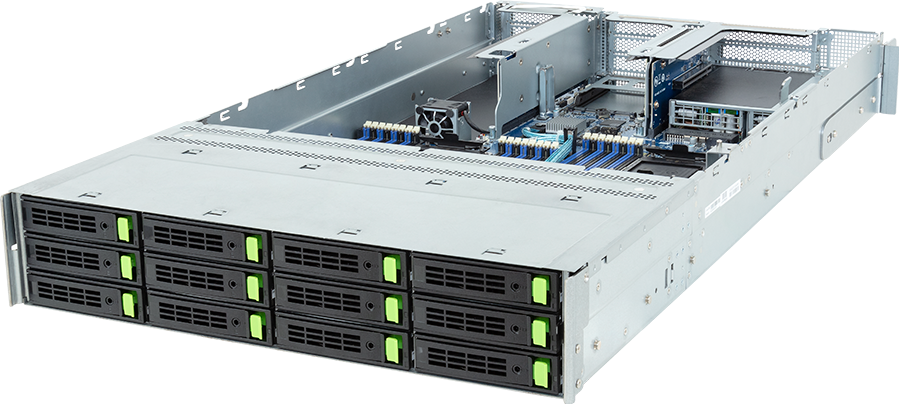
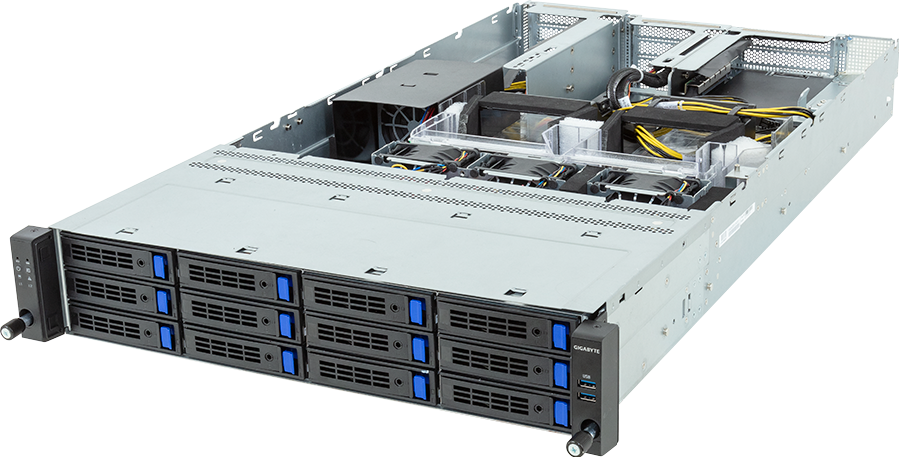
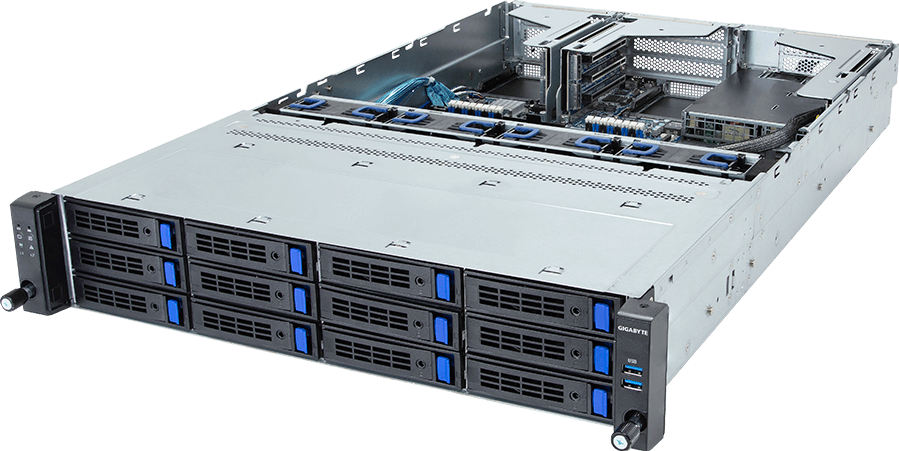
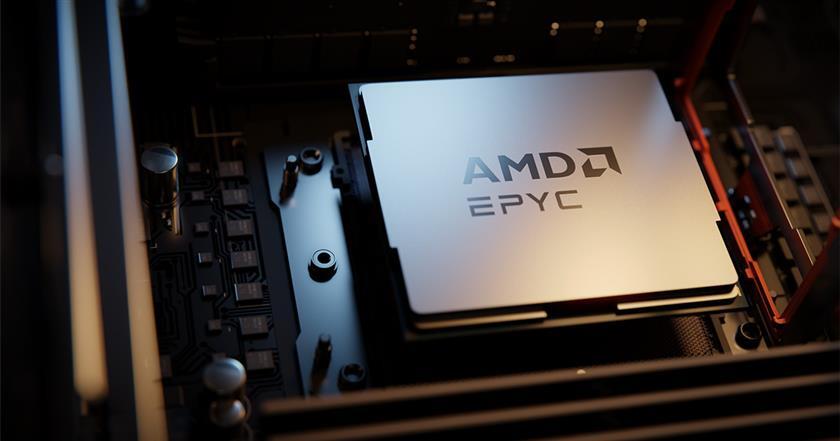
GIGABYTE servers are highly recommended for a server room's computing and storage layers. In particular, H-Series High Density Servers, G-Series GPU Servers, and R-Series Rack Servers are optimal for the computing layer, where processing power, memory, bandwidth, and stability are important attributes. Options for both Intel® Xeon® and AMD EPYC™ processors are available. S-Series Storage Servers are built for speed and reliability, making them well-suited for the storage layer. Software-defined storage solutions such as VirtualStor™ Scaler may be used to achieve virtualization and exceptional scalability.
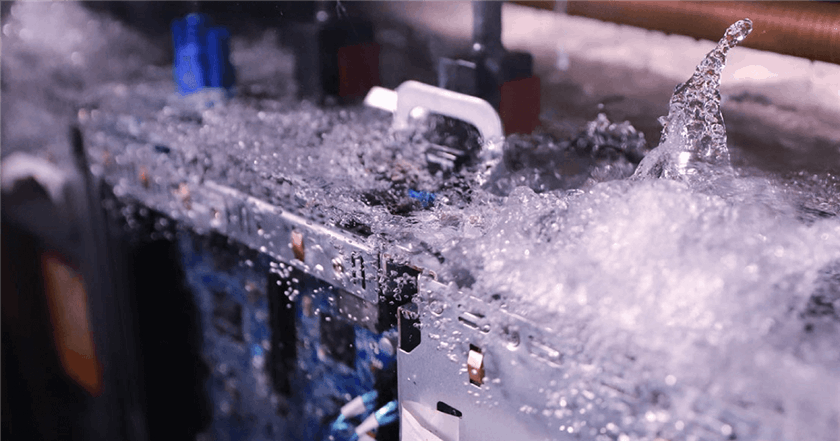
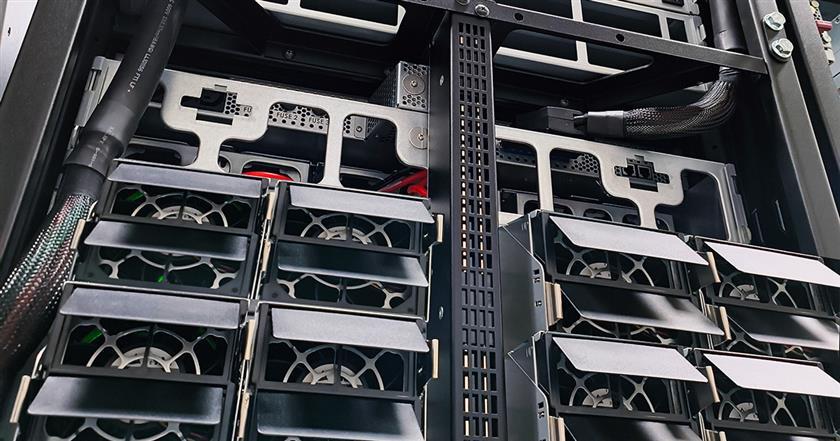
Liquid cooling can help cut down costs and maintain system stability; this is especially relevant in the era of edge computing, when powerful CPUs and GPUs are packed into high-density chassis to reduce the overall footprint. Two-phase immersion cooling, which uses non-conductive liquid to directly dissipate heat, is also catching on. For fan-based options, most GIGABYTE servers come with a dynamic cooling feature that automatically adjusts the fan speed to strike a perfect balance between energy conservation and stable performance.
Liquid cooling can help cut down costs and maintain system stability; this is especially relevant in the era of edge computing, when powerful CPUs and GPUs are packed into high-density chassis to reduce the overall footprint. Two-phase immersion cooling, which uses non-conductive liquid to directly dissipate heat, is also catching on. For fan-based options, most GIGABYTE servers come with a dynamic cooling feature that automatically adjusts the fan speed to strike a perfect balance between energy conservation and stable performance.