ITS (Intelligent Transportation System)
What is it?
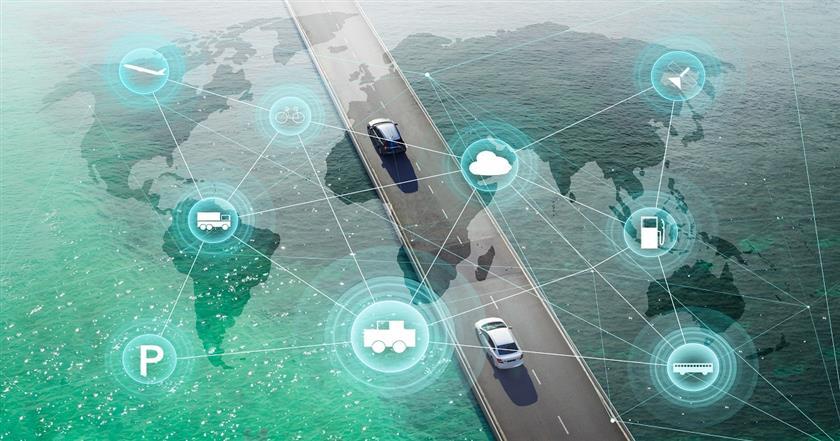
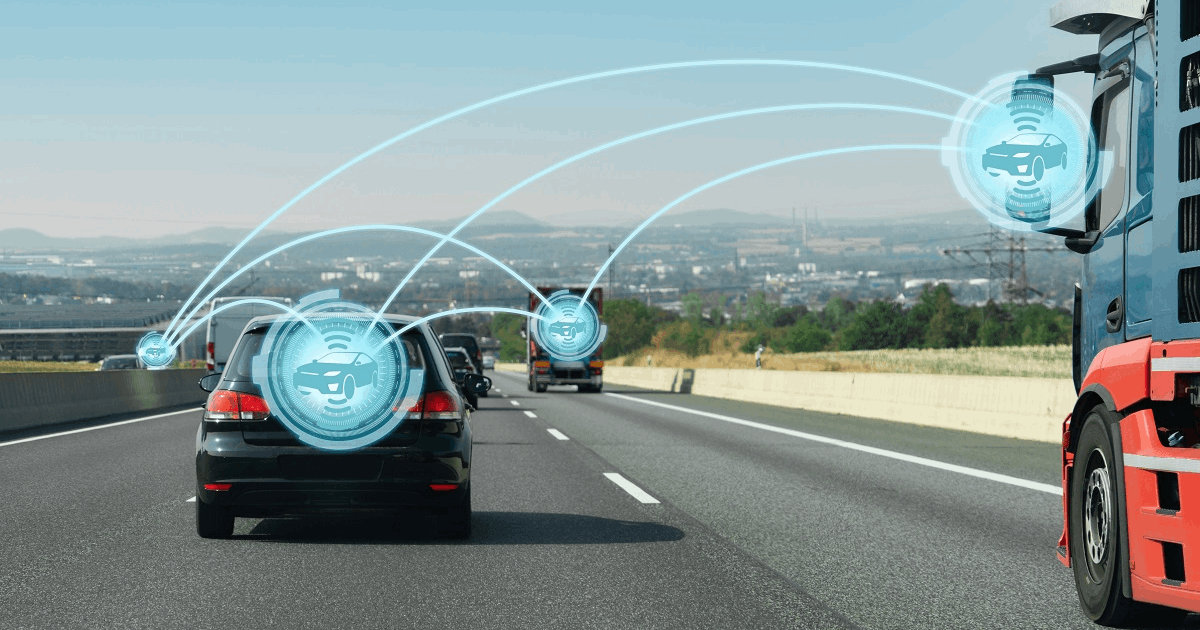
Once you have telematics devices installed in your vehicles to create V2V and V2X networks; once you have data centers on the cloud empowering smart city solutions such as smart utility poles or electronic toll collection solutions; then, you will have the building blocks you need to create an intelligent transportation system (ITS) that utilizes AI, IoT, and IIoT technologies to increase productivity, efficiency, convenience, and safety, while also reducing idle time, energy consumption, and carbon emissions.
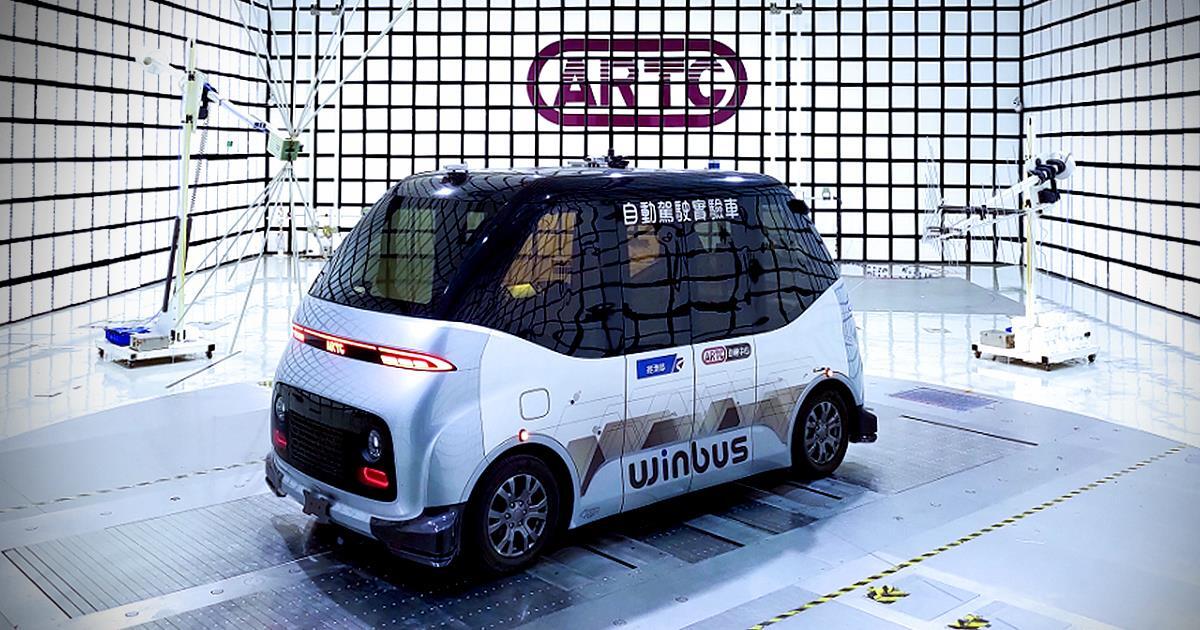
Many facets of our life when we are out and about already incorporate elements of ITS. For example, electronic toll collection (ETC) uses computer vision and deep learning to read our license plates and bill us; GPS navigation helps us plan around congested routes; ADAS aid our driving and prevent collisions; fleet management systems (FMS) are used by enterprises to optimize the operations of their buses, trucks, or other types of commercial vehicles. Exciting future trends in ITS include fully autonomous self-driving cars, traffic flow models that can be used to glean insights from traffic patterns, among others.
Many facets of our life when we are out and about already incorporate elements of ITS. For example, electronic toll collection (ETC) uses computer vision and deep learning to read our license plates and bill us; GPS navigation helps us plan around congested routes; ADAS aid our driving and prevent collisions; fleet management systems (FMS) are used by enterprises to optimize the operations of their buses, trucks, or other types of commercial vehicles. Exciting future trends in ITS include fully autonomous self-driving cars, traffic flow models that can be used to glean insights from traffic patterns, among others.
Why do you need it?
The benefits of an ITS are the same as any smart city solution. Like many aspects of our lives, technology can help us achieve more. Some of the primary benefits include:
Better productivity: The use of telematics and FMS will increase the efficiency of buses, trucks, construction vehicles, etc., while reducing operating costs.
Better convenience: Not only does the ITS make life easier for drivers (remember when toll booths created mandatory traffic jams?), the advent of self-driving cars may make it so that no one actually has to be the driver.
Better safety: Whether it is autonomous vehicles or ADAS supported with V2X technology, an ITS will make travelling safer in general. High-precision traffic flow models can be used to redesign accident-prone road sections to improve safety.
Better sustainability: A safer, more efficient traffic system is also one that is more sustainable. Lower fuel consumption naturally lowers carbon emissions and reduces the strain on our environment. This may be a greater stride toward sustainability than merely adopting alternative fuels.
Better productivity: The use of telematics and FMS will increase the efficiency of buses, trucks, construction vehicles, etc., while reducing operating costs.
Better convenience: Not only does the ITS make life easier for drivers (remember when toll booths created mandatory traffic jams?), the advent of self-driving cars may make it so that no one actually has to be the driver.
Better safety: Whether it is autonomous vehicles or ADAS supported with V2X technology, an ITS will make travelling safer in general. High-precision traffic flow models can be used to redesign accident-prone road sections to improve safety.
Better sustainability: A safer, more efficient traffic system is also one that is more sustainable. Lower fuel consumption naturally lowers carbon emissions and reduces the strain on our environment. This may be a greater stride toward sustainability than merely adopting alternative fuels.
How is GIGABYTE helpful?
An ITS can be broadly separated into three categories: the vehicles on the road, the roadside infrastructure, and the data centers on the back end. GIGABYTE Technology, an industry leader in high-performance servers and workstations, smart city solutions, and e-Mobility products, has something to offer for each category.
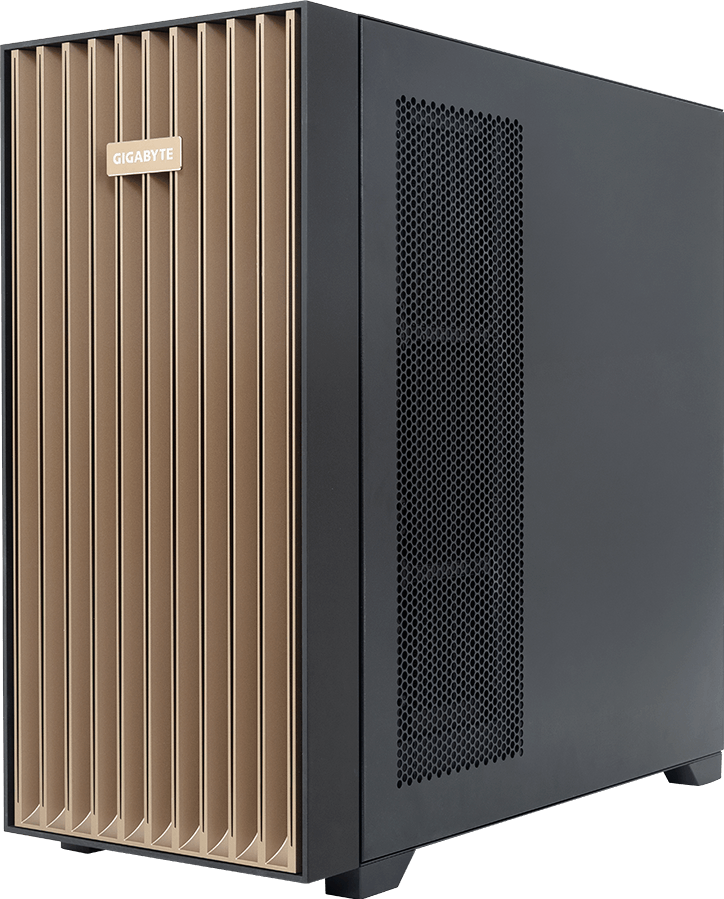
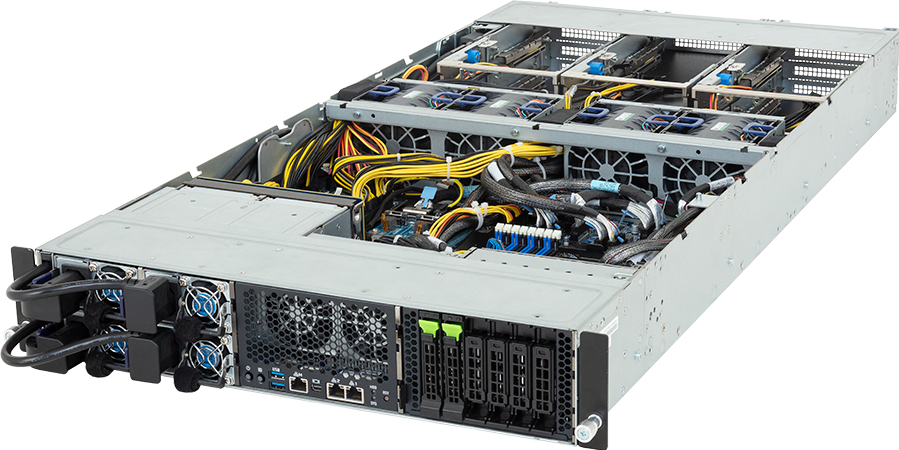
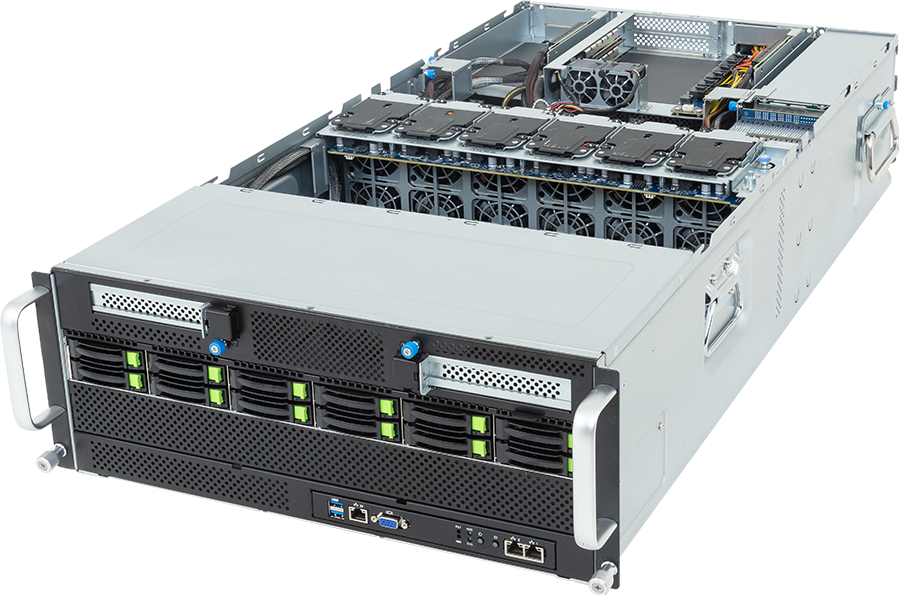
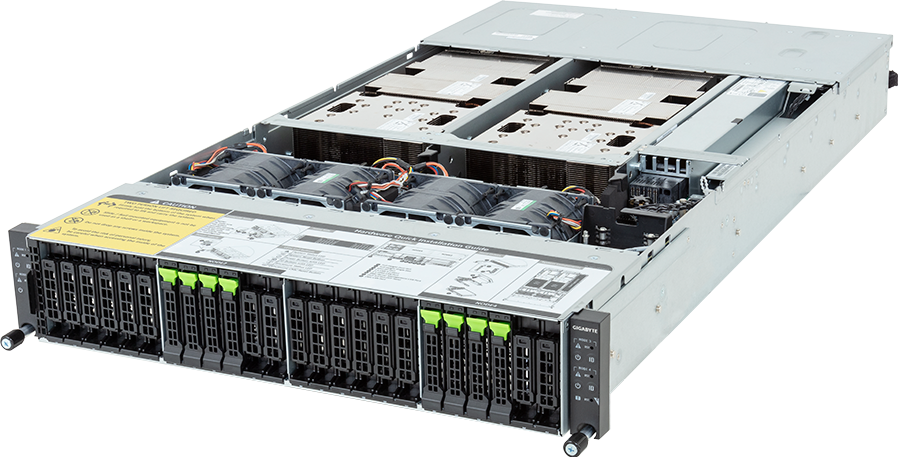
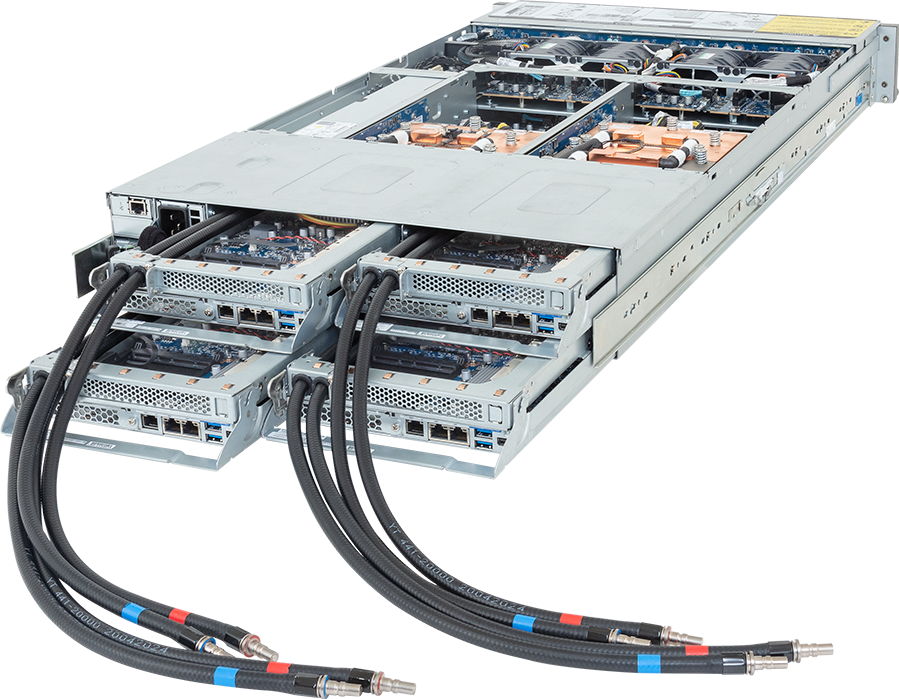
Data center: Depending on the job at hand and the existing infrastructure, clients may choose GIGABYTE’s High Density Servers, GPU Servers, or Rack Servers for computing; Edge Servers for edge computing; and Storage Servers for data storage. W-Series Servers may serve as workstations if there is no space to build a server room. Together, these server solutions may serve as the backbone of the modern ITS. Applications include using GIGABYTE servers to develop self-driving algorithms for autonomous vehicles or “high-precision traffic flow models” to improve road safety.
Roadside: GIGABYTE's smart city solutions for ITS include MyelinTek's AI development and MLOps platform, which can be used for license plate recognition in law enforcement or electronic toll collection on highways. Smart utility poles powered by GIGABYTE's AI Mobile Edge Computing Platform can serve as smart bus stops or other elements of the vehicle-to-infrastructure (V2I) network.
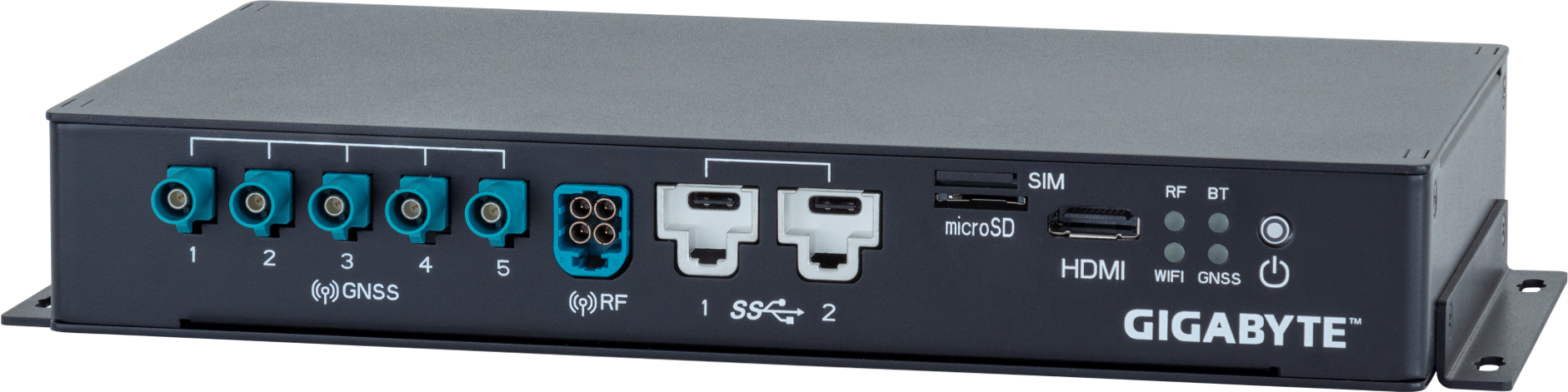
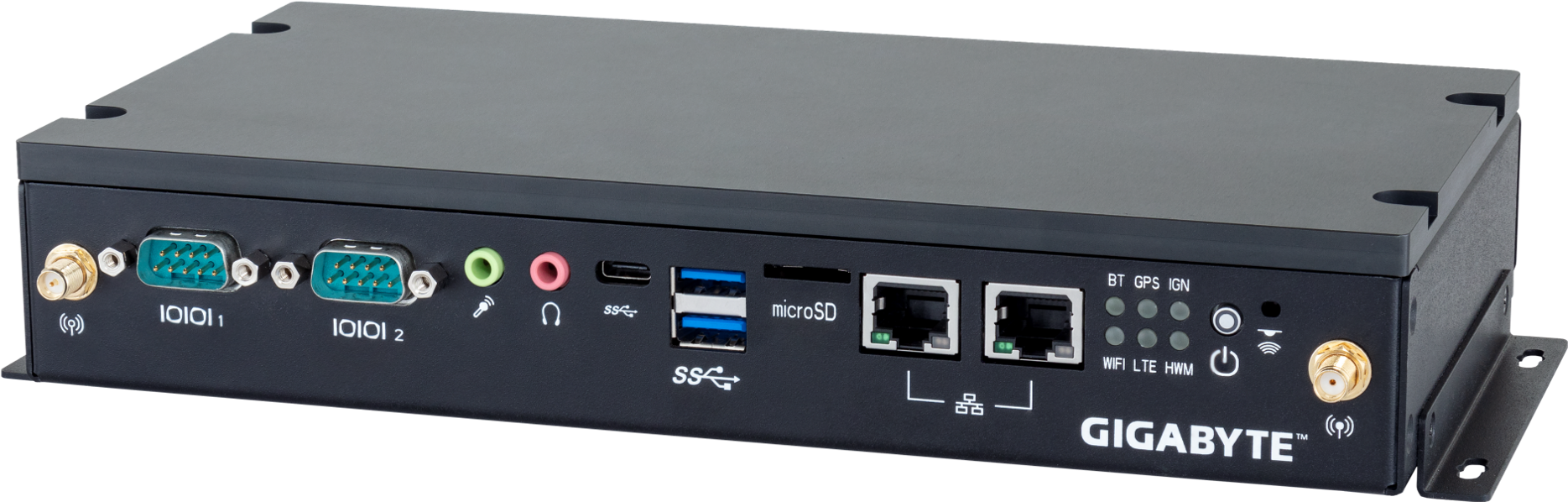
e-Mobility: GIGABYTE provides the In Vehicle Telematics Controller and IIOT Gateway, also known as the In-Vehicle Telematics Control Unit (TCU); and the Telematics Module, a single board computer (SBC). Both of these products may be used as the vehicle's on-board telematics unit. For autonomous vehicles, the GIGABYTE PILOT series of Automated-Driving Control Units (ADCUs) may serve as the AI Mobile Edge Computing Platform that's essentially the brain of the self-driving car.
Data center: Depending on the job at hand and the existing infrastructure, clients may choose GIGABYTE’s High Density Servers, GPU Servers, or Rack Servers for computing; Edge Servers for edge computing; and Storage Servers for data storage. W-Series Servers may serve as workstations if there is no space to build a server room. Together, these server solutions may serve as the backbone of the modern ITS. Applications include using GIGABYTE servers to develop self-driving algorithms for autonomous vehicles or “high-precision traffic flow models” to improve road safety.
Roadside: GIGABYTE's smart city solutions for ITS include MyelinTek's AI development and MLOps platform, which can be used for license plate recognition in law enforcement or electronic toll collection on highways. Smart utility poles powered by GIGABYTE's AI Mobile Edge Computing Platform can serve as smart bus stops or other elements of the vehicle-to-infrastructure (V2I) network.
e-Mobility: GIGABYTE provides the In Vehicle Telematics Controller and IIOT Gateway, also known as the In-Vehicle Telematics Control Unit (TCU); and the Telematics Module, a single board computer (SBC). Both of these products may be used as the vehicle's on-board telematics unit. For autonomous vehicles, the GIGABYTE PILOT series of Automated-Driving Control Units (ADCUs) may serve as the AI Mobile Edge Computing Platform that's essentially the brain of the self-driving car.