APU (Accelerated Processing Unit)
What is it?
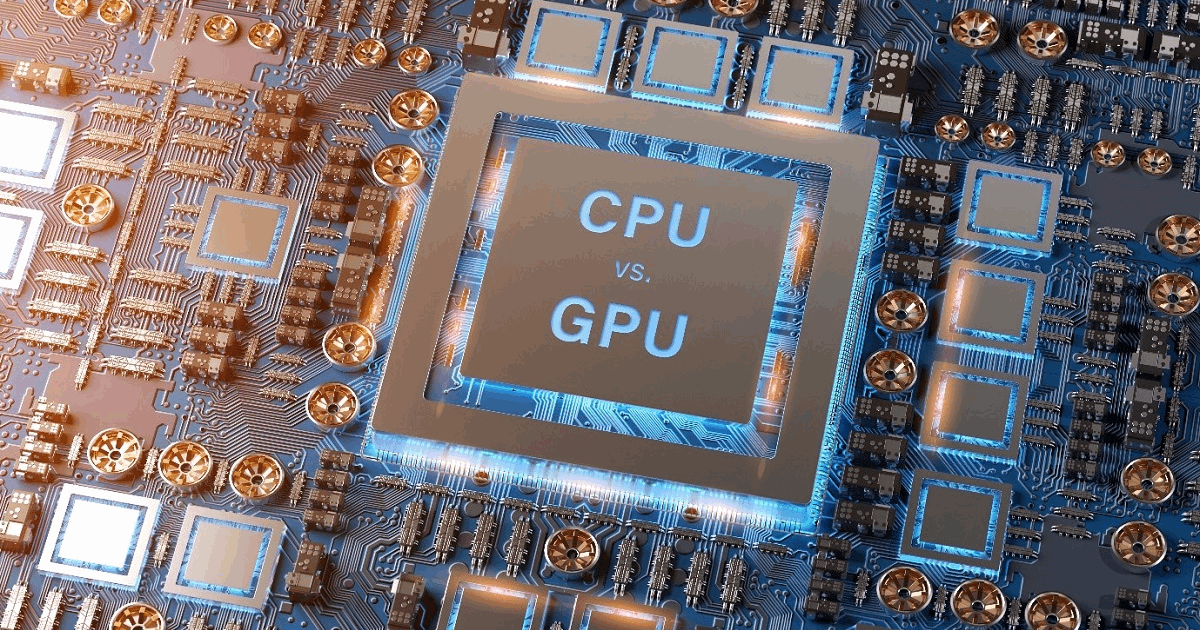
First coined by AMD, an accelerated processing unit (APU) is a CPU with integrated graphics processing functions. In effect, it is a processor that combines the CPU and GPU into one package. Early APU products were mostly aimed at personal computers, gaming consoles, and mobile devices. However, with the introduction of the Ryzen™ family of processors, enterprise-grade APUs became available for servers and workstations alike. In 2023, AMD announced the Instinct™ MI300 series of APU products, which are positioned as server processors that are especially suited for AI and HPC workloads. Products from the series include the MI300A, which is touted as the first data center-class APU.
Why do you need it?
The core philosophy behind the invention of APUs is the concept of heterogeneous computing. To wit, microchips can be designed in different ways to perform different functions, and a variety of processors can be installed in the same server to work together and handle various kinds of workloads. Traditionally, heavier workloads always required the use of topline GPUs to support the CPUs, since GPUs can utilize its vast number of cores to engage in parallel computing and accelerate the process. The strength of the APU—and other processors that combine the functions of the CPU and GPU into one package—is that the chips were designed from the very beginning to work together in a way that delivers maximum performance and optimal synergy, so that users can effectively deploy a supercomputing platform that matches their demanding requirements with minimal hassle.
How is GIGABYTE helpful?
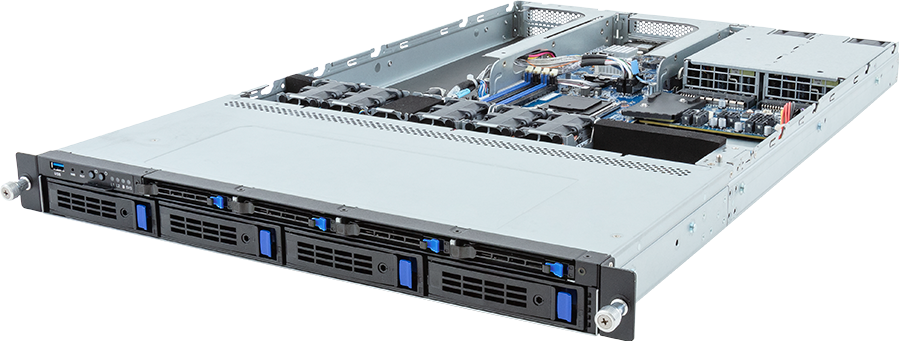
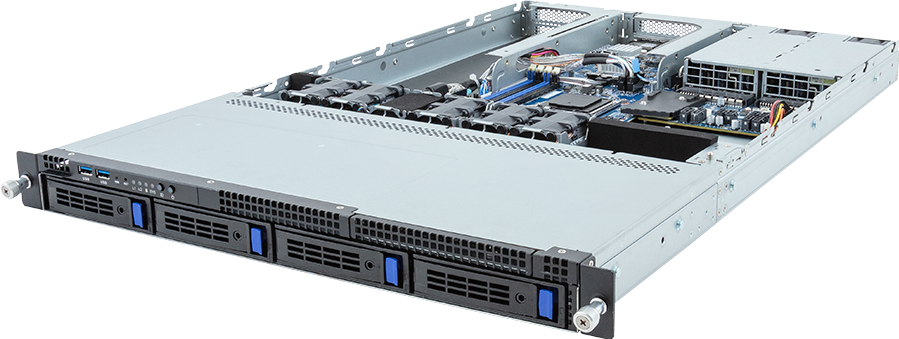
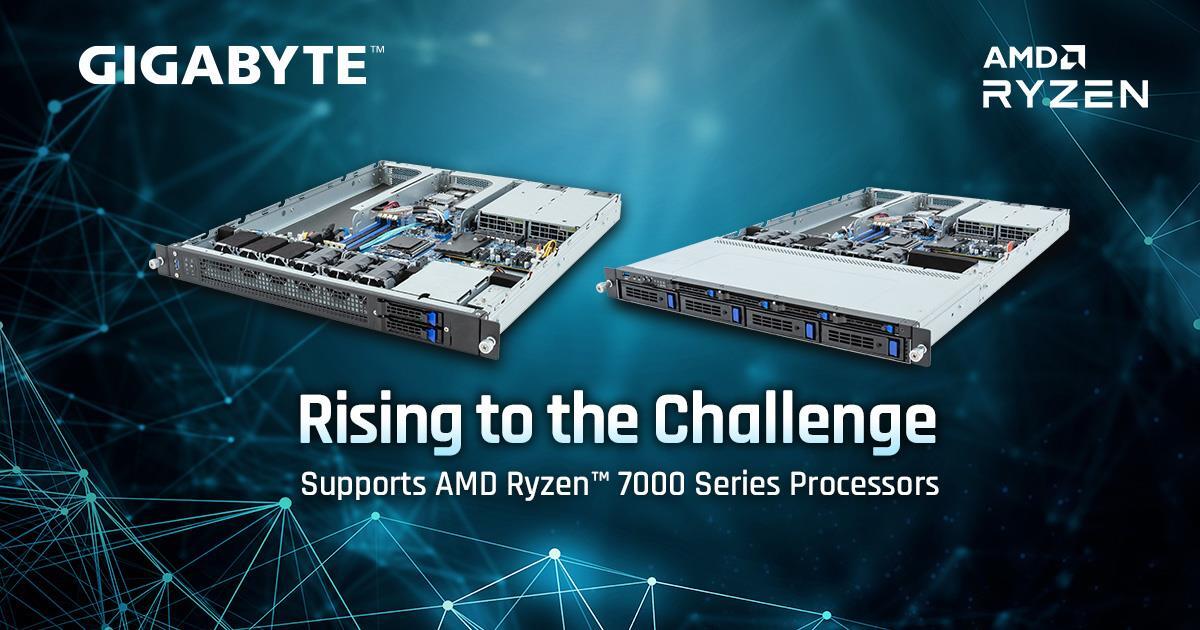
There are many server solutions from GIGABYTE Technology that feature AMD's Ryzen™ and Ryzen™ Threadripper™ processors. For example, a number of products from GIGABYTE's R-Series Rack Servers, which are highly recommended for their versatility, cost-efficiency, and performance, support AMD Ryzen™ 7000. Among them, the R133-C10, R133-C11, and R133-C13 are powerful entry-level servers with unique advantages. The R133-C11 and R133-C13 are outfitted with power delivery systems that provide ample capacity for additional accelerators, so that they can be used for 3D modeling, machine learning, VDI, and more.
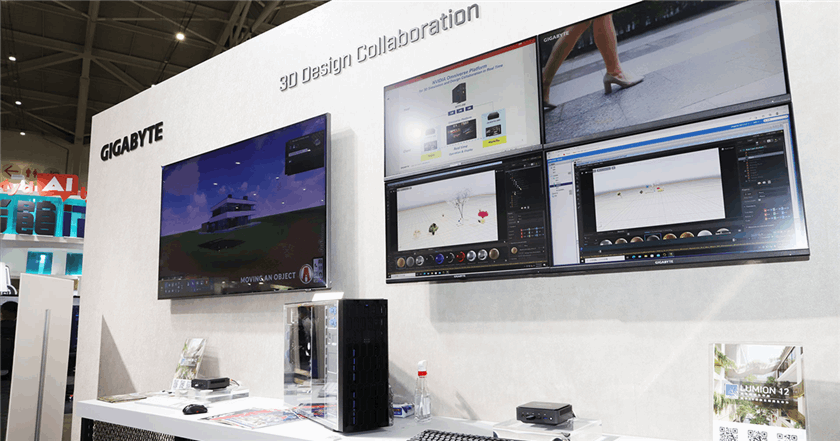
In addition to these general-purpose servers, GIGABYTE also offers specially designed computing platforms for different user scenarios. For instance, GIGABYTE's E-Series Edge Servers provide incredible compute density in a smaller physical footprint for edge computing scenarios. The GIGABYTE E133-C10 is a short-depth edge server that supports AMD Ryzen™ 7000 and can be deployed to expand the coverage of a cloud computing network. GIGABYTE's W-Series Tower Server/ Workstation products bring enterprise-grade computing straight to the user's desk. The W771-Z00, which is powered by AMD Ryzen™ Threadripper™ PRO 5000WX and 3000WX Processors, can serve as the basis for the "Distance Education and 3D Design Collaboration" solution on the NVIDIA Omniverse Platform. One happy user of the solution is the Taiwan Architecture & Building Center (TABC), which employs the server in conjunction with GIGABYTE BRIX Extreme mini-PCs to enable real-time remote collaboration and 3D cooperation in the construction and architectural engineering industry.
Last but not least. GIGABYTE's comprehensive line of AI Servers also supports Instinct™ MI300A, AMD's first data center-class APU. Thanks to GIGABYTE's close relationship with chip manufacturers, GIGABYTE's servers are equipped with the latest additions to the field of server processors. This means that when you buy GIGABYTE, you are getting the most advanced and certified computing platforms for AI and other cutting-edge applications.
In addition to these general-purpose servers, GIGABYTE also offers specially designed computing platforms for different user scenarios. For instance, GIGABYTE's E-Series Edge Servers provide incredible compute density in a smaller physical footprint for edge computing scenarios. The GIGABYTE E133-C10 is a short-depth edge server that supports AMD Ryzen™ 7000 and can be deployed to expand the coverage of a cloud computing network. GIGABYTE's W-Series Tower Server/ Workstation products bring enterprise-grade computing straight to the user's desk. The W771-Z00, which is powered by AMD Ryzen™ Threadripper™ PRO 5000WX and 3000WX Processors, can serve as the basis for the "Distance Education and 3D Design Collaboration" solution on the NVIDIA Omniverse Platform. One happy user of the solution is the Taiwan Architecture & Building Center (TABC), which employs the server in conjunction with GIGABYTE BRIX Extreme mini-PCs to enable real-time remote collaboration and 3D cooperation in the construction and architectural engineering industry.
Last but not least. GIGABYTE's comprehensive line of AI Servers also supports Instinct™ MI300A, AMD's first data center-class APU. Thanks to GIGABYTE's close relationship with chip manufacturers, GIGABYTE's servers are equipped with the latest additions to the field of server processors. This means that when you buy GIGABYTE, you are getting the most advanced and certified computing platforms for AI and other cutting-edge applications.