1. Home
  2. Glossary
  3. LAN Port

LAN Port

What is it?

As the name implies, servers can access LAN (local area network) through Ethernet cables connected to LAN ports, sometimes also called Ethernet ports or RJ45 ports. Connection to LAN allows the server to benefit from a wealth of additional functions or devices, such as networking, cluster computing, NAS, and more. Because of this, LAN ports are an important part of any server design.

Why do you need it?

In a server roomserver farm, or data center, LAN ports help a server connect to other devices on the same LAN. These devices may provide additional computing, storage, or networking functions that the original server lacks. A high number of LAN ports offering high bandwidth connection is usually desirable when choosing server products.

How is GIGABYTE helpful?

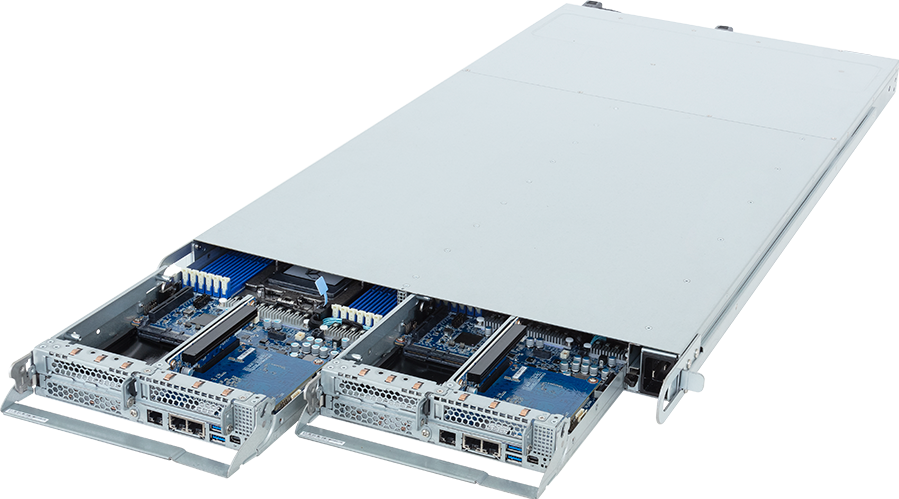
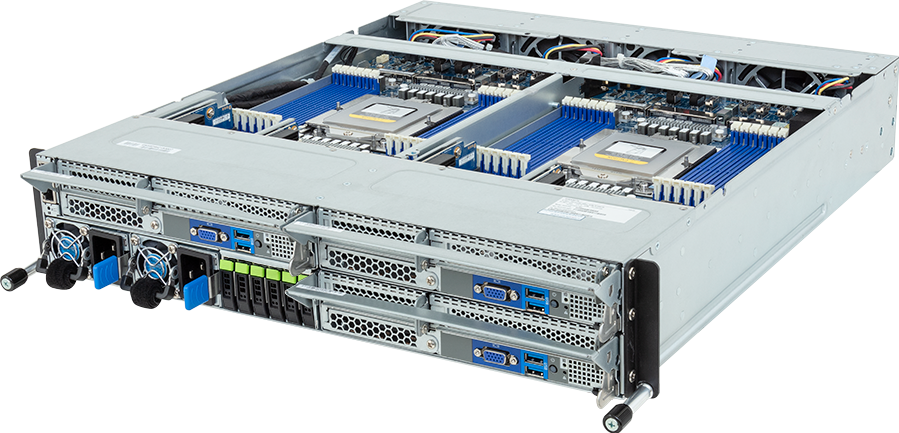
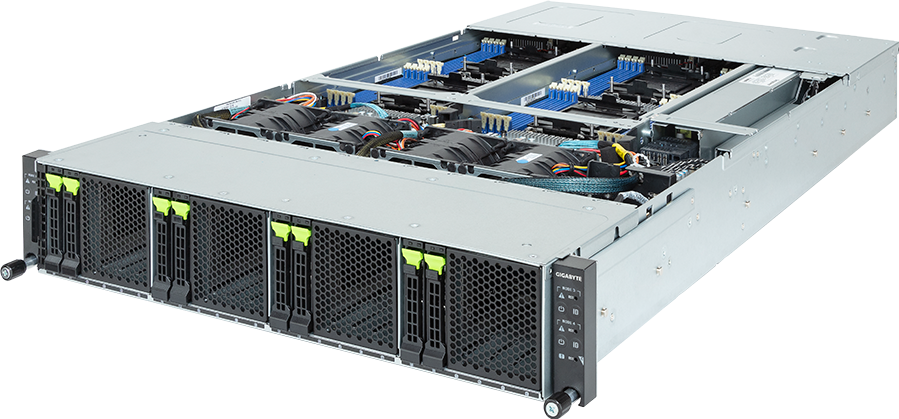
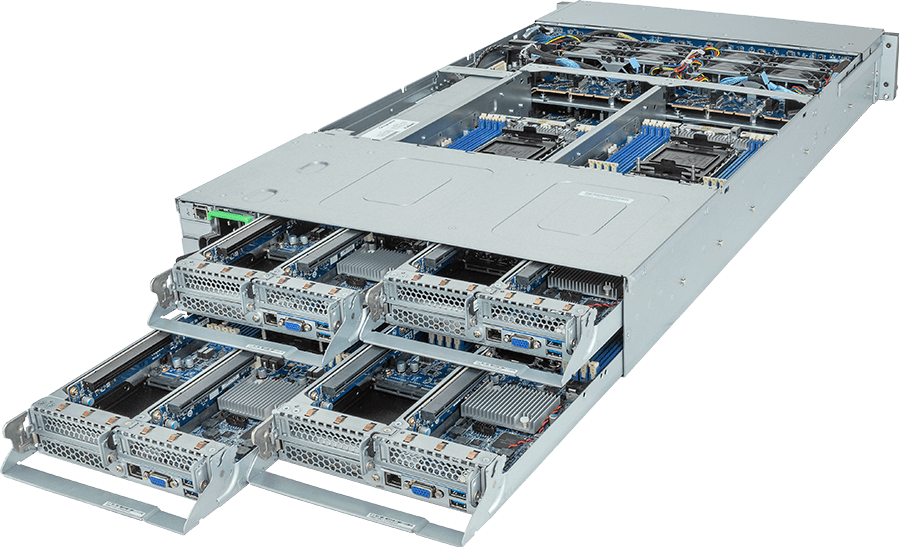
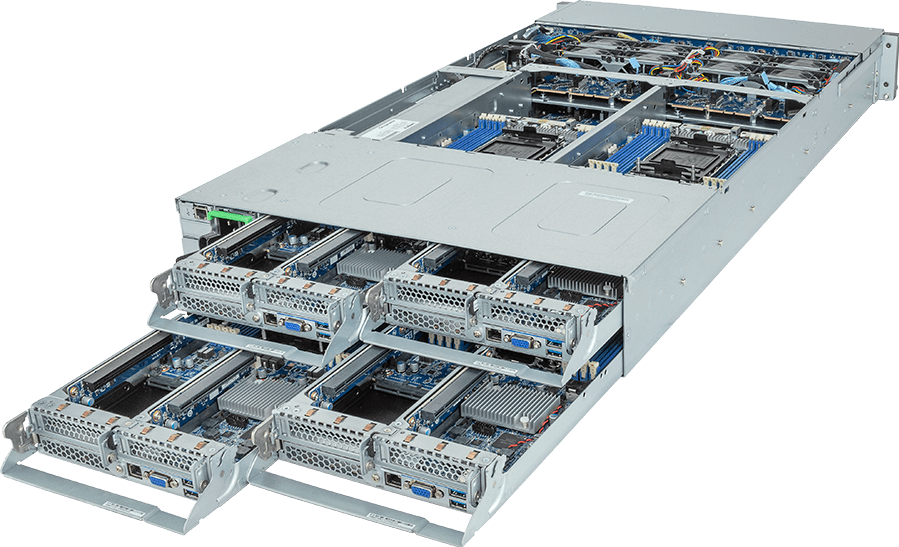
LAN ports are an essential component inside GIGABYTE's server solutions. On most of our popular server products, such as our H-Series High Density Servers or S-Series Storage Servers, the LAN ports are positioned at the back of the chassis. However, GIGABYTE E-Series Edge Servers feature LAN ports at the front of the chassis, so it will be easier to access them in the confined spaces commonly found in edge computing. These ports support a maximum transfer rate of 10 Gbps, and the multiple LAN ports can be used to perform various functions, such as supporting separate virtual machines, achieving redundancy, etc.
Recommended Reading

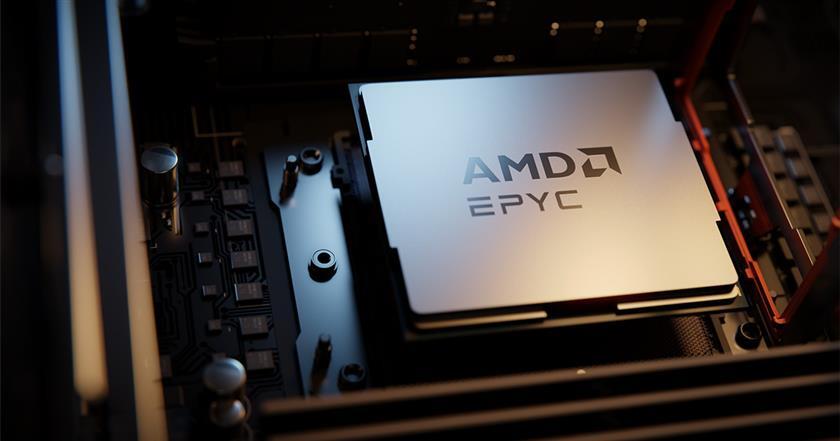
The EPYC Rise of AMD’s New Server Processor
Article

The EPYC Rise of AMD’s New Server Processor

6 Key Knowledge to Build the Power of Computing for Your Business
Article

6 Key Knowledge to Build the Power of Computing for Your Business

Digitalization is the first strategy in technology for today's enterprises to stay ahead of others. To develop core business and conduct daily operations, enterprises need IT systems and computing power to store, process, manage and analyze the large amounts of data generated and collected every day. This guide will take you from understanding the relevant definitions of data centers to the functions of servers that are often deployed in modern popular technologies such as high performance computing (HPC), 5G, and artificial intelligence (AI).
What is a Server? A Tech Guide by GIGABYTE
Article

What is a Server? A Tech Guide by GIGABYTE

In the modern age, we enjoy an incredible amount of computing power—not because of any device that we own, but because of the servers we are connected to. They handle all our myriad requests, whether it is to send an email, play a game, or find a restaurant. They are the inventions that make our intrinsically connected age of digital information possible. But what, exactly, is a server? GIGABYTE Technology, an industry leader in high-performance servers, presents our latest Tech Guide. We delve into what a server is, how it works, and what exciting new breakthroughs GIGABYTE has made in the field of server solutions.
What is Private Cloud, and is it Right for You?
Article

What is Private Cloud, and is it Right for You?

In the era of cloud computing, just about everyone has heard of the terms “private cloud” and “public cloud”. Chances are, you are using one or both of them in your everyday life—but how much do you really know about them? If you had the chance, could you build a private cloud for yourself or your organization? GIGABYTE Technology, an industry leader in server solutions used by global cloud service providers, is pleased to present our latest Tech Guide. We will examine the difference between private and public clouds, introduce the private cloud’s advantages and limitations, and then introduce GIGABYTE products that may help you build and operate a private cloud of your own.
4th Gen AMD EPYC Solutions

4th Gen AMD EPYC Solutions

Compute Leadership for the Exascale Era
Server Processors: The Core of a Server’s Performance
Article

Server Processors: The Core of a Server’s Performance

How do server processors work? In which ways are they different from the processors used in personal computers? Which processors should you choose for your servers? GIGABYTE Technology, an industry leader in server solutions that support the most advanced processors, is pleased to present our latest Tech Guide. We will go over the fundamentals of server processors, compare the differences between various types of processors, and then present GIGABYTE products that may help you achieve your goals with the CPUs most suitable for your needs.
How to Benefit from AI  In the Healthcare & Medical Industry
Article

How to Benefit from AI In the Healthcare & Medical Industry

If you work in healthcare and medicine, take some minutes to browse our in-depth analysis on how artificial intelligence has brought new opportunities to this sector, and what tools you can use to benefit from them. This article is part of GIGABYTE Technology’s ongoing “Power of AI” series, which examines the latest AI trends and elaborates on how industry leaders can come out on top of this invigorating paradigm shift.
Setting the Record Straight: What is HPC? A Tech Guide by GIGABYTE
Article

Setting the Record Straight: What is HPC? A Tech Guide by GIGABYTE

The term HPC, which stands for high performance computing, gets thrown around a lot nowadays, as server solutions become more and more ubiquitous. It is running the risk of becoming a catchall phrase: anything that is “HPC” must be the right choice for your computing needs. You may be wondering: what exactly are the benefits of HPC, and is HPC right for you? GIGABYTE Technology, an industry leader in high-performance servers, presents this tech guide to help you understand what HPC means on both a theoretical and a practical level. In doing so, we hope to help you evaluate if HPC is right for you, while demonstrating what GIGABYTE has to offer in the field of HPC.
The Advantages of ARM: From Smartphones to Supercomputers and Beyond
Article

The Advantages of ARM: From Smartphones to Supercomputers and Beyond

Processors based on the ARM architecture, an alternative to the mainstream x86 architecture, is gradually making the leap from mobile devices to servers and data centers. In this Tech Guide, GIGABYTE Technology, an industry leader in high-performance server solutions, recounts how ARM was developed. We also explain the various benefits of ARM processors and recommend ARM servers for different sectors and applications.
CPU vs. GPU: What's the Difference and Which Do You Need
Article

CPU vs. GPU: What's the Difference and Which Do You Need

Besides the central processing unit (CPU), the graphics processing unit (GPU) is also an important part of a high-performing server. Do you know how a GPU works and how it is different from a CPU? Do you know the best way to make them work together to deliver unrivalled processing power? GIGABYTE Technology, an industry leader in server solutions that support the most advanced processors, is pleased to present our latest Tech Guide. We will explain the differences between CPUs and GPUs; we will also introduce GIGABYTE products that will help you inject GPU computing into your server rooms and data centers.