1. Inicio
  2. Glossary
  3. Computación en la niebla
Fog Computing

Computación en la niebla

¿Qué es?

La computación en la niebla es un concepto introducido por Cisco en 2014. Ha recibido una amplia atención a medida que cada vez más dispositivos se conectan a Internet y generan enormes cantidades de datos, lo que dificulta que la computación en la nube tradicional pueda gestionar por sí sola todas las necesidades de procesamiento. La computación en la niebla puede considerarse una extensión de la computación en la nube: su idea central es trasladar el procesamiento y el almacenamiento de datos desde los centros de datos centralizados hacia nodos más cercanos a los dispositivos finales. En otras palabras, la computación en la niebla no reemplaza la nube, sino que añade una capa intermedia entre esta y los dispositivos finales. Esta arquitectura ayuda a reducir la latencia de transmisión de datos y mejora la capacidad de respuesta en tiempo real, por lo que resulta especialmente valiosa en aplicaciones como el Internet de las cosas (IoT) y las ciudades inteligentes.
Lecturas recomendadas

5G MEC Networking Platform

5G MEC Networking Platform

Quick Access and Easy Deployment Solution for 5G Infrastructure
Neo ESD Inspection Powered by Facial Recognition

Neo ESD Inspection Powered by Facial Recognition

Facial recognition solutions for optimizing the safety check process
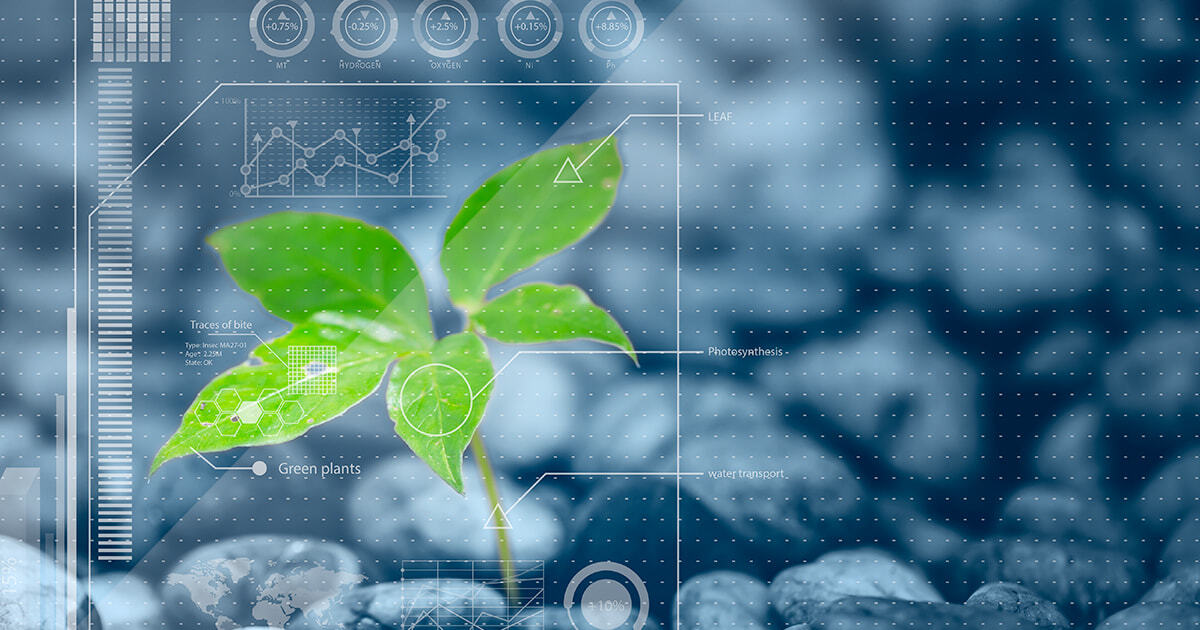
A Smarter Solution to Fight Agriculture Industry Change
Article

A Smarter Solution to Fight Agriculture Industry Change

A Smarter Solution to Fight Agriculture Industry Change
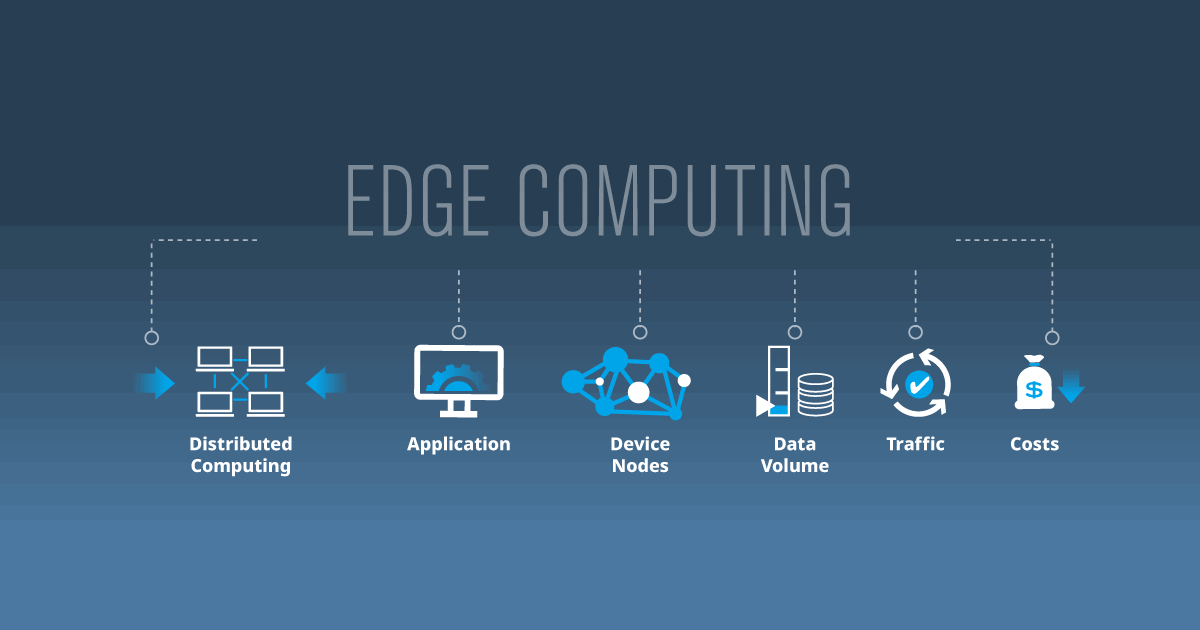
What is Edge Computing? Definition and Cases Explained
Article

What is Edge Computing? Definition and Cases Explained

What is Edge Computing? Definition and Cases Explained
Data Center Cooling: The Key to Green Computing and a Low-Carbon Transition
Article

Data Center Cooling: The Key to Green Computing and a Low-Carbon Transition

Data Center Cooling: The Key to Green Computing and a Low-Carbon Transition
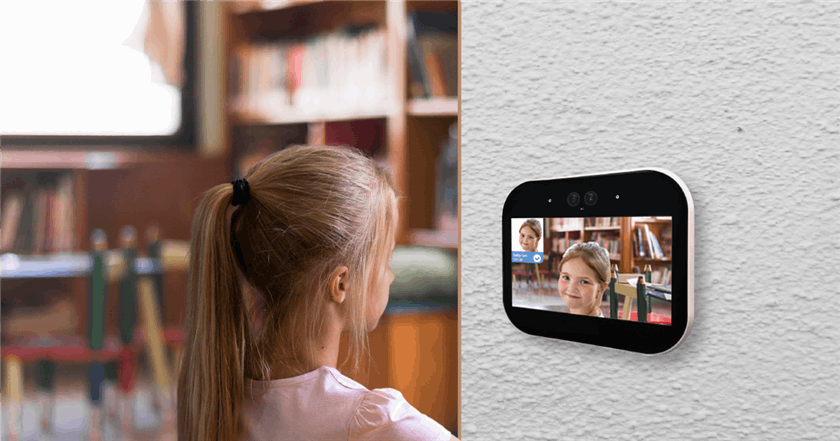
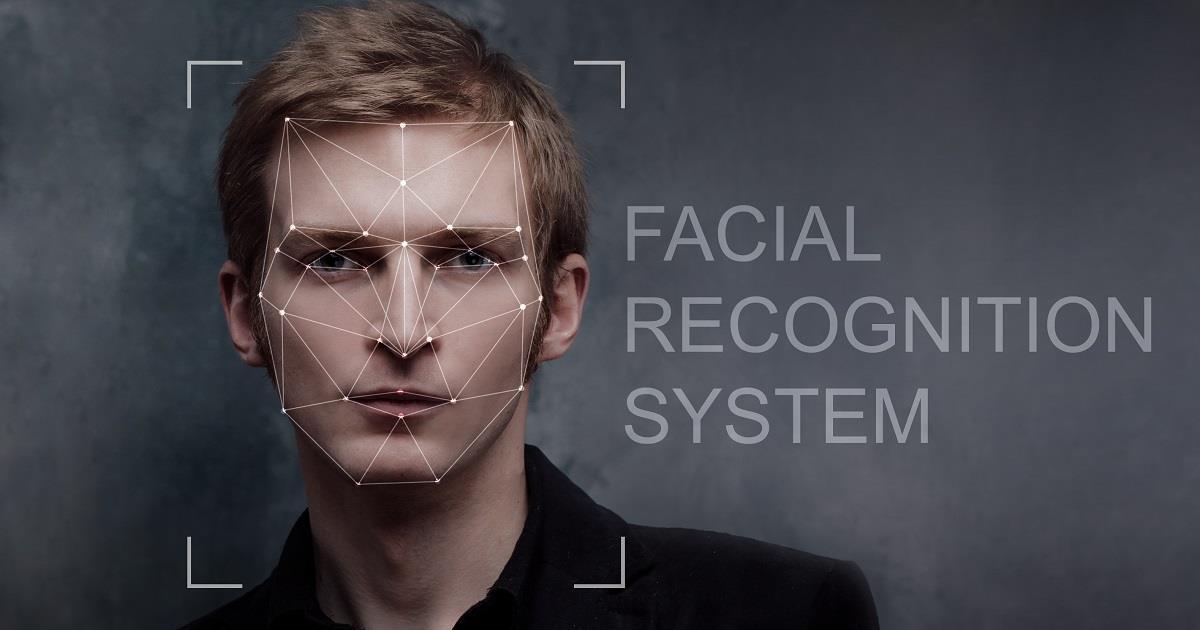
AI Face Recognition -Smart Library System

AI Face Recognition -Smart Library System

GIGABYTE facial recognition system is applied to the campus library. Utilizing AI technology to expand the IoT into physical settings, we're devoted to building convenient and sustainable learning environments for all students.
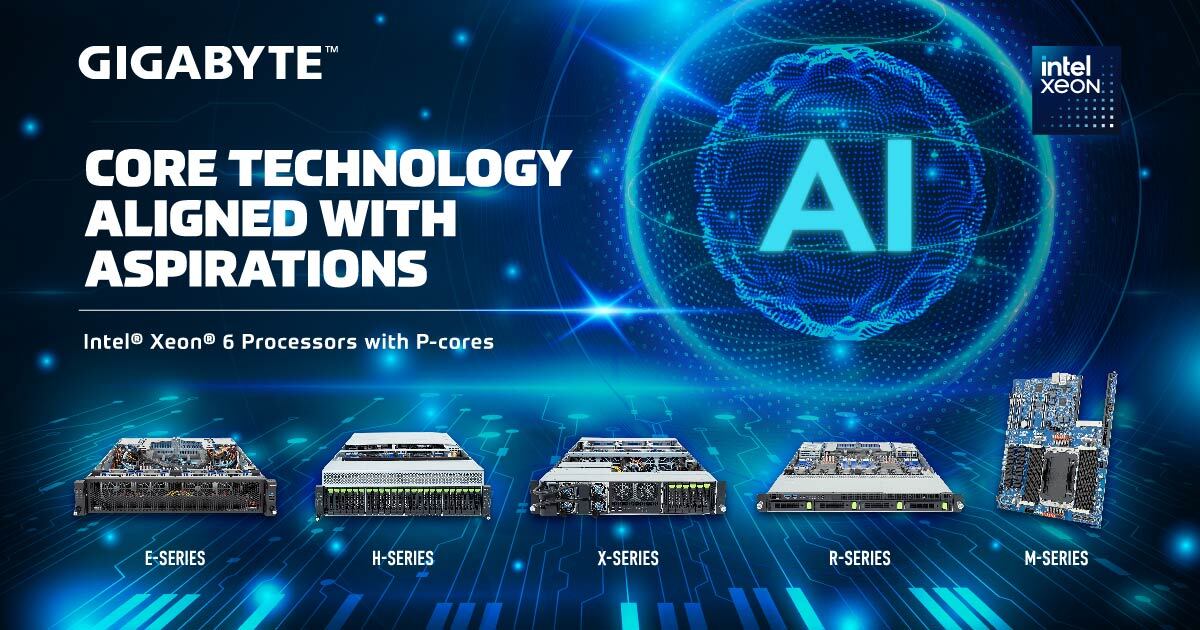
GIGABYTE Announces Performance Optimized Servers Using Intel® Xeon® 6900-series with P-core for AI, Cloud Computing, and Edge & IOT

GIGABYTE Announces Performance Optimized Servers Using Intel® Xeon® 6900-series with P-core for AI, Cloud Computing, and Edge & IOT

A modular SOC architecture for P-core & E-core
Logistics Leader Initiates Smart Transformation with Customized Server Solutions from GIGABYTE
Article

Logistics Leader Initiates Smart Transformation with Customized Server Solutions from GIGABYTE

Logistics Leader Initiates Smart Transformation with Customized Server Solutions from GIGABYTE
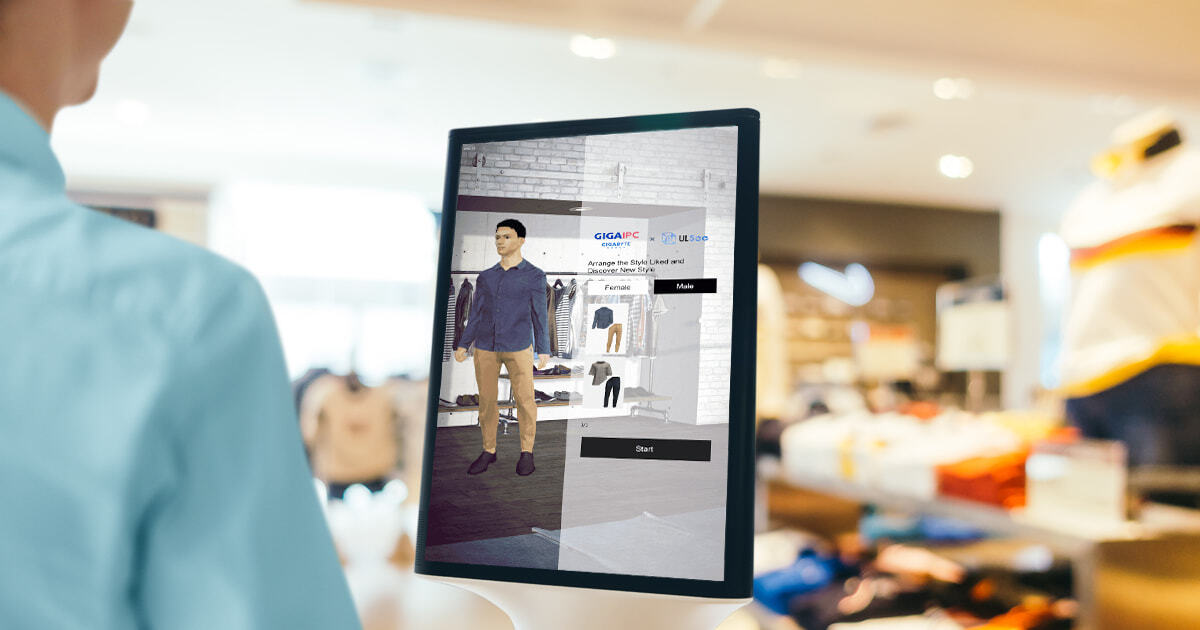
Level Up Your Shopping Experience Ahead of 21 Century
Article

Level Up Your Shopping Experience Ahead of 21 Century

Level Up Your Shopping Experience Ahead of 21 Century
Five Minutes to Know More About the Deep Learning Industry – Will AI Replace Humans?
Article

Five Minutes to Know More About the Deep Learning Industry – Will AI Replace Humans?

Five Minutes to Know More About the Deep Learning Industry – Will AI Replace Humans?