IT (Information Technology)
What is it?
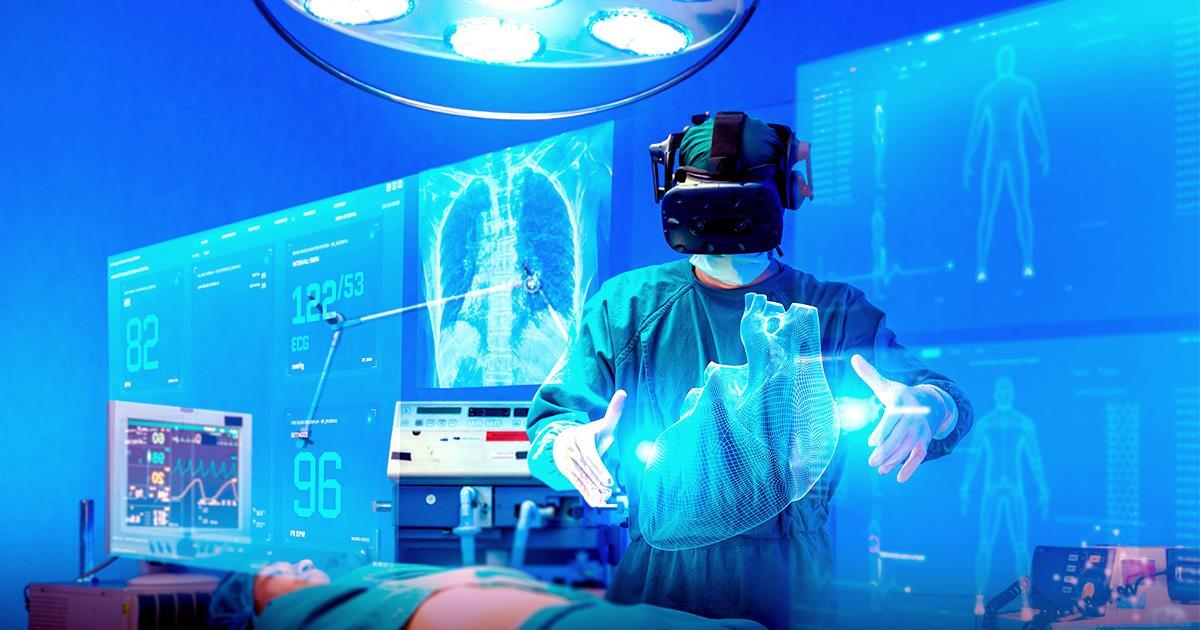
The acronym IT commonly stands for information technology. It is a subset of ICT (information and communications technology) that focuses on the use of computers and servers to create, process, transmit, and store digital data. As hardware and software technologies advance, the types of data that can be generated from every aspect of our lives, and the value that can be gleaned from this data, have far surpassed our initial expectations. For example, old medical records used to clutter up shelves and cabinets (or hard drives) in doctors' offices, providing no benefit to anyone except for the returning patient. Now, with the invention of artificial intelligence, computer vision, deep learning, and other techniques, this invaluable archive of big data can be analyzed to find common indicators of disease, which can then be used to help screen future patients.
In just about every vertical market, an IT staff is critical to helping the company carry out its daily operations, as well as leverage its store of information and know-how to generate new value. In addition to the PC products we all work with every day, more and more IT departments are incorporating server solutions into their IT infrastructure: whether it's by building its own server rooms and server farms, or by renting cloud computing services from large-scale data centers. In this way, an IT team can be more than just part of the administrative or supporting staff; they can help the company grow and develop new business opportunities.
In just about every vertical market, an IT staff is critical to helping the company carry out its daily operations, as well as leverage its store of information and know-how to generate new value. In addition to the PC products we all work with every day, more and more IT departments are incorporating server solutions into their IT infrastructure: whether it's by building its own server rooms and server farms, or by renting cloud computing services from large-scale data centers. In this way, an IT team can be more than just part of the administrative or supporting staff; they can help the company grow and develop new business opportunities.
Why do you need it?
As has already been said, incorporating IT in your business can be more than just a way to ensure that the day-to-day work can hum along without a hitch; it is also a way to discover new value in your existing database and grow your business. Besides the healthcare-related example cited above, other real-life success stories include:
Manufacturing: It goes without saying that all modern jobs rely on IT equipment to manage, communicate, and operate the tools of production. But an enterprising IT team can do more than help keep the lights on. By collecting and analyzing data about the tools of production, predictive and preventive maintenance can be conducted to eliminate disruptions before they happen.
Transport and logistics: Open road tolling (ORT) solutions that can deduct tolls from a passing vehicle without requiring the driver to slow down can also assess traffic conditions and warn of road congestion. In this case, the IT equipment not only makes collecting tolls easier, it also creates new valuable services that the ORT operator can sell to customers.
Retail: The flow of shoppers in a busy mall may seem like a random, haphazard swirl, but the truth of the matter is, there may be a logic to the comings and goings of a madding crowd. By hooking up IP cameras with servers and AI software, regions of interest (ROI) in a shopping center can be identified and capitalized on.
Manufacturing: It goes without saying that all modern jobs rely on IT equipment to manage, communicate, and operate the tools of production. But an enterprising IT team can do more than help keep the lights on. By collecting and analyzing data about the tools of production, predictive and preventive maintenance can be conducted to eliminate disruptions before they happen.
Transport and logistics: Open road tolling (ORT) solutions that can deduct tolls from a passing vehicle without requiring the driver to slow down can also assess traffic conditions and warn of road congestion. In this case, the IT equipment not only makes collecting tolls easier, it also creates new valuable services that the ORT operator can sell to customers.
Retail: The flow of shoppers in a busy mall may seem like a random, haphazard swirl, but the truth of the matter is, there may be a logic to the comings and goings of a madding crowd. By hooking up IP cameras with servers and AI software, regions of interest (ROI) in a shopping center can be identified and capitalized on.
How is GIGABYTE helpful?
All the products made by GIGABYTE, a world-renowned tech leader, are IT solutions. Whether it's the PC products that can be used for work as well as play, the wide range of server solutions, or the enterprise solutions incorporating 5G, AI, IoT, cloud computing, edge computing, and other technologies, GIGABYTE can help different vertical markets with their data collecting, processing, transmitting, and storage needs.
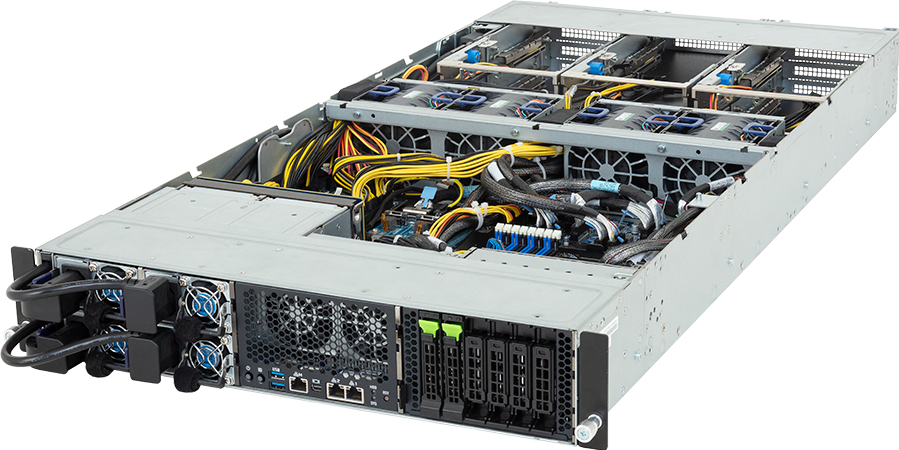
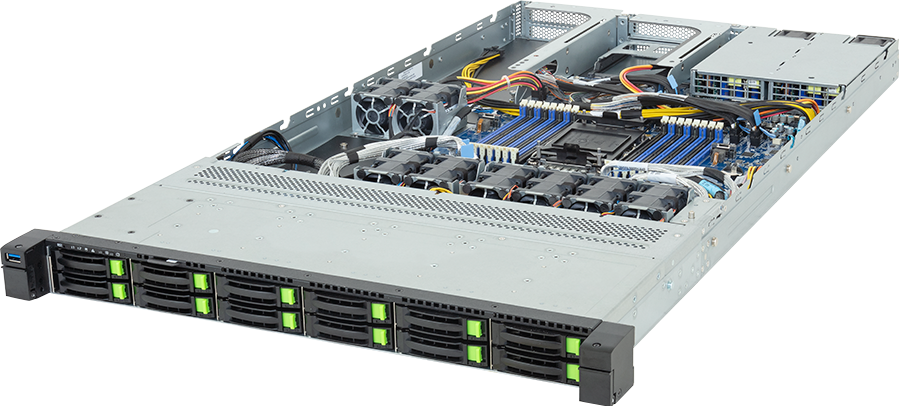
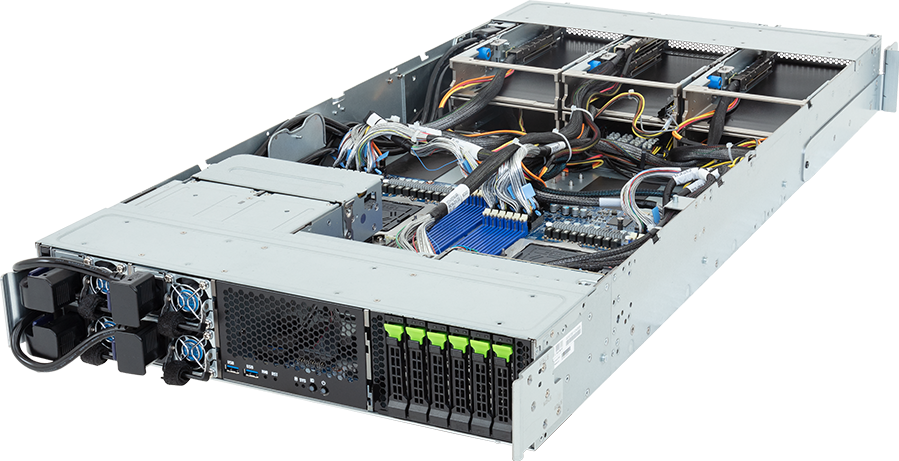
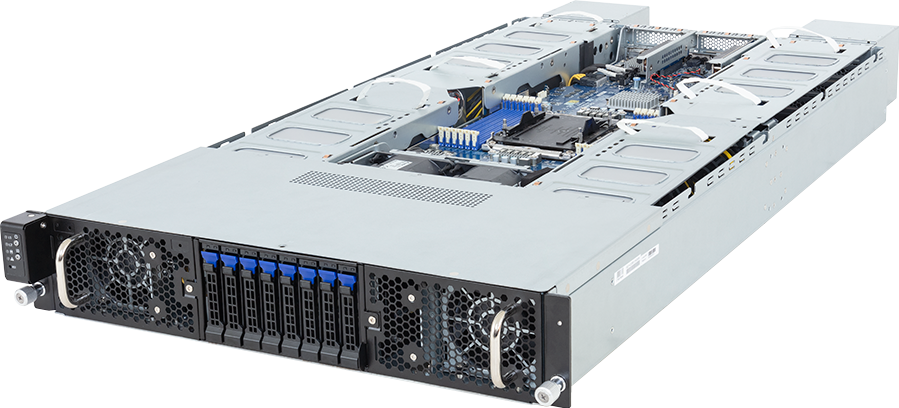
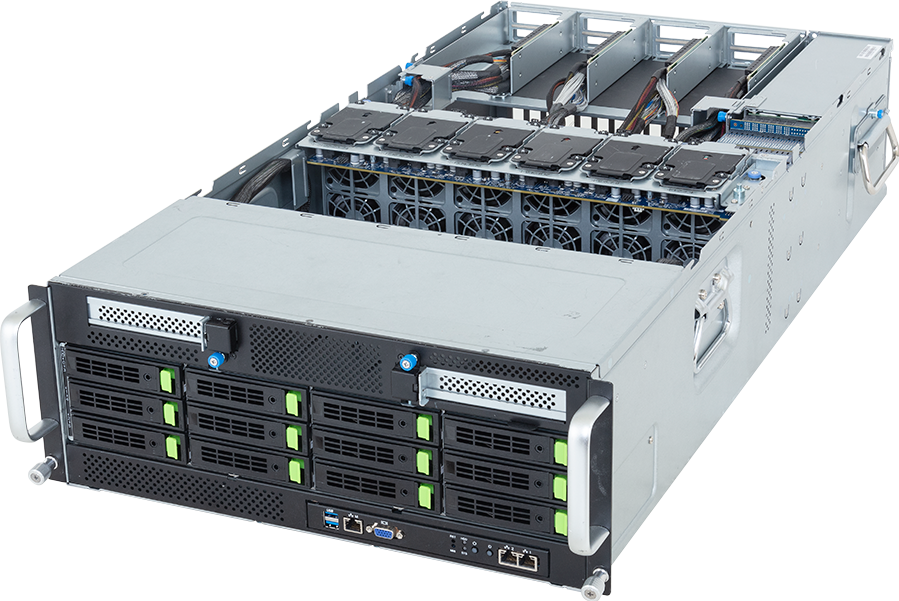
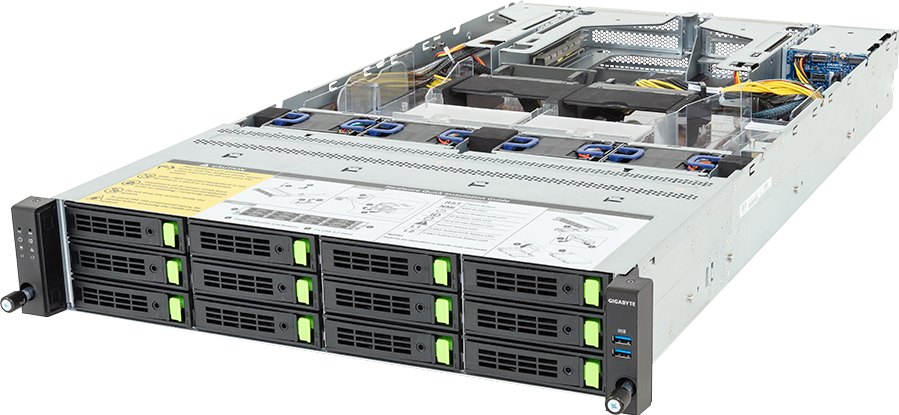
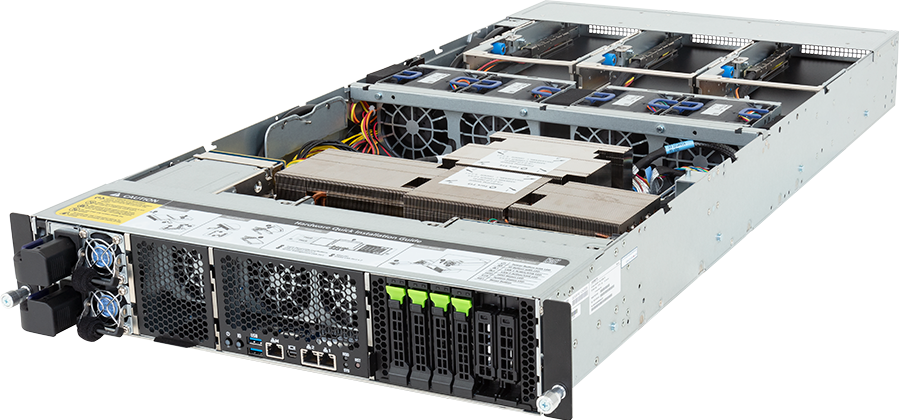
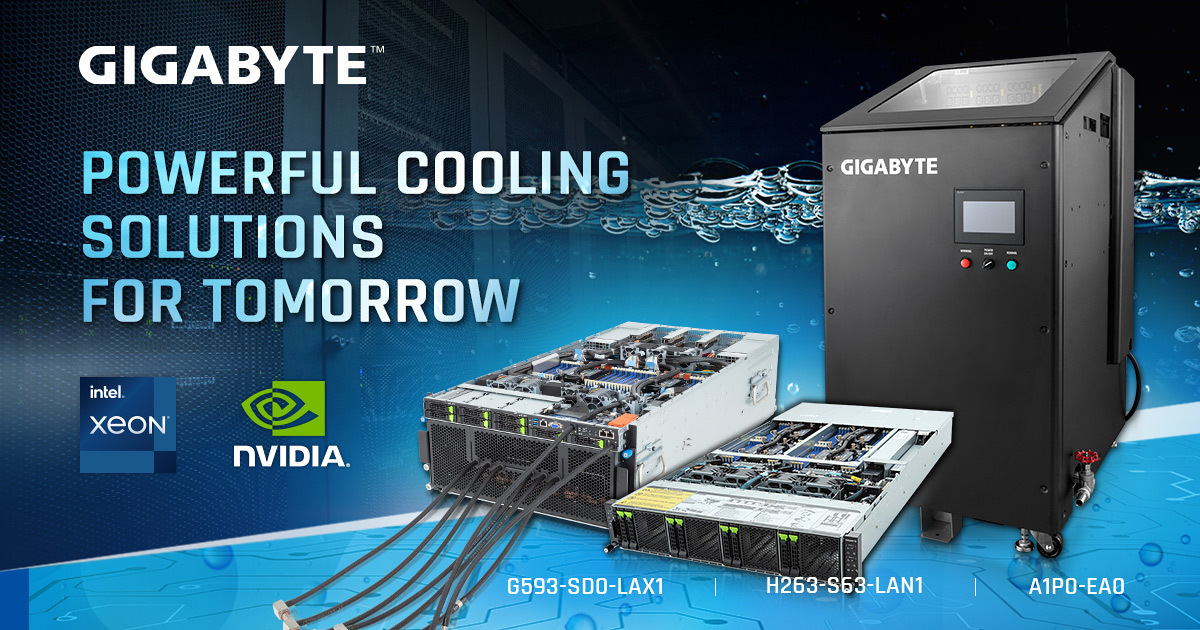
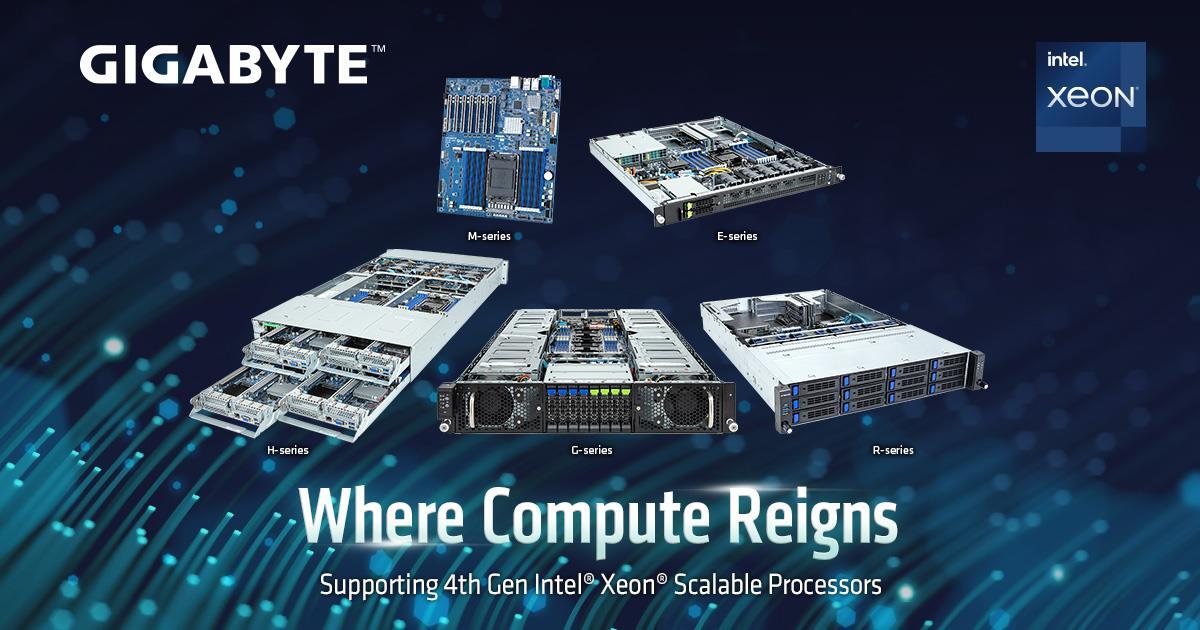
Of particular note is GIGABYTE's line of HPC Servers, which comprise H-Series High Density Servers, G-Series GPU Servers, R-Series Rack Servers, and more. These solutions provide maximum compute density in chassis ranging in size from 1U to 5U. An example of GIGABYTE's HPC solution is the H263-Series, which support NVIDIA's Grace Superchip or Grace Hopper architecture. The G593-Series integrates NVIDIA HGX H100 8-GPU, one of the most powerful computing modules in the world, to create an advanced AI training platform. The general-purpose R263-Series is powered by the latest AMD EPYC™ 9004 or 4th Gen Intel® Xeon® CPUs and can be employed for a wide variety of tasks.
Of particular note is GIGABYTE's line of HPC Servers, which comprise H-Series High Density Servers, G-Series GPU Servers, R-Series Rack Servers, and more. These solutions provide maximum compute density in chassis ranging in size from 1U to 5U. An example of GIGABYTE's HPC solution is the H263-Series, which support NVIDIA's Grace Superchip or Grace Hopper architecture. The G593-Series integrates NVIDIA HGX H100 8-GPU, one of the most powerful computing modules in the world, to create an advanced AI training platform. The general-purpose R263-Series is powered by the latest AMD EPYC™ 9004 or 4th Gen Intel® Xeon® CPUs and can be employed for a wide variety of tasks.