Edge Data Center
What is an edge data center?
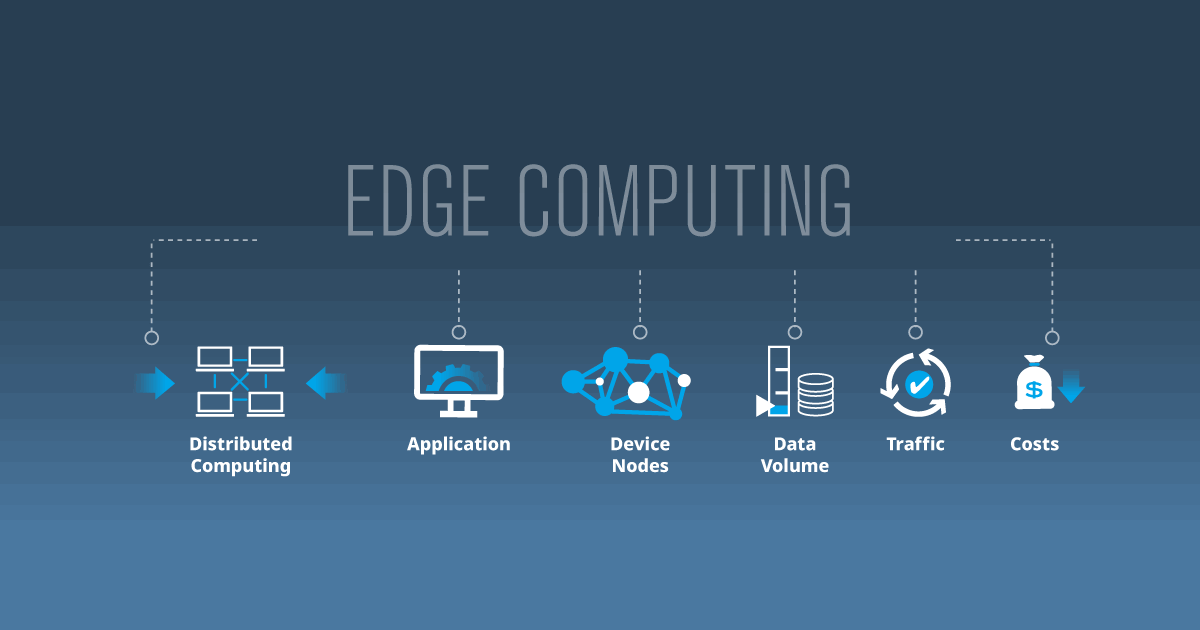
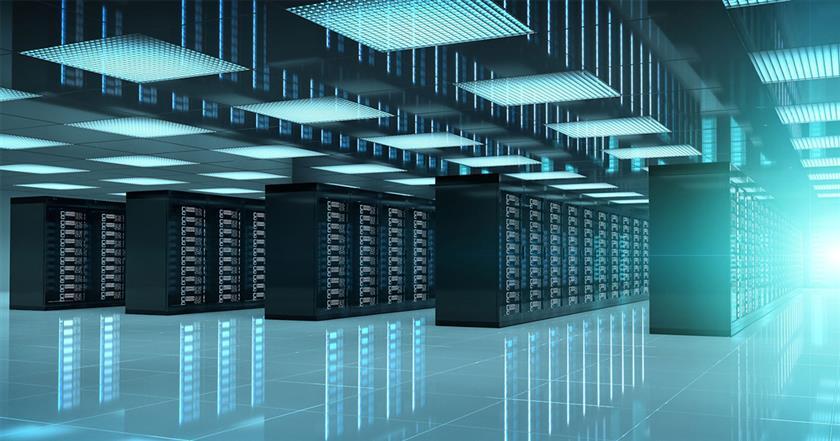
An edge data center is a small, distributed data processing facility strategically deployed closer to data sources. These facilities are often located at telecom nodes near small cell towers or within physical sites such as factories, retail stores, and office buildings.
By processing data near end devices, edge data centers significantly reduce transmission latency, enhance computing performance, and lower the total cost of operation. Applications like the Internet of Things (IoT), AI inference, autonomous driving, smart factories, and smart cities all rely on edge data centers. These centers extend the capabilities of large-scale data centers by caching frequently accessed content and performing real-time computations at the edge, optimizing system efficiency and user experience.
In contrast, centralized data centers are typically built in remote locations or large campuses, housing massive server and storage infrastructure to deliver powerful computing capabilities. While this method benefits from economies of scale, higher security, and better data management, it may not be ideal for real-time applications that require ultra-low latency.
By processing data near end devices, edge data centers significantly reduce transmission latency, enhance computing performance, and lower the total cost of operation. Applications like the Internet of Things (IoT), AI inference, autonomous driving, smart factories, and smart cities all rely on edge data centers. These centers extend the capabilities of large-scale data centers by caching frequently accessed content and performing real-time computations at the edge, optimizing system efficiency and user experience.
In contrast, centralized data centers are typically built in remote locations or large campuses, housing massive server and storage infrastructure to deliver powerful computing capabilities. While this method benefits from economies of scale, higher security, and better data management, it may not be ideal for real-time applications that require ultra-low latency.
Why are edge data centers needed?
According to Gartner, the edge computing market is projected to grow from $131 billion in 2023 to $511 billion by 2033 across five key industries, including manufacturing, communications and media, healthcare, retail, and government.
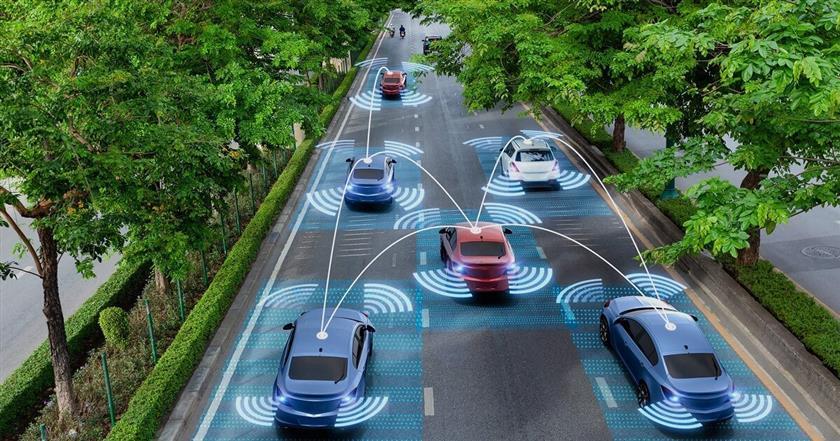
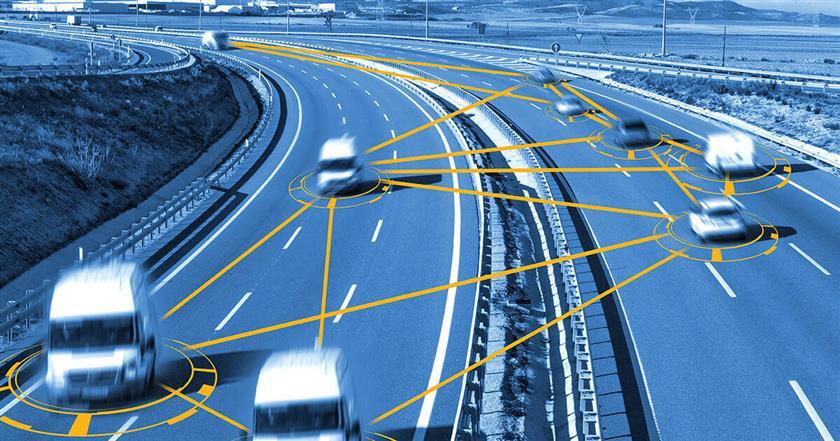
For example, in an Internet-of-Vehicle scenario, edge data centers enable real-time processing and distribution of live traffic updates, hazard alerts, and high-precision mapping data. This enhances the vehicles’ environmental awareness and improves driving safety. Similarly, in a smart factory scenario, edge data centers analyze sensor data from multiple production lines, allowing personnel to monitor product quality in real time. They also support AI inference to detect potential equipment failures early, issuing alerts to prevent production disruptions.
Edge data centers also help businesses optimize bandwidth and reduce costs. By processing data locally, they minimize the need to transfer large volumes of data to central servers, reducing network congestion and operational expenses. As real-time applications continue to expand, edge data centers play a crucial role in improving system stability, scalability, and computing efficiency.
For example, in an Internet-of-Vehicle scenario, edge data centers enable real-time processing and distribution of live traffic updates, hazard alerts, and high-precision mapping data. This enhances the vehicles’ environmental awareness and improves driving safety. Similarly, in a smart factory scenario, edge data centers analyze sensor data from multiple production lines, allowing personnel to monitor product quality in real time. They also support AI inference to detect potential equipment failures early, issuing alerts to prevent production disruptions.
Edge data centers also help businesses optimize bandwidth and reduce costs. By processing data locally, they minimize the need to transfer large volumes of data to central servers, reducing network congestion and operational expenses. As real-time applications continue to expand, edge data centers play a crucial role in improving system stability, scalability, and computing efficiency.
How is GIGABYTE helpful?
To handle massive data in real time, edge data centers require seamless integration of computing power, networking, storage, and cooling solutions.
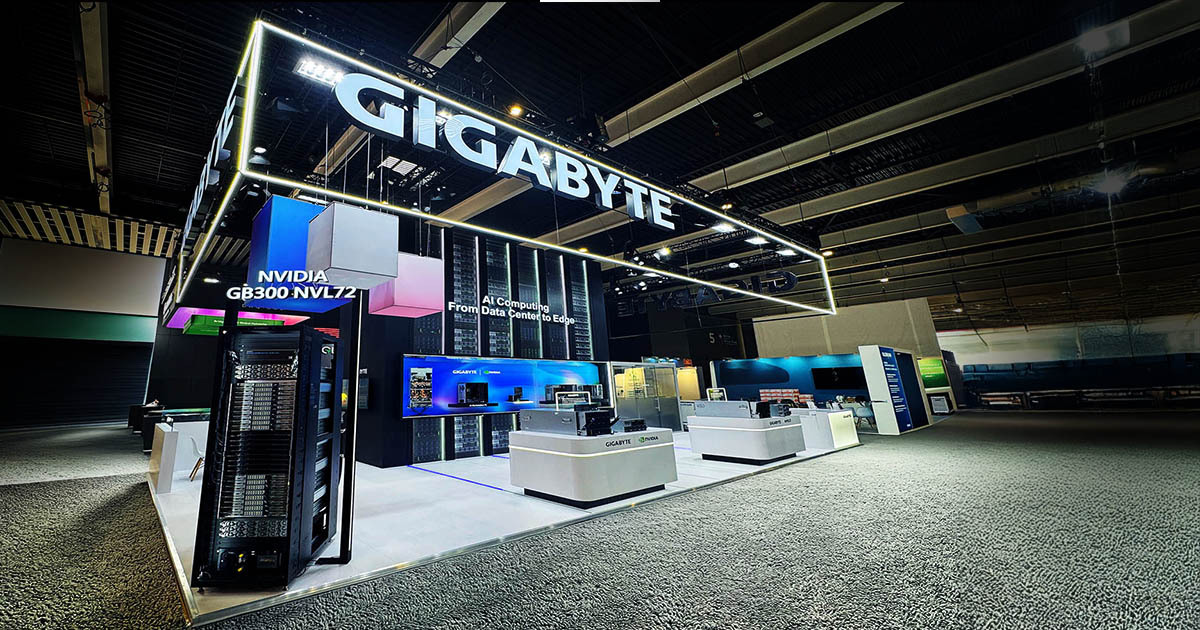
GIGABYTE has extensive experience in development and deployment, including a collaboration with Japan telecom giant KDDI Corporation. By providing high-performance servers and advanced cooling solutions, GIGABYTE helped develop edge data centers that pack powerful computing resources into compact containers. These units are portable, easy to install, and can be rapidly deployed to meet urgent demands such as large-scale events or emergency disaster response.
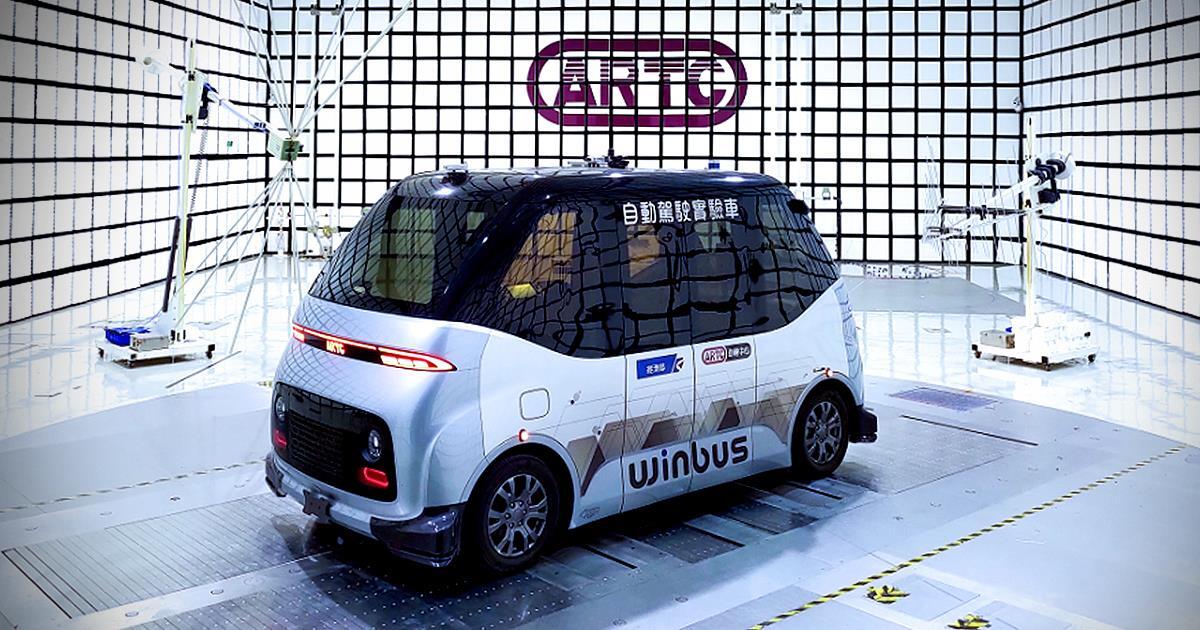
GIGABYTE’s E-Series servers maintain powerful computing capabilities while reducing chassis size. They support the latest x86-based AMD EPYC™ or Intel® Xeon® processors, as well as RISC-based ARM processors. These edge servers enhance AI inference performance, bringing artificial intelligence to the edge and enabling smarter, more efficient operations in applications like connected vehicles and smart factories. Additionally, GIGABYTE offers e-Mobility systems for autonomous driving and industrial embedded computers, addressing a wide range of edge computing needs.
Reference:
1. Gartner, Emerging Technologies: Revenue Opportunity Projection for Edge Computing
GIGABYTE has extensive experience in development and deployment, including a collaboration with Japan telecom giant KDDI Corporation. By providing high-performance servers and advanced cooling solutions, GIGABYTE helped develop edge data centers that pack powerful computing resources into compact containers. These units are portable, easy to install, and can be rapidly deployed to meet urgent demands such as large-scale events or emergency disaster response.
GIGABYTE’s E-Series servers maintain powerful computing capabilities while reducing chassis size. They support the latest x86-based AMD EPYC™ or Intel® Xeon® processors, as well as RISC-based ARM processors. These edge servers enhance AI inference performance, bringing artificial intelligence to the edge and enabling smarter, more efficient operations in applications like connected vehicles and smart factories. Additionally, GIGABYTE offers e-Mobility systems for autonomous driving and industrial embedded computers, addressing a wide range of edge computing needs.
Reference:
1. Gartner, Emerging Technologies: Revenue Opportunity Projection for Edge Computing