Computer Science
What is it?
Computer science is a study that is concerned with the most basic question about computers: namely, how can humans make computers do what we want them to do?
This is different from computer programming, because programming is just one way to achieve this goal. Computer science encompasses everything from how information is prepared for the computer (covering the fields of information science, data science, and data structure); to how the computer receives the information (including methods such as computer vision, machine learning, and natural language processing); and then finally, to what the computer does with the information (covering the fields of algorithms, artificial intelligence, datamining, and more). Hardware and software innovations that can make the entire process more efficient (such as distributed computing, high performance computing, and parallel computing) or more secure (such as cybersecurity and cryptography) also fall under the purview of computer science.
In essence, computer science is less about how to build a better computer, but more about how the entire discipline—from the theoretical to the practical aspects—can be advanced so that computers can do more for us.
This is different from computer programming, because programming is just one way to achieve this goal. Computer science encompasses everything from how information is prepared for the computer (covering the fields of information science, data science, and data structure); to how the computer receives the information (including methods such as computer vision, machine learning, and natural language processing); and then finally, to what the computer does with the information (covering the fields of algorithms, artificial intelligence, datamining, and more). Hardware and software innovations that can make the entire process more efficient (such as distributed computing, high performance computing, and parallel computing) or more secure (such as cybersecurity and cryptography) also fall under the purview of computer science.
In essence, computer science is less about how to build a better computer, but more about how the entire discipline—from the theoretical to the practical aspects—can be advanced so that computers can do more for us.
Why do you need it?
Computer science is important because it is about more than making a better computer. It is about changing what a computer is. We must remember that at its core, a computer is a calculator. The abacus was an early form of the computer. Thanks to computer science, modern computers can do much more than math.
In the 21st century, these are the future trends in computer science that will contribute to the computer’s ongoing evolution:
Artificial Intelligence - It should come as no surprise that AI tops the list of exciting new trends in computer science. Thanks to breakthroughs in machine learning, deep learning, and MLOps, it is now possible to build a computer that can perceive and react to the world—like humans do.
Automation & Robotics - This field is closely tied to AI, and it involves more than just robots. Autonomous vehicles have already hit the road around the world. AGVs and AMRs are a valuable part of the workforce in smart factories. A computer is at the core of every self-driving car and robot.
Big Data - Big data is an evolving concept that reshapes the way we generate and process digital data. As more and more devices are connected to the web through the Internet of Things (IoT), computers will have more data to work with and glean value from.
Bioinformatics - Bioinformatics is one notable way of putting big data to good use. It takes all the biological data collected by healthcare and medical professionals to make advances in smart, precise, and preventative medicine.
Edge Computing - Edge computing is a natural result of computer science advancing into the realms of cloud computing and IoT. As more and more computing is needed at locations that are far from data centers, edge computing brings high-end processing power to the edge of the network.
Extended Reality - This is something no one could have imagined when a computer was just for doing arithmetic—a reality that exists entirely on servers. Whether it is the metaverse, virtual reality, augmented reality, or mixed reality—these are all the products of computer science.
Quantum Computing - Quantum computing is proof that computer science is an interdisciplinary affair. By making use of quantum mechanics to perform calculations, quantum computers may revolutionize our understanding of what a computer is.
In the 21st century, these are the future trends in computer science that will contribute to the computer’s ongoing evolution:
Artificial Intelligence - It should come as no surprise that AI tops the list of exciting new trends in computer science. Thanks to breakthroughs in machine learning, deep learning, and MLOps, it is now possible to build a computer that can perceive and react to the world—like humans do.
Automation & Robotics - This field is closely tied to AI, and it involves more than just robots. Autonomous vehicles have already hit the road around the world. AGVs and AMRs are a valuable part of the workforce in smart factories. A computer is at the core of every self-driving car and robot.
Big Data - Big data is an evolving concept that reshapes the way we generate and process digital data. As more and more devices are connected to the web through the Internet of Things (IoT), computers will have more data to work with and glean value from.
Bioinformatics - Bioinformatics is one notable way of putting big data to good use. It takes all the biological data collected by healthcare and medical professionals to make advances in smart, precise, and preventative medicine.
Edge Computing - Edge computing is a natural result of computer science advancing into the realms of cloud computing and IoT. As more and more computing is needed at locations that are far from data centers, edge computing brings high-end processing power to the edge of the network.
Extended Reality - This is something no one could have imagined when a computer was just for doing arithmetic—a reality that exists entirely on servers. Whether it is the metaverse, virtual reality, augmented reality, or mixed reality—these are all the products of computer science.
Quantum Computing - Quantum computing is proof that computer science is an interdisciplinary affair. By making use of quantum mechanics to perform calculations, quantum computers may revolutionize our understanding of what a computer is.
How is GIGABYTE helpful?
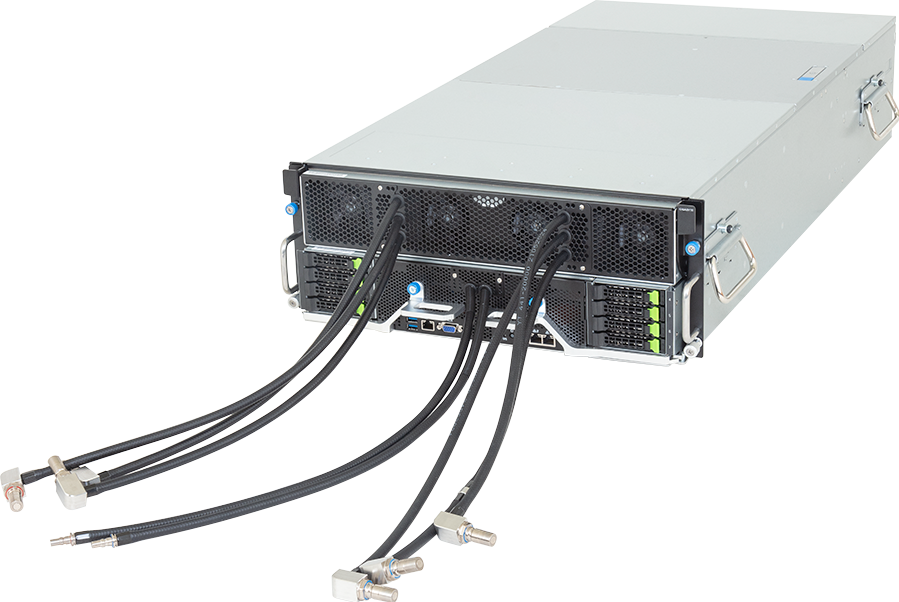
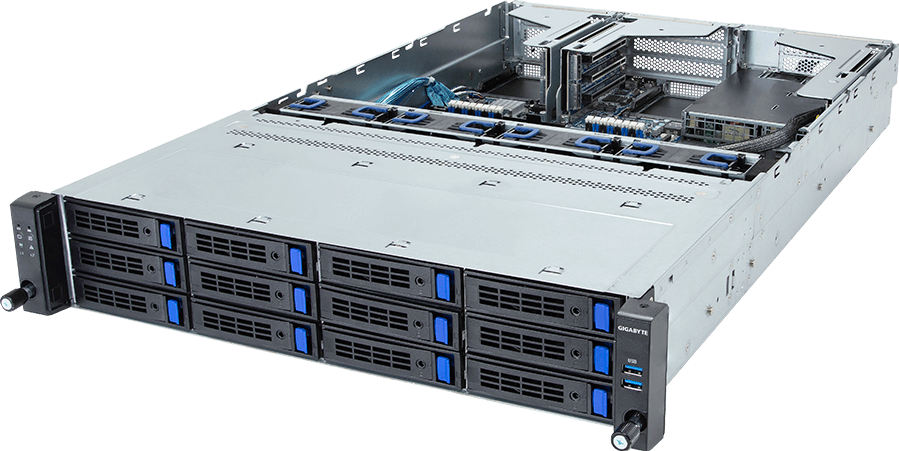
Not only are servers a creation of computer science, they can also be used to advance computer science. Here are some examples of how GIGABYTE Technology's server solutions support the latest trends in computer science:
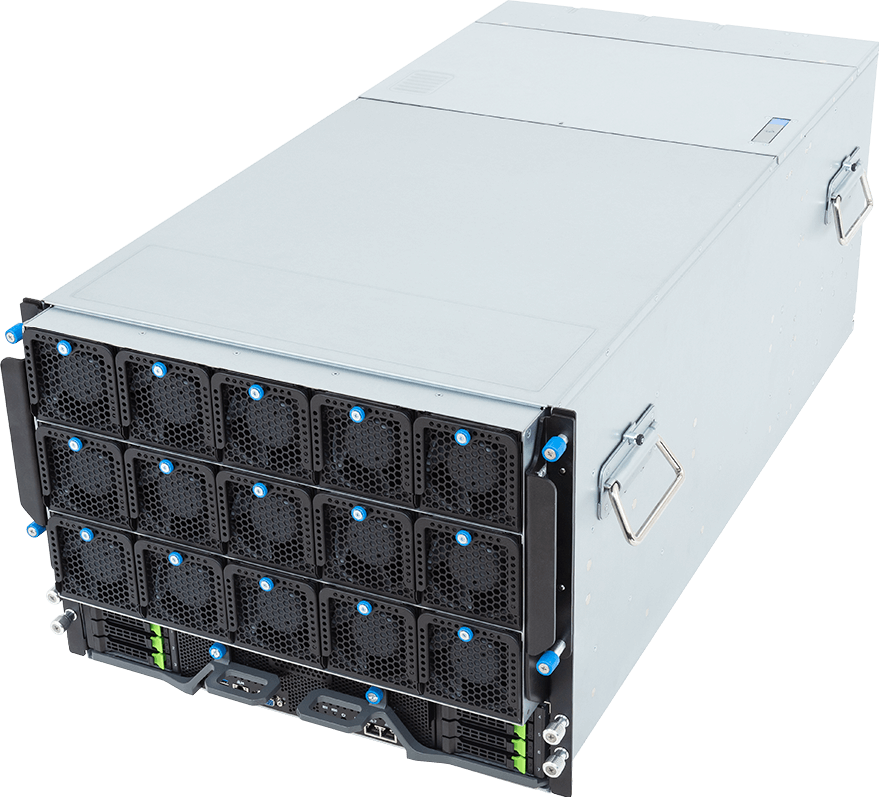
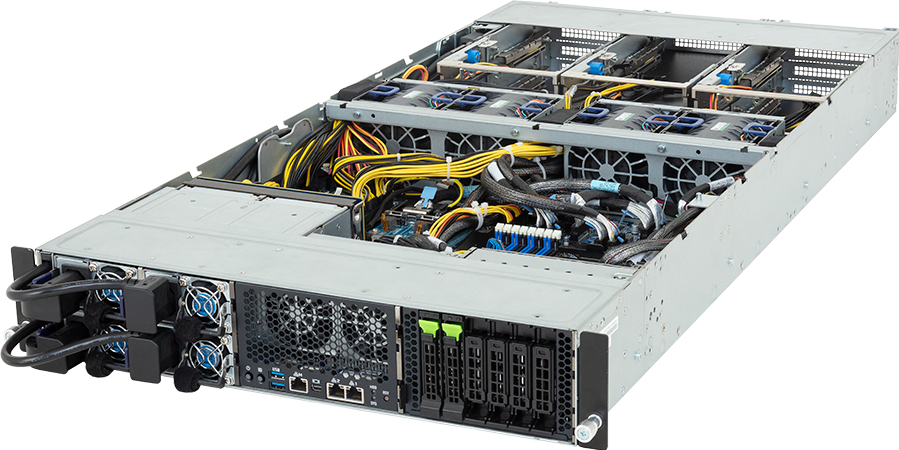
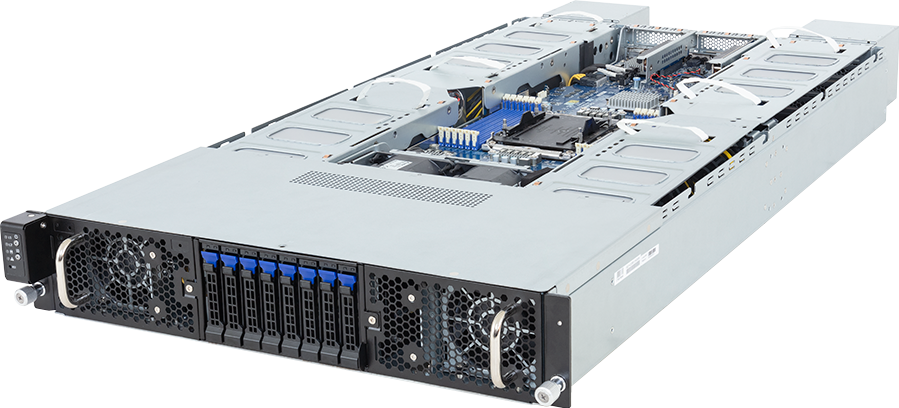
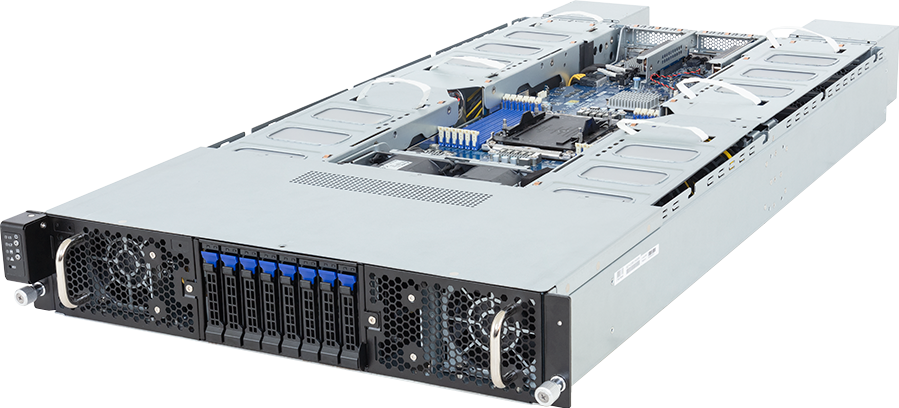
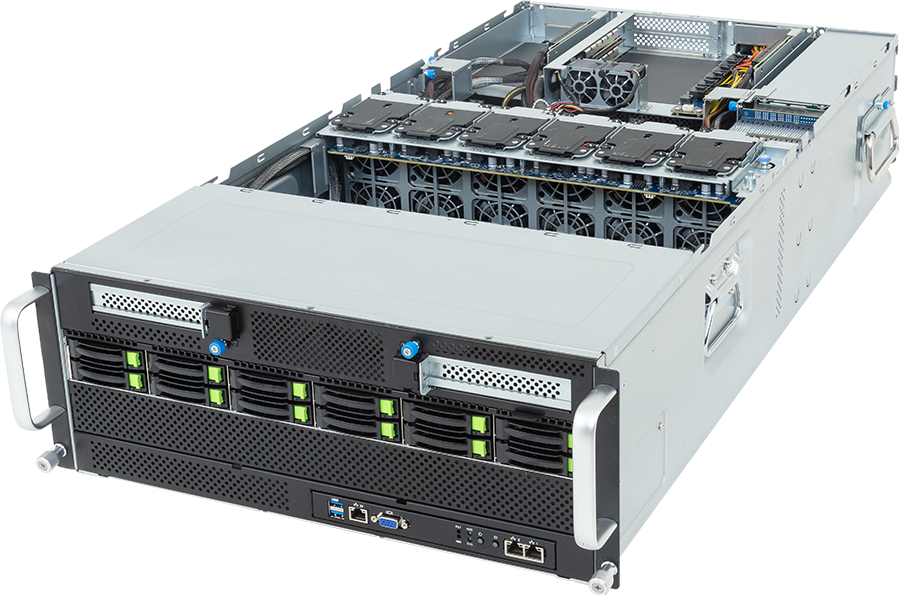
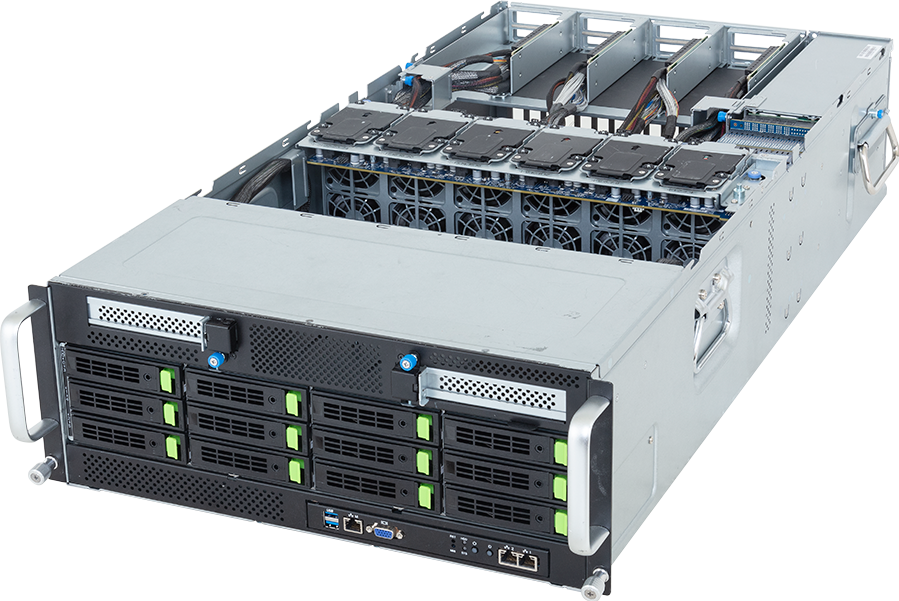
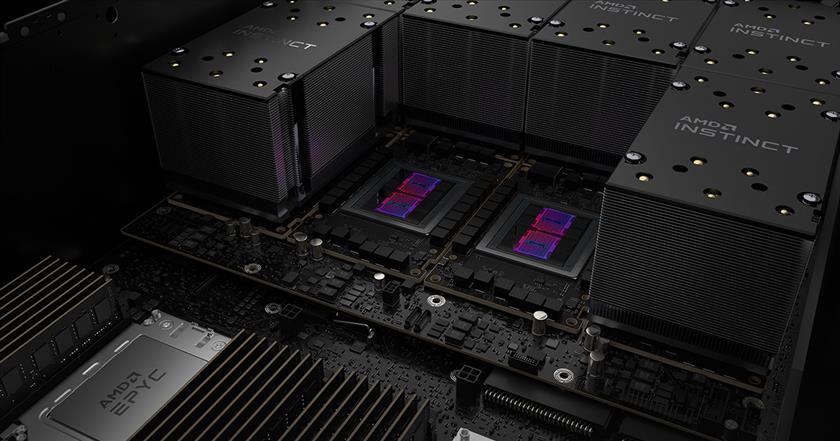
Artificial Intelligence - GIGABYTE's High Density Servers, GPU Servers, and Rack Servers run on advanced processors and accelerators through a process known as heterogeneous computing. This unleashes incredible computing power that can be used to develop and deploy AI. Case studies include Taiwan's Cheng Kung University, Spain's Institute for Cross-Disciplinary Physics and Complex Systems, and a North American logistics giant. GIGABYTE also works with its investee company MyelinTek to develop a comprehensive platform for AI development and MLOps.
Automation & Robotics - GIGABYTE solutions have been used by Israeli and Taiwanese developers to create self-driving cars and intelligent transportation systems. In terms of AGVs and AMRs, GIGABYTE offers smart manufacturing and Industry 4.0 solutions in the form of embedded motherboards and IPCs.
Big Data - Besides the aforementioned computing servers, GIGABYTE also offers Storage Servers for storing data. You may check out our "Tech Guide" to learn more about how you may benefit from big data.
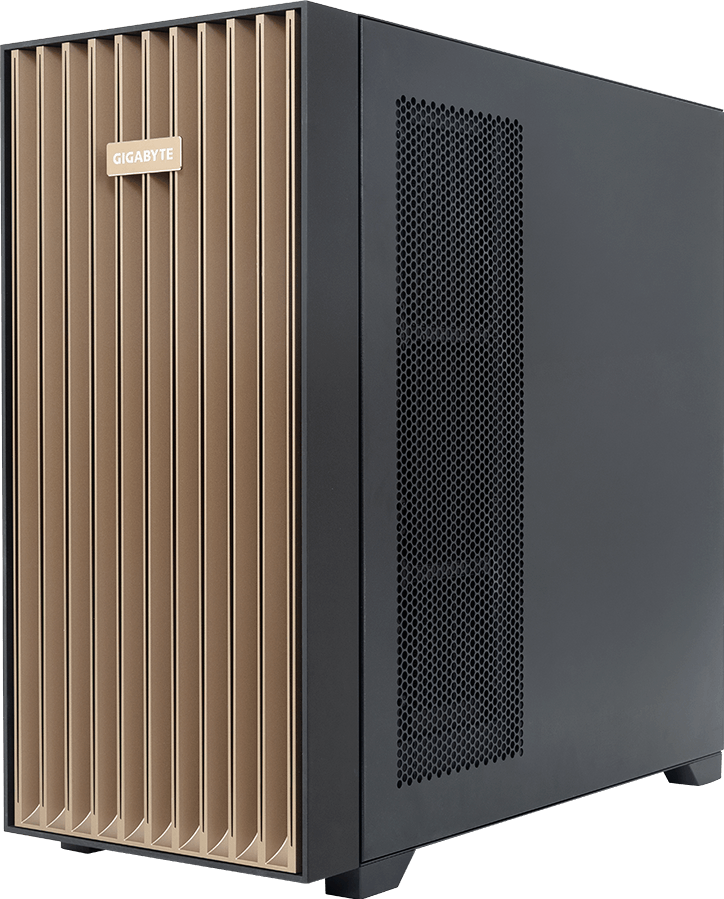
Bioinformatics - Not only are GIGABYTE's server solutions used by hospitals in their micro data centers, Workstation/Tower Server products can be installed in clinics to provide real-time inferencing. Healthcare professionals use GIGABYTE and MyelinTek's AI development platform to manage different AI models and invent groundbreaking medical services. Preventative medicine relies on big data, which GIGABYTE servers are ideal for.
Edge Computing - GIGABYTE has a line of Edge Servers that bring advanced processing power to the edge of the network. Customers who employ GIGABYTE's edge computing solutions include Taiwan's Industrial Technology Research Institute (ITRI), the Taipei Music Center, and the New Taipei Police.
Extended Reality - Extended reality is made more realistic with GIGABYTE’s server solutions. One noteworthy case study is the Silicon Valley-based ArchiFiction, which developed naked-eye 3D VR using GIGABYTE's Workstation/Tower Server.
Quantum Computing - This is the next breakthrough in computer science that has not been deployed on GIGABYTE servers—yet. But GIGABYTE servers are used by the European Organization for Nuclear Research (CERN), famous for its Large Hadron Collider (LHC), to delve further into quantum physics. Who knows what discoveries may reshape the future of computer science!
Artificial Intelligence - GIGABYTE's High Density Servers, GPU Servers, and Rack Servers run on advanced processors and accelerators through a process known as heterogeneous computing. This unleashes incredible computing power that can be used to develop and deploy AI. Case studies include Taiwan's Cheng Kung University, Spain's Institute for Cross-Disciplinary Physics and Complex Systems, and a North American logistics giant. GIGABYTE also works with its investee company MyelinTek to develop a comprehensive platform for AI development and MLOps.
Automation & Robotics - GIGABYTE solutions have been used by Israeli and Taiwanese developers to create self-driving cars and intelligent transportation systems. In terms of AGVs and AMRs, GIGABYTE offers smart manufacturing and Industry 4.0 solutions in the form of embedded motherboards and IPCs.
Big Data - Besides the aforementioned computing servers, GIGABYTE also offers Storage Servers for storing data. You may check out our "Tech Guide" to learn more about how you may benefit from big data.
Bioinformatics - Not only are GIGABYTE's server solutions used by hospitals in their micro data centers, Workstation/Tower Server products can be installed in clinics to provide real-time inferencing. Healthcare professionals use GIGABYTE and MyelinTek's AI development platform to manage different AI models and invent groundbreaking medical services. Preventative medicine relies on big data, which GIGABYTE servers are ideal for.
Edge Computing - GIGABYTE has a line of Edge Servers that bring advanced processing power to the edge of the network. Customers who employ GIGABYTE's edge computing solutions include Taiwan's Industrial Technology Research Institute (ITRI), the Taipei Music Center, and the New Taipei Police.
Extended Reality - Extended reality is made more realistic with GIGABYTE’s server solutions. One noteworthy case study is the Silicon Valley-based ArchiFiction, which developed naked-eye 3D VR using GIGABYTE's Workstation/Tower Server.
Quantum Computing - This is the next breakthrough in computer science that has not been deployed on GIGABYTE servers—yet. But GIGABYTE servers are used by the European Organization for Nuclear Research (CERN), famous for its Large Hadron Collider (LHC), to delve further into quantum physics. Who knows what discoveries may reshape the future of computer science!